
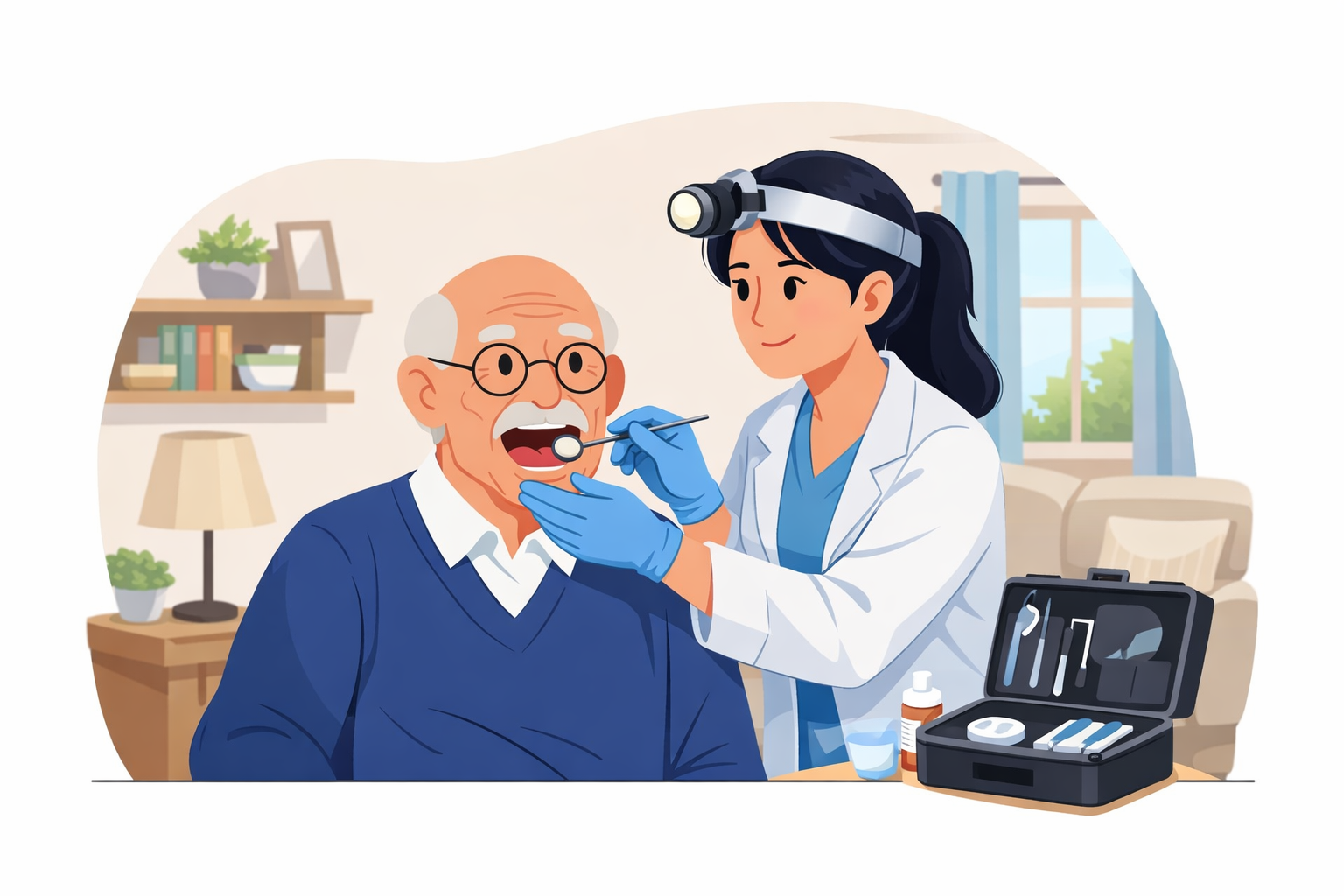
Dementia and tooth pain can be a tough combination for families and care teams. A person may not be able to explain what hurts. They may point to the wrong place. They may suddenly refuse meals, dentures, or brushing without being able to say why. When dementia and tooth pain overlap, it helps to follow a calm plan that protects comfort and prevents small issues from becoming emergencies.
Dental Home Services provides mobile dental care for homebound seniors and people with disabilities, including patients living with dementia. If support is needed quickly, families can start with a clear caregiver check, document what changed, and choose next steps based on urgency.
Need to schedule a visit? Use the contact page or call 1-800-842-4663.
Dementia and Tooth Pain: Why It’s Often Missed
Dementia and tooth pain often shows up as behaviour, not words. Dementia can affect communication, timing, and tolerance. Instead of saying “my tooth hurts,” a person may communicate discomfort through changes around food, oral care, and daily routine.
Common patterns caregivers notice include:
- Chewing on one side only
- Eating less or refusing chewy foods
- Pocketing food in the cheek
- Removing dentures repeatedly
- Turning away from brushing or mouth care
- Rubbing the cheek, jaw, lips, or chin
- Restlessness that increases around meals or oral care
One of the most helpful mindset shifts is this: dementia and tooth pain is often a “pattern problem,” not a single moment. If the change repeats in the same situations, it deserves a closer look.
For broader context on oral health changes that can appear during dementia, the Dental Home Services guide on dementia and dental care supports this topic well.
Dementia and Tooth Pain: Fast Signs That Point to a Dental Cause

If dementia and tooth pain is involved, caregivers often see a cluster of small changes rather than one obvious symptom. These signs help separate “general distress” from “mouth specific discomfort.”
Meal and chewing clues:
- Switching sides while chewing
- Stopping mid chew or eating much more slowly
- Avoiding meat, crusty bread, crunchy snacks, or anything that requires pressure
- Sudden preference for only soft foods
Oral care and denture clues:
- New resistance to brushing, rinsing, or mouth swabbing
- Flinching or clenching when the mouth is approached
- Refusing dentures that previously fit well
- Removing dentures immediately after they are placed
Mouth and face clues:
- Swelling in the cheek, jawline, or gums
- Bleeding gums that are new or worsening
- Sudden bad breath that does not improve with routine care
- A sore, pimple like bump, or drainage on the gum
- Increased drooling or reluctance to swallow
If swelling is present, dementia and tooth pain should be treated as more urgent. Infection can escalate quickly, and dementia can make it harder to recognize how severe it feels.
Dementia and Tooth Pain: A Quick Table to Guide Next Steps
| What You Notice | What It Might Mean | What to Do Next |
| Chewing on one side, refusing chewy foods | Tooth sensitivity, cavity, crack, sore gum | Schedule a dental evaluation soon |
| Removing dentures repeatedly | Pressure spot, poor fit, sore gums | Pause denture use if painful and book a visit |
| Sudden refusal to brush or allow mouth care | Pain, mouth sores, inflamed gums | Try a gentler approach and check for visible irritation |
| Bad breath that appears suddenly | Infection, trapped food, gum inflammation | Check gums and contact a dental provider |
| Swelling of cheek or gums | Possible infection or abscess | Same day evaluation, urgent care if severe |
| Fever, trouble swallowing, rapid decline | Serious infection risk | Seek emergency medical care immediately |
This table is not a diagnosis tool. It’s a decision tool for dementia and tooth pain so caregivers feel less stuck in “wait and see.”
Dementia and Tooth Pain: A Calm At Home Check

Part 1) 5 Minute Caregiver Check
Caregivers do not need to diagnose anything. This check is simply a calm way to decide what happens next.
- Look at the face
- Compare both sides for swelling or asymmetry
- Note redness, warmth, or tenderness near the jawline
- Check lips and front gums
- If tolerated, lift the lip gently
- Look for bleeding, raw areas, swelling, sores, or drainage
- Observe chewing
- Offer a soft food
- Watch whether chewing stops suddenly or shifts to one side
- Track brushing tolerance
- A sudden change is meaningful
- New refusal often signals discomfort rather than “stubbornness”
If brushing refusal is part of the pattern, this guide on dementia patients that won’t brush teeth is a useful companion.
If brushing is still possible but difficult, caregivers can reference this calmer approach: how to brush a dementia patient’s teeth.
If brushing is not possible, a simplified routine still helps reduce irritation and buildup: how to clean teeth of dementia patient.
Part 2) What to Write Down Before Calling
Tracking details helps a dental team triage dementia and tooth pain faster and more accurately.
Write down:
- When the change started
- What meals became harder and what foods are avoided
- Any swelling, bleeding, or drainage
- Whether dentures are being refused or removed
- Whether brushing tolerance changed suddenly
- Whether clenching or grinding is suspected
- Any recent dental work or extractions
A short list like this often saves time and reduces back and forth when scheduling care.
Dementia and Tooth Pain: Common Causes in Homebound Seniors

Tooth pain in dementia patients often comes from typical dental issues, but symptoms can look different when communication and routines are affected.
Tooth Decay or a Broken Tooth
Tooth pain in dementia patients can come from decay that worsens quietly or a tooth that cracks without an obvious visible break. Caregivers often notice chewing changes first.
Common clues include:
- Chewing on one side
- Avoiding crunchy foods or meat
- Wincing during meals
- Sudden refusal of foods that require pressure
Gum Infection or Abscess
Gum infections and abscesses are a frequent cause of dementia and tooth pain, especially when routine brushing is difficult. These can escalate quickly.
Common clues include:
- Swollen gum area near one tooth
- Bleeding that is new or worsening
- Bad breath that appears suddenly
- A pimple-like bump on the gum
- Drainage or a foul taste
Denture Related Soreness
Denture fit can change after weight loss, dry mouth, or subtle jaw changes. If a person keeps removing dentures, it is often discomfort, not behaviour.
Common clues include:
- Pulling dentures out right after insertion
- Refusing dentures that used to be tolerated
- Red spots on the gums
- Eating less once dentures are in
Clenching and Grinding
Clenching and grinding can cause tooth sensitivity and sore jaw muscles. It can also create ear-adjacent pain that is easy to misread when communication is limited.
Common clues include:
- Morning jaw soreness
- Increased irritability around meals
- Tight jaw, clenched facial muscles
- Cheek biting or visible wear patterns on teeth
If this feels relevant, this cluster post supports next steps: dementia and teeth grinding.
If a recent extraction is part of the story, pain signals can be harder to interpret in dementia. This tooth extraction and dementia article helps caregivers plan.
Dementia and Tooth Pain: When It Becomes Urgent

Dementia and Tooth Pain Red Flags That Should Not Wait
Treat these as same day concerns:
- Facial swelling
- Fever or sudden overall decline
- Drainage from the gums
- New trouble swallowing
- Rapid worsening over 24 to 48 hours
- Unable to eat or drink enough to stay hydrated
For high authority caregiver context on why pain can be hard to interpret in dementia, Mayo Clinic Health System explains dementia related pain patterns in this resource on dementia related pain and caregivers.
Dementia and Tooth Pain: Choosing Next Steps That Fit the Situation
1) If Red Flags Are Present
If dementia and tooth pain includes swelling, fever, drainage, or sudden decline:
- Seek urgent medical guidance immediately
- Contact a dental provider as soon as possible
- Avoid forcing food, dentures, or brushing if it increases distress
2) If Symptoms Are Persistent but Not Escalating
If dementia and tooth pain seems consistent but not urgent:
- Book an evaluation rather than waiting for a crisis
- Keep routines calm and predictable until the visit
- Focus on comfort, hydration, and soft foods as needed
Dental Home Services outlines what can often be treated during a visit on the services page.
3) If Diagnosis Terms Are Creating Confusion
Families sometimes feel unsure about terminology, especially when planning care. This reference can help clarify language: dementia versus Alzheimer’s.
How Dental Home Services Helps Dementia and Tooth Pain
Dementia and tooth pain affects eating, sleep, cooperation, and daily stability. Dental Home Services focuses on mobile dental care for homebound seniors and people with disabilities. This approach reduces disruption, avoids transportation barriers, and keeps caregivers involved.
For families who want reassurance before scheduling, DHS patient feedback is available on the reviews page.
For more caregiver focused reading, DHS maintains a growing library on the blog.
Last Thoughts on Dementia and Tooth Pain
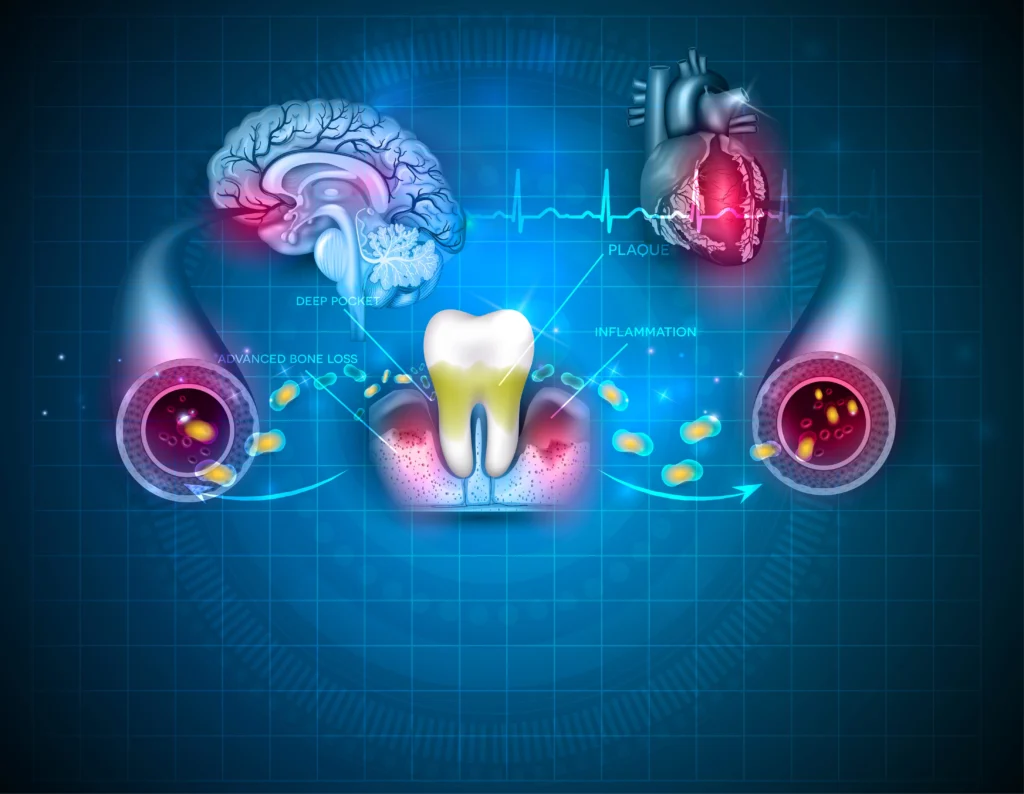
Dementia and tooth pain can show up as changes in eating, brushing tolerance, denture use, sleep, and mood. The most helpful approach is calm observation, a short check, and early action when something feels off. Mobile care makes that process simpler for families and facilities, especially when dementia makes travel difficult.
If dementia and tooth pain is suspected and an in home evaluation would help, families can start with the Dental Home Services scheduling team.
Frequently Asked Questions About Dementia and Tooth Pain
What are common signs of dementia and tooth pain?
Dementia and tooth pain often appears as patterns such as chewing on one side, refusing dentures, resisting brushing, sudden bad breath, swelling, and behaviour shifts around meals or mouth care.
How can caregivers assess dementia and tooth pain at home?
Caregivers can do a brief check by looking for facial or gum swelling, checking the front gums if tolerated, watching chewing and swallowing, and noting sudden changes in brushing tolerance.
When should dementia and tooth pain be treated as urgent?
Dementia and tooth pain should be treated as urgent when there is facial swelling, fever, drainage, difficulty swallowing, rapid worsening, or inability to eat or drink enough.
Can teeth grinding be related to dementia and tooth pain?
Yes. Grinding can create jaw soreness and tooth sensitivity. It can also make oral care feel uncomfortable.
How does Dental Home Services help with dementia and tooth pain?
Dental Home Services provides mobile dental visits for homebound seniors and people with disabilities, including patients living with dementia. This allows evaluation and treatment without transportation barriers.
Disclaimer
This article is for general educational purposes only and is not medical or dental advice. Dementia symptoms and dental conditions can change quickly and may require urgent evaluation. If there is facial swelling, fever, difficulty swallowing, or a rapid decline in condition, seek emergency medical care immediately. For personalized guidance, please consult a licensed dentist, physician, or qualified healthcare professional.