
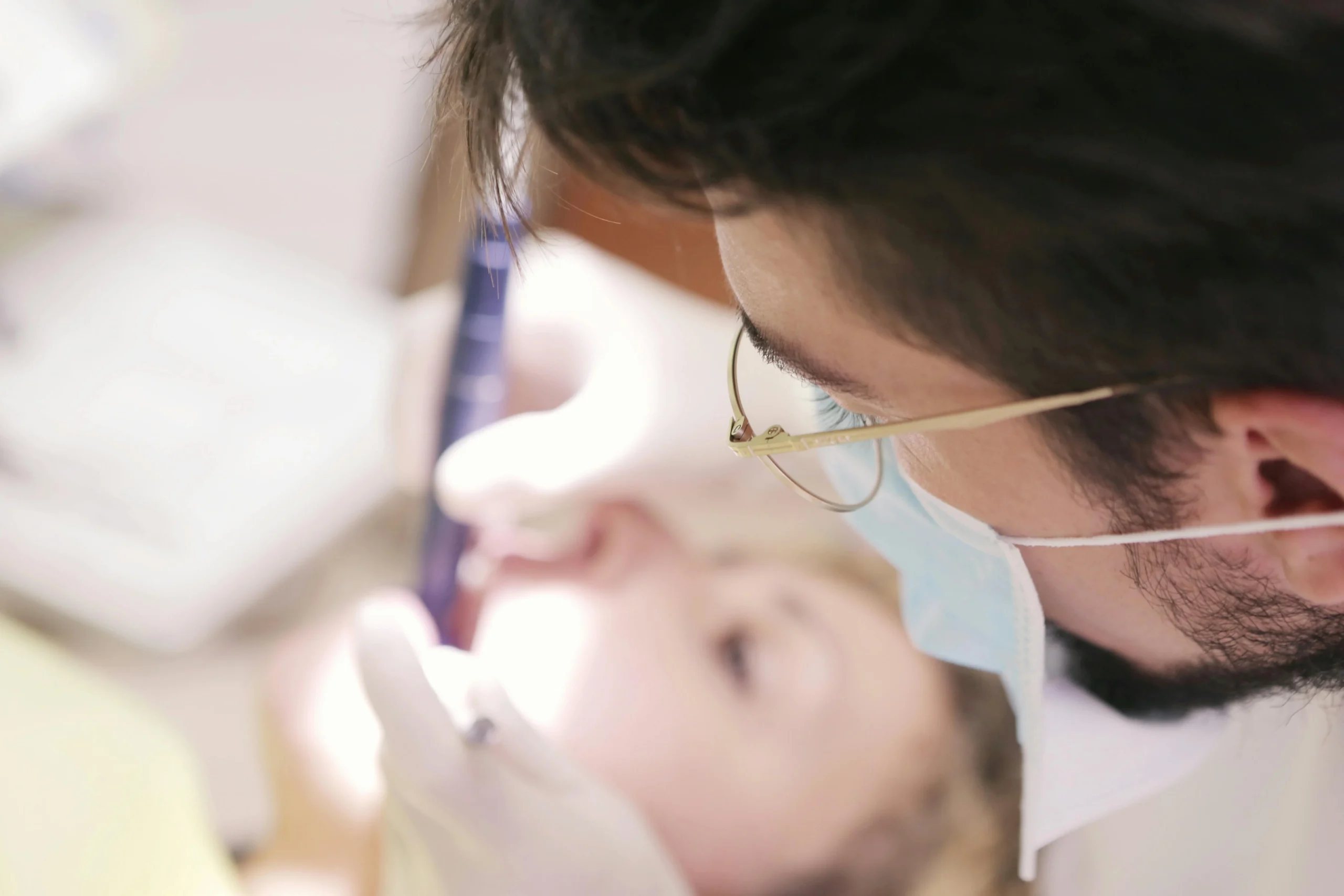
For families and caregivers of loved ones with dementia, dental concerns often become an unexpected challenge. One issue that can cause distress for both the patient and their caregivers is end stage dementia teeth grinding — also known as bruxism.
This repetitive, involuntary grinding or clenching of the teeth is common in the later stages of dementia, and while it might seem minor at first, it can lead to pain, infection, and difficulty eating if left untreated. Understanding what causes it and how to care for it can make a meaningful difference in your loved one’s comfort and quality of life.
At Dental Home Services, our goal is to set caregivers up with the support they deserve.
Understanding Teeth Grinding in End Stage Dementia
End stage dementia teeth grinding happens when the muscles in the jaw repeatedly tighten and move the teeth against each other, often without the person’s awareness. For some, it occurs while awake; for others, it’s more frequent during sleep. The result can be worn enamel, jaw soreness, and even cracked or broken teeth.
This behavior is not intentional — it’s often a physical manifestation of how dementia changes brain function and muscle control. Many families notice it during moments of restlessness, stress, or pain.
Why It Happens
There are several potential causes for teeth grinding in dementia patients:
- Neurological changes: As dementia progresses, the brain can lose control over automatic muscle movements, leading to involuntary jaw clenching.
- Pain or discomfort: A person with dementia may be unable to communicate oral pain effectively, so grinding becomes an instinctive reaction.
- Medication side effects: Some prescriptions used to manage dementia-related anxiety or movement issues can cause tight jaw muscles or restlessness.
- Stress and anxiety: Even without full awareness, patients may experience emotional distress that translates into physical tension.
The Impact on Oral and Overall Health

While teeth grinding can seem harmless at first, it can quickly lead to oral health complications. Constant friction wears away enamel, the protective layer that shields teeth from decay and temperature sensitivity.
When enamel thins or breaks down, seniors can develop:
- Tooth fractures or loosened teeth
- Gum inflammation or bleeding
- Infections caused by open wounds or ulcers
- Jaw pain or temporomandibular joint (TMJ) strain
End stage dementia teeth grinding can also affect quality of life by making chewing and swallowing more difficult, increasing the risk of malnutrition or dehydration.
For more information on how to care for sensitive enamel, read our guide on ‘How to Brush A Dementia Patient’s Teeth with Ease | Our Advice’.
Emotional and Caregiver Impact
Hearing a loved one grind their teeth can be distressing, especially when they can’t express what’s wrong. Many caregivers feel helpless watching discomfort unfold. That’s where compassionate, at-home dental care can make a difference — by addressing pain, providing relief, and offering guidance to families who are already doing so much.
Managing Teeth Grinding in Elderly Patients at Home
There’s no one-size-fits-all solution for managing teeth grinding in elderly patients, especially those in advanced dementia. However, a few comfort-based strategies can reduce both frequency and impact.
Soothing and Comforting Techniques
- Massage and relaxation: Gently massaging the jaw muscles can relieve tension and reduce grinding. Soft music, dim lighting, and calm voices also help create a sense of ease.
- Check for pain: Look for signs of distress — pulling at the face, avoiding eating, or refusing dentures may indicate soreness or mouth pain.
- Routine: Keeping a consistent daily routine can help reduce anxiety-driven grinding.
Adjusting Diet and Routine
Soft, easy-to-chew foods — mashed vegetables, oatmeal, soups — reduce the pressure placed on teeth. Encourage regular hydration since dry mouth can worsen clenching. Limiting caffeine and sugar can also help.
Professional Dental Care for Dementia Patients at Home
Sometimes, teeth grinding requires professional evaluation to prevent damage or infection. For seniors who are homebound or in assisted living, Dental Home Services provides a gentle, in-home solution.
DHS specializes in dental care for dementia patients at home, bringing full dental treatment directly to the patient’s bedside. This eliminates the stress of transportation, waiting rooms, and unfamiliar environments — all of which can heighten anxiety in dementia patients.
During a visit, the DHS dental team can:
- Examine teeth for cracks or wear
- Treat infections or inflammation
- Adjust dentures that no longer fit properly
- Provide recommendations for protecting teeth from grinding
When to Call a Professional
You should contact a mobile dentist like DHS if you notice:
- Bleeding gums or swollen cheeks
- Loose or fractured teeth
- Refusal to eat or sudden irritability while chewing
- Persistent jaw movement or nighttime noises
Left untreated, these symptoms can lead to infection or severe pain — both of which significantly impact comfort in late-stage dementia.
Dental Appliances and Treatment Options

While aggressive dental treatments are not always appropriate for end-stage patients, gentle, protective options can still provide relief.
One approach involves soft, flexible mouthguards made from medical-grade materials. These can cushion the teeth, reducing wear and minimizing noise during grinding episodes. DHS can assess whether a mouthguard is safe for your loved one and handle the safe fitting and monitoring in-home, ensuring it’s comfortable and not distressing.
Supporting Caregivers Through the Process
Caring for someone with dementia is deeply emotional. When new symptoms appear — like end stage dementia teeth grinding — it’s easy to feel overwhelmed. Remember, grinding is often involuntary and not a sign of pain toward you or frustration.
You can support your loved one by:
- Keeping a small journal of when grinding happens (morning, evening, after meals).
- Noting any changes in medication or diet.
- Sharing these details with healthcare professionals and your mobile dental provider.
These small steps help your care team pinpoint causes and provide more personalized support.
Local Support Resources
In addition to professional dental care, caregivers can benefit from trusted community resources:
- Alzheimer’s Association (alz.org) – Offers local support groups and caregiving guides.
- National Institute on Aging (nia.nih.gov) – Provides health information about oral care and dementia management.
- New Jersey Alzheimer’s Resource Directory – Connects families with in-home caregiver support and local dental care partners.
Holistic Comfort Strategies for End Stage Dementia Patients
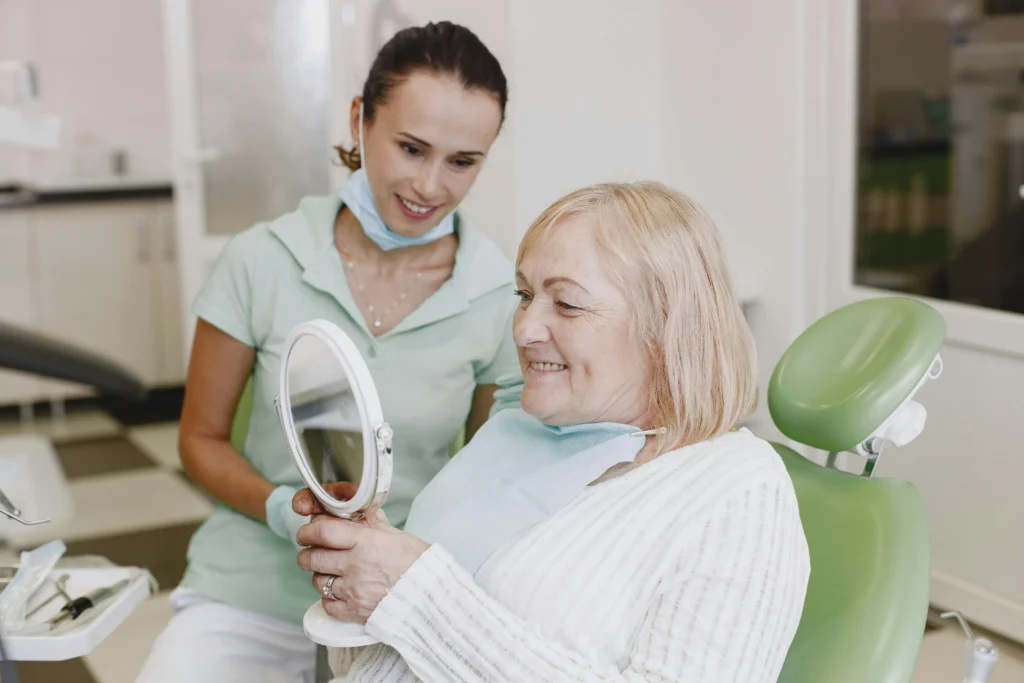
Comfort care goes beyond dental treatment. A gentle, holistic approach can ease symptoms and enhance daily well-being.
Body and Mind Relaxation
Create a calming atmosphere during care routines. Dim lights, gentle background music, and familiar voices can lower anxiety, which often reduces grinding frequency.
Monitor for Triggers
Sometimes, dementia bruxism causes pain from unrelated issues like ear infections or jaw stiffness. Regularly check with healthcare providers to rule out medical causes that might worsen grinding.
Coordinate With a Care Team
Dentists, physicians, and caregivers can work together to monitor changes over time. DHS often collaborates with family doctors and memory care teams to ensure treatment plans are comfortable, realistic, and effective for each patient’s condition.
How Dental Home Services Helps Local Families
For over 40 years, Dental Home Services has been serving seniors and individuals with disabilities throughout New Jersey and eastern Pennsylvania, providing mobile dentistry that prioritizes compassion and dignity.
The DHS team understands that end stage dementia teeth grinding can feel daunting — especially when travel isn’t an option. That’s why their portable dental technology allows them to bring complete care directly into homes, nursing facilities, and assisted living communities.
From emergency relief to long-term maintenance, DHS ensures every patient is treated with patience, empathy, and clinical excellence.
Caring for the Whole Person, Not Just the Teeth
Bruxism is one symptom in a larger picture of dementia care. The goal isn’t just to stop grinding — it’s to improve comfort, preserve oral health, and enhance quality of life.
By focusing on what truly matters — peace, safety, and care at home — families can ensure their loved ones live with dignity in every stage of life. And with DHS’s ongoing support, that care never stops at the doorstep.
Compassionate, Local Care With Dental Home Services
If your loved one is experiencing end stage dementia teeth grinding, you don’t have to face it alone. DHS offers personalized, in-home dental care designed for seniors and patients with cognitive or mobility challenges.
Their gentle approach, modern equipment, and understanding of dementia-specific needs make them the trusted choice for families throughout the region.
Contact Dental Home Services today by calling us at 1-800-842-4663 or filling out a contact form to schedule an in-home evaluation or discuss your concerns with a compassionate member of their team. Together, you can bring relief, comfort, and dignity back to your loved one’s smile.