

Supporting oral health becomes more challenging as dementia progresses, and families quickly discover that flossing teeth dementia patients can feel daunting. Seniors may resist, forget how to cooperate, or experience discomfort they cannot express. Yet flossing remains one of the most important ways to prevent infection, pain, gum disease, and tooth loss.
This guide gives caregivers the techniques, tools, and understanding they need to make flossing safer, gentler, and more effective for loved ones living with Alzheimer’s, vascular dementia, Lewy body dementia, and other cognitive conditions. If you ever feel unsure or overwhelmed, you can always reach out to the compassionate team at Dental Home Services, who provide in-home dental care throughout New Jersey and New York.
Before we begin, caregivers may also benefit from the step-by-step brushing guide for patients with dementia or similar conditions.
1. Understand Why Flossing Is Hard for Dementia Patients
Before learning flossing dementia patients techniques, caregivers should understand what makes flossing difficult. Dementia can affect:
- Spatial awareness
- Ability to follow instructions
- Oral sensitivity
- Memory and sequencing
- Problem solving
- Motor coordination
These changes make flossing feel unfamiliar or confusing. Seniors may react with frustration, fear, or withdrawal. Being patient is essential, and your gentle presence matters more than the speed of the task.
You can learn more about how dementia impacts oral health in our overview on dementia and dental care.
2. Choose the Right Tools for Flossing Teeth With Dementia Patients

Traditional string floss works well for some seniors, but alternatives often make the process easier:
- Floss picks
- Soft interdental brushes
- Water flossers
- Floss threaders for tight spaces
Floss picks are usually best for dementia flossing tips, since they require fewer steps and less dexterity. They also help avoid placing fingers inside the patient’s mouth, which some seniors find uncomfortable.
3. Create a Calm, Predictable Flossing Routine
People with dementia respond better to consistency. Use the same seat, lighting, and time of day. A calm, steady routine helps reduce anxiety and resistance—especially for moderate to late-stage dementia.
Many caregivers pair flossing with music, hand massage, or the same greeting each time to create familiarity. For additional comfort strategies, see our article on sprays for breath and oral dryness.
4. Use Hand-Under-Hand Guidance
One of the most effective techniques in dementia care is hand-under-hand support, where the caregiver’s hand gently guides the patient’s hand rather than forcing movements. This technique respects autonomy and helps seniors feel in control.
If your loved one resists touch or has sensory aversion, review our guide on when dementia patients resist brushing, which offers comfort-based communication approaches.
5. Approach From the Front, Not the Side
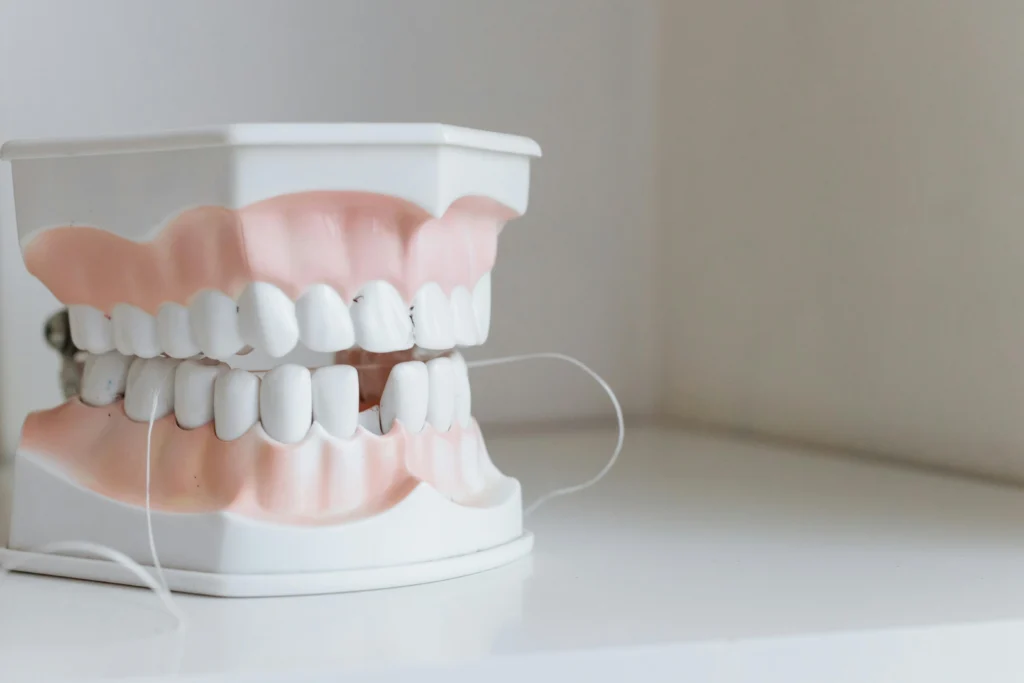
Eye contact and facial cues help reduce fear. Position yourself directly in front of your loved one, keeping your movements slow and visible. For some patients, this simple shift improves cooperation dramatically.
If broken or decayed teeth are present, flossing may cause tenderness. Our article on decayed or broken teeth explains when dental intervention is needed.
6. Start With the Easiest Spots First
Caregivers often focus on problem areas, but with dementia, starting with the easiest gaps builds trust. Floss one or two teeth, pause, and praise. Small wins help the patient stay calm.
This method avoids overwhelming seniors, especially those who have difficulty understanding sequences.
7. Use Verbal Cues That Are Simple and Predictable

Avoid long sentences or complex explanations. Instead, use clear, rhythmic phrases:
- “Open gently.”
- “Bite together softly.”
- “We are cleaning the teeth now.”
Even seniors in more advanced stages respond to tone and cadence.
8. Stop Before Stress Builds
Over-flossing during distress can damage trust and make future flossing harder. If agitation increases, pause, soothe, and try again later. Oral health is important, but the relationship is more important.
Recognizing emotional cues is part of understanding dementia care. Articles such as vascular dementia sweet tooth help caregivers build broader insight into behavioral changes.
9. Know When Flossing Is Too Painful or Risky
If flossing causes bleeding, facial grimacing, swelling, or the patient pulls away sharply, a dental evaluation may be safer than continued home care.
Dementia patients often have gum disease, tooth fractures, infections, or loose teeth. In some cases, extraction may be necessary. Learn more here:
Tooth extraction for dementia patients.
When oral pain is present, caregivers should never assume seniors are “fine.” Pain is often expressed as agitation, restlessness, or changes in eating behavior.
10. Ask for Professional Support When Needed
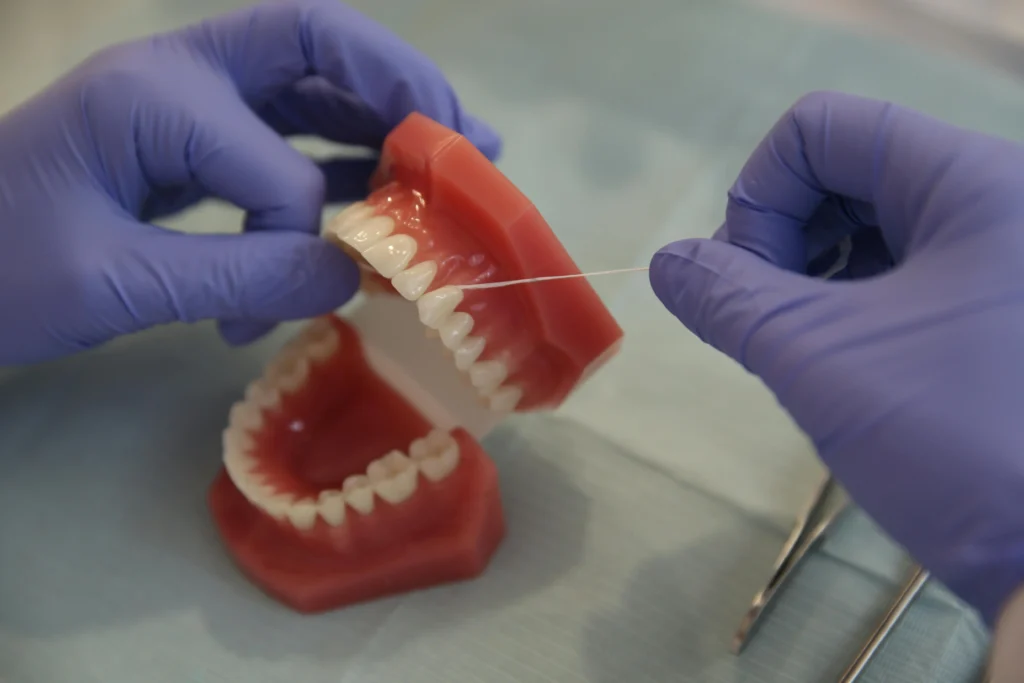
Flossing is a small task that becomes a major challenge in cognitive decline. Families should not feel guilty for struggling. If flossing has become impossible or oral disease has advanced, our mobile team can help.
Dental Home Services provides in-home cleanings, exams, extractions, denture care, and restorative treatments for seniors across NJ and NY.
We offer support when:
- A dementia patient refuses oral care
- You notice loose or shifting teeth
- Flossing causes discomfort
- Odor or infection develops
- Food packing becomes severe
- The patient has difficulty chewing
- Behavior changes may indicate pain
You can reach our team anytime through our contact page.
When to Seek Immediate Dental Help
Call a provider right away if you notice:
- Sudden swelling
- Pus or discharge
- Broken teeth
- Blood on pillows
- Unexplained crying or withdrawal
- Temperature spikes
- Refusal to eat or drink
These may signal infection, which can spread quickly in older adults. Fast evaluation is essential.
Support Resources for Dementia Caregivers
Caregivers rarely receive enough guidance, yet their role becomes more complex every year as dementia progresses. Reliable education and hands-on support can make daily oral care feel far less overwhelming.
The Alzheimer’s Association offers evidence-based tools, practical guides, and support groups for families learning to navigate care challenges. You can explore their resources at Alz.org.
For families located in New Jersey or New York, our in-home dentistry team provides compassionate dental care throughout the region. You can view the areas we serve on this service map.
Caregivers also find ongoing support through our educational articles, which cover dementia-related oral health issues, practical hygiene strategies, and guidance for recognizing symptoms early. You can explore more caregiver-focused tools on the Dental Home Services blog.
A Gentle Path Forward for Families and Caregivers Who Floss Teeth
Flossing is a small daily task, but for caregivers supporting a loved one with dementia, it often becomes an emotional and physical challenge. Each stage of dementia brings new obstacles, and no caregiver should feel alone or unprepared when oral care becomes difficult.
With patience, simple tools, and a step-by-step approach, caregivers can keep their loved one’s mouth healthier and more comfortable. When flossing becomes too stressful or painful for your loved one, or when you notice signs of infection, swelling, or tooth damage, our team is ready to help. Dental Home Services brings experienced, dementia-trained clinicians directly to homes and care communities across NJ and NY, ensuring seniors receive gentle treatment in an environment where they feel safe.
You are not expected to handle these challenges on your own. With the right techniques and support, you can protect your loved one’s oral health while preserving comfort, dignity, and peace of mind.
Frequently Asked Questions About Flossing Teeth Dementia Care
How often should caregivers floss dementia patients?
Ideally once daily, but even three to four times per week provides meaningful benefits. Some caregivers alternate flossing and interdental brushes to reduce stress.
Can dementia patients floss their own teeth?
In early stages, yes. In moderate-to-late stages, supervision or full assistance is necessary as sequencing skills decline.
What if flossing causes bleeding?
Occasional minor bleeding can occur, but consistent bleeding signals gum disease or infection. A home visit from our team may be needed.
Should I use mouthwash instead of flossing?
Mouthwash helps, but it does not replace flossing. It is best as a supplement, particularly when patients struggle with manual tasks.
What if my loved one refuses to open their mouth?
Try the techniques in our guide for dementia patients who will not brush. If refusal persists, professional support can help identify underlying causes, including pain.
Disclaimer
This article provides general information for caregivers and is not a substitute for dental or medical advice. Always consult licensed professionals for individualized care recommendations.