
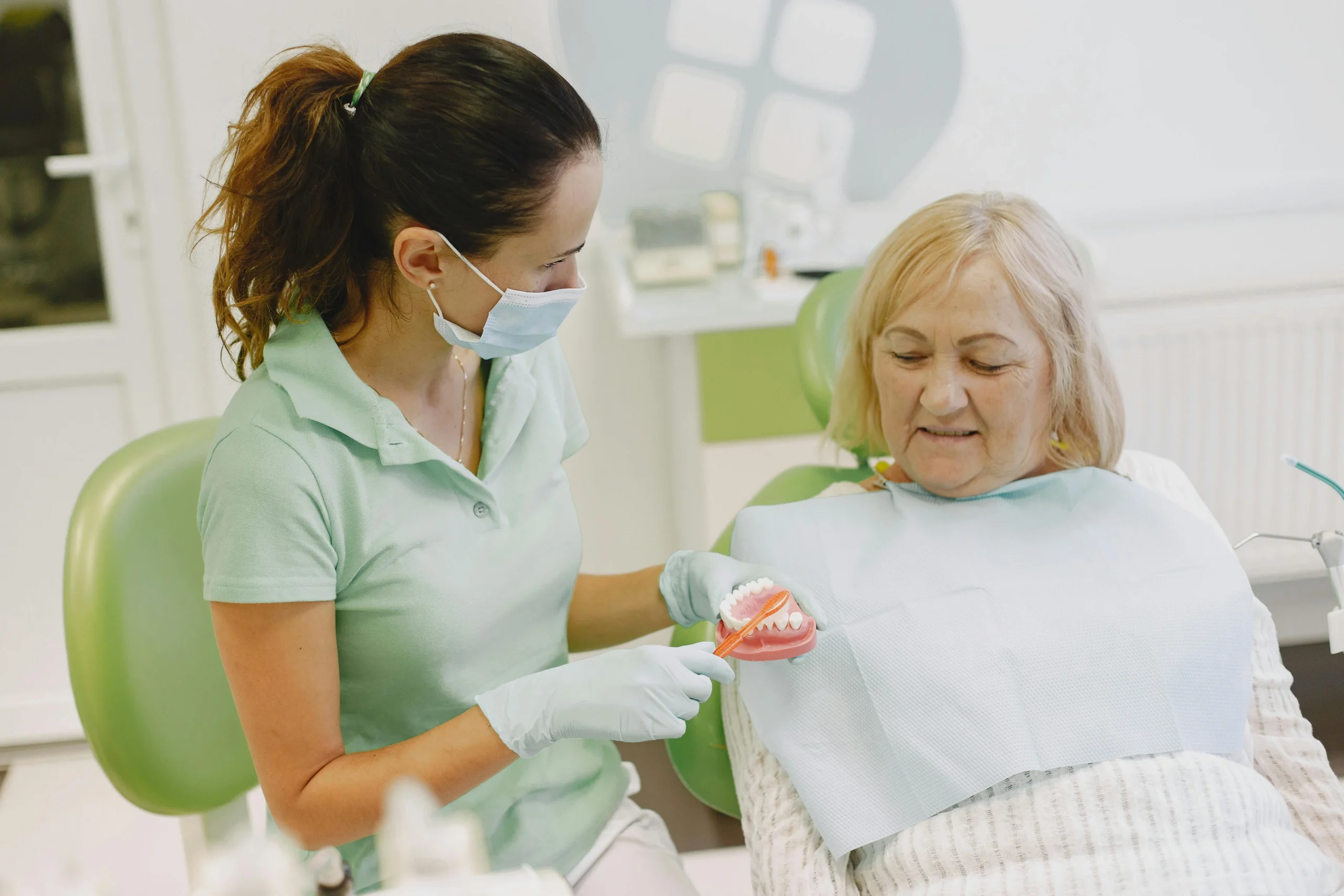
Caring for a loved one with dementia comes with daily challenges, and one that often takes caregivers by surprise is handling dentures. When a patient becomes anxious, forgetful, or physically resistant, even simple oral care can feel overwhelming. Knowing how to remove dentures from dementia patients safely and gently is key to protecting their comfort, dignity, and oral health.
At Dental Home Services, we understand how emotional and sensitive these moments can be. Our goal is to help caregivers feel confident and supported — knowing there are safe ways to provide care at home and professional help available when needed.
Understanding the Challenge
For individuals living with dementia, especially in its later stages, the mouth can become a source of confusion or distress. Dentures, which once felt natural, may suddenly seem foreign or uncomfortable. The patient might forget what dentures are or resist having them removed, even when it’s necessary.
This resistance isn’t stubbornness — it’s often rooted in fear, discomfort, or memory loss. Recognizing these behaviors as symptoms of dementia rather than defiance helps caregivers respond with patience and empathy.
Why Denture Removal Matters
Leaving dentures in too long can lead to:
- Gum irritation or infection
- Sores or swelling
- Fungal buildup
- Increased difficulty eating or speaking
Routine removal, cleaning, and rest for the gums help maintain oral health and overall comfort — but it has to be done safely and gently, especially for those who can’t communicate discomfort.
Preparing for Denture Removal
Before you begin, preparation is just as important as technique.
Set a Calm Environment
Choose a quiet, familiar place. Turn off loud sounds, dim harsh lights, and speak softly. Calm surroundings help prevent confusion or agitation. Many caregivers find success by explaining each step in a reassuring tone — even if the patient doesn’t respond verbally, the tone itself conveys safety.
Gather Supplies
You’ll need:
- Clean gloves
- A soft towel or washcloth
- A bowl of warm (not hot) water
- Denture brush and cleaning solution
- A safe surface (like a counter with a towel beneath) in case the dentures are dropped
Having everything ready ensures the process is smooth and efficient, reducing distress for your loved one.
Step-by-Step: How to Remove Dentures Safely
1. Wash Hands and Explain the Process
Even if the patient may not fully understand, talk through what you’re doing. Calmly say, “I’m going to help take out your dentures now,” using the same routine words each time. Consistency builds trust.
2. Use a Gentle Touch
Put on gloves, and with one hand supporting the jaw, use the other to gently grasp the denture. Avoid sudden movements or force — these can trigger fear or biting reflexes.
3. Removing Upper Dentures
Insert your thumb gently along the top edge near the cheek to break the suction seal. Rock the denture slightly downward and forward until it releases.
4. Removing Lower Dentures
Tilt the denture upward slightly from both sides and lift gently. Support the jaw and use slow, even pressure.
5. Rinse and Clean
Place dentures in warm water and use a denture brush with mild cleanser to remove debris. Rinse thoroughly before storing overnight in a container with clean water or denture solution.
If there are sores or redness, let the gums rest without dentures for a few hours.
These steps may sound simple, but dementia often adds unpredictability. If the patient becomes anxious or resistant, it’s better to pause and try again later. Never use force or restrain — safety and dignity come first.
Handling Common Challenges

When the Patient Refuses
Refusal is common and can be emotional for caregivers. Try redirecting attention with soothing conversation or familiar music. Wait a few minutes, then try again. Approach from the front, make eye contact, and maintain a calm expression.
If refusal continues, consult a dental professional who specializes in in-home dental care for dementia patients — they can demonstrate gentle removal techniques or make modifications to the dentures for easier care.
Related: Dementia and Dental Care: A Guide for Caregivers & Families
When Dentures Are Stuck
If dentures feel tight or stuck, don’t tug. Swish warm water around the mouth or apply a warm compress to the cheeks. If the denture still won’t move, contact a dentist — forcing removal could cause injury.
When Mouth Sores or Infections Appear
Persistent redness or sores may signal infection. This is the time to call a mobile dentist. Dental Home Services provides dental support for Alzheimer’s and dementia patients, including on-site treatment for irritation, cleaning adjustments, or denture refitting.
Maintaining Oral Hygiene for Dementia Patients
Proper oral care goes beyond denture removal — it’s part of maintaining comfort, preventing infections, and supporting nutrition.
Daily Cleaning Tips
- Brush remaining natural teeth and gums twice a day with a soft toothbrush.
- Rinse dentures after meals when possible.
- Check the mouth regularly for signs of dryness, redness, or sores.
- Keep lips moisturized to prevent cracking.
These dental hygiene tips for dementia caregivers help keep oral health manageable while minimizing stress for both patient and caregiver.
The Importance of Routine
Repetition provides comfort. Performing denture care at the same time each day helps establish familiarity, even for patients with severe memory loss.
Monitor Fit and Comfort
As the jaw and gum tissues change over time, dentures may loosen. Poorly fitted dentures can cause rubbing, sores, or lead to more frequent removal difficulties. DHS’s mobile dentists can reline or adjust dentures in-home to improve comfort.
The Role of Professional Mobile Dental Care

Sometimes, despite best efforts, caring for dentures at home becomes too difficult. That’s when it’s time to call in professionals who understand both dentistry and dementia care.
Dental Home Services offers safe denture removal for seniors who can’t leave home due to mobility issues or cognitive decline. Their portable equipment allows for complete exams, cleanings, adjustments, and repairs — all within the patient’s familiar environment.
Benefits of In-Home Care
- Reduces patient anxiety
- Prevents unnecessary travel and waiting room stress
- Allows real-time collaboration with caregivers
- Ensures continuity of care for chronic dental needs
DHS’s compassionate team provides mobile dental care for seniors across New Jersey and Pennsylvania, helping families maintain oral health without disruption to their loved one’s routine.
When to Seek Immediate Help
Certain signs mean it’s time to contact a dental professional right away:
- Dentures broken or cracked
- Severe mouth pain or bleeding
- Difficulty swallowing or speaking
- Refusal to eat for more than one meal
- Visible swelling in cheeks or gums
These symptoms could indicate infection or ill-fitting dentures — both of which require immediate attention.
Working With Healthcare Teams
Effective dementia care is collaborative. If you’re coordinating with hospice, nursing, or primary care providers, include dental updates in every report. Oral health influences nutrition, medication comfort, and overall well-being.
For more detailed caregiver guidance, trusted resources include:
- Alzheimer’s Association (alz.org) — Oral care tips and local support groups.
- National Institute on Aging (nia.nih.gov) — Practical caregiving guides for dementia-related hygiene.
- NJ Department of Human Services (nj.gov/humanservices) — Local programs supporting at-home senior care and dental access.
By connecting to local and national organizations, caregivers can find reassurance, community, and tools for better care.
Caring With Compassion and Patience
Learning how to remove dentures from a dementia patient is less about perfect technique and more about understanding what your loved one needs at that moment. Approach each interaction with empathy. Go slow, use calm language, and pause when needed.
If frustration builds, step away and return when everyone is relaxed — care given in calm moments is always more effective than care given under pressure.
Even small successes matter: a safe removal, a gentle cleaning, or a comfortable smile. Those victories mean you’re doing exactly what your loved one needs.
The DHS Difference: Gentle Dental Care That Comes to You

For more than four decades, Dental Home Services has helped seniors and individuals with disabilities receive the dental care they deserve — without leaving home. Their experienced team specializes in dementia care, bringing compassion and skill directly into private residences, assisted living communities, and nursing facilities.
When you’re unsure how to handle a situation — whether it’s denture removal, mouth pain, or signs of infection — DHS provides both guidance and care. Their professionals can safely manage denture adjustments, cleanings, and oral exams on-site, always prioritizing comfort and dignity.
Your Partner in Comfort and Care
Every act of care, no matter how small, makes a difference in your loved one’s day. With patience, compassion, and support from professionals like Dental Home Services, you can make oral care safe and stress-free — even for those with dementia.
If you’re struggling with how to remove dentures from a dementia patient, or if you notice pain, resistance, or sores, don’t wait for it to get worse. DHS is here to help.
Contact Dental Home Services today by calling us at 1-800-842-4663 or filling out a contact form to schedule a gentle, in-home visit. Their mobile team serves seniors throughout New Jersey and parts of New York, ensuring every patient receives the care and comfort they deserve.