
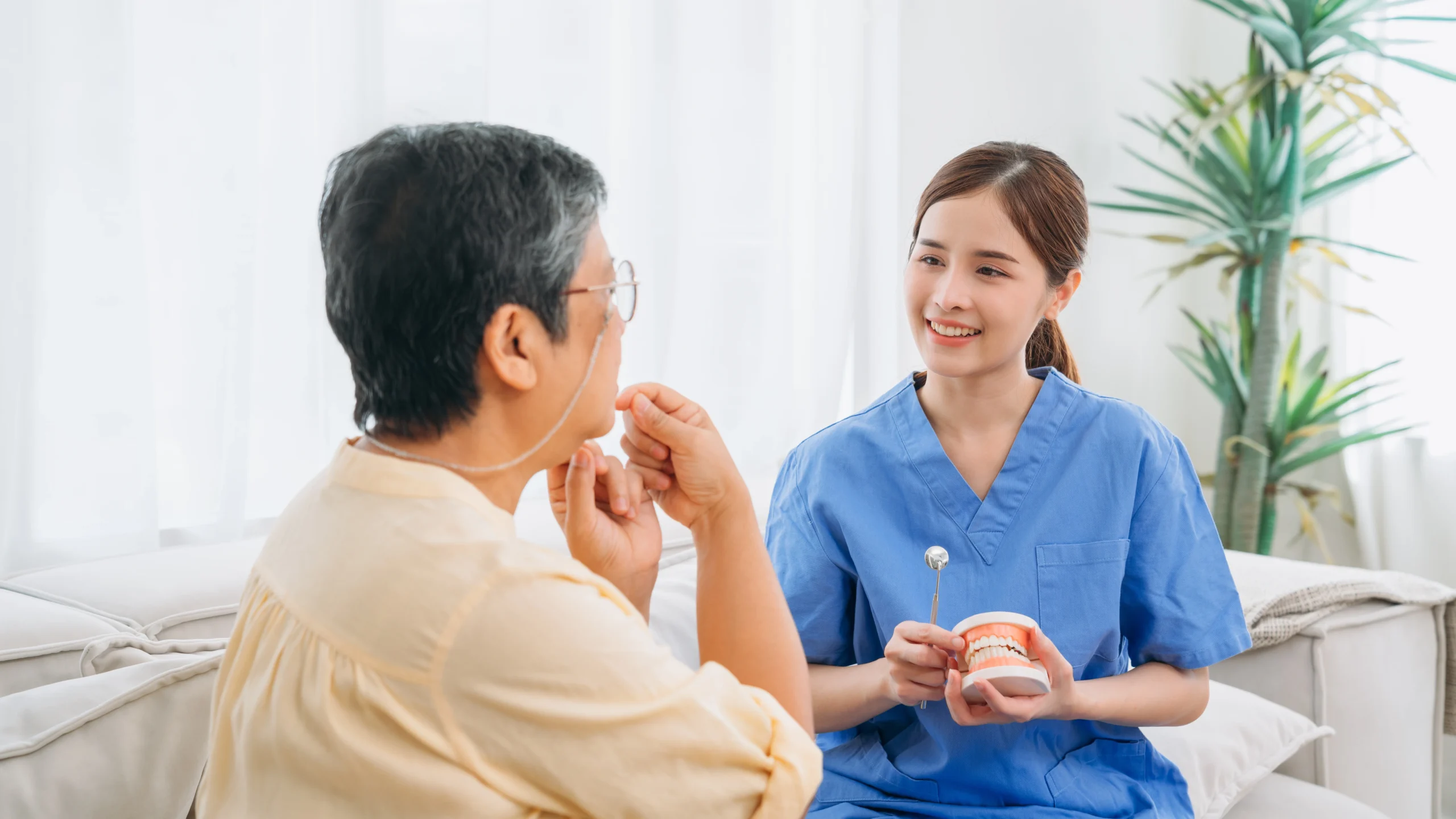
The most important senior care moments rarely look dramatic. A parent stops eating apples because chewing feels “annoying.” A medication schedule slips by two hours. A bathroom trip turns into a near fall. In those quiet moments, why senior care matters becomes crystal clear. It is the difference between coping and truly living.
If a family wants support that meets an older adult where they are, it can help to request an in-home visit and talk through practical next steps in the home setting.
When families are figuring out why senior care matters, community resources can carry real weight. The Administration for Community Living describes an Area Agency on Aging as “a public or private nonprofit agency designated by a state.” (ACL) That matters because good care is not only medical. It is also meals, support, planning, and the kind of coordination that keeps life steady.
Why Senior Care Matters When Safety Has to Be Boring to Work
Safety is at its best when nobody notices it. That is one reason why senior care matters. The goal is not a house full of gadgets. The goal is fewer risky moments, quietly prevented.
Common safety upgrades that actually hold up in daily life:
- A clear walking path with fewer trip points
- Better lighting at night, especially to the bathroom
- Shoes that fit and grip, not slippers that slide
- A “same place every time” system for keys, phone, cane, and glasses
Safety also includes oral comfort. When the mouth hurts, people change how they walk and eat. They rush brushing. They avoid meals. That can spiral into weakness and falls. A senior-focused dental check can be part of a safety plan, not just a “nice to have.”
For families who want a clearer sense of what care should include, the article on the best definition of senior care helps frame care as a whole-life support system instead of a list of tasks.
Why Senior Care Matters for Dignity, Not Just Health

Many caregivers do the right things but feel stuck in constant negotiation. Dignity is often the missing ingredient. And that is a core reason why senior care matters.
Dignity looks like:
- Asking permission before helping with personal care
- Explaining what is happening in one calm sentence
- Keeping choices small but real (“Do you want tea or water?”)
- Preserving privacy, even when time is tight
In senior care, the “how” is not decoration. The “how” is the treatment. When the older adult feels respected, cooperation rises. Stress drops. Outcomes improve.
That same principle applies to dental care, especially when someone is embarrassed about their teeth or nervous about being judged. A clinician who understands geriatric needs can make a routine visit feel like relief instead of scrutiny. The geriatric dentistry page is a helpful reference point for what that specialised approach can involve.
Why Senior Care Matters When the Goal Is Better Outcomes
Care is not only about preventing emergencies. It is also about improving the everyday. That is why senior care matters for outcomes like eating well, speaking clearly, sleeping better, and staying socially connected.
Here is a simple way to think about outcomes that families can actually measure:
| Goal | What “Better” Looks Like | What Often Improves It |
| Nutrition | More regular meals, less avoidance | Comfort, routine, easier food textures |
| Mobility | Fewer near falls, steadier transfers | Safer setup, strength support, pacing |
| Mood | Less irritability, more engagement | Predictable routines, less pain, social contact |
| Sleep | Fewer wakeups, calmer mornings | Comfort, stable schedule, less nighttime stress |
| Communication | Clearer speech, more confidence | Better oral comfort, better-fitting dental solutions |
When oral discomfort is part of the picture, outcomes can quietly decline. That is why senior-friendly dentistry can be tied directly to quality of life, not just teeth.
If a household is choosing a provider, the guide on finding a dentist for seniors can help families understand what “senior-focused” should look like in practice.
Why Senior Care Matters When Aging at Home Is the Preference

Many older adults want to stay home. Families often want that too, but they need support to make it realistic. This is another reason why senior care matters.
The Administration for Community Living explains that Area Agencies on Aging coordinate services that help older adults remain in their homes if that is their preference. (ACL) The practical takeaway is that caregiving does not have to be a closed loop of family-only effort. A care plan can include meal support, homemaker assistance, and local coordination.
A simple “support map” families can make in 20 minutes:
- Who helps daily (meals, reminders, hygiene)
- Who helps weekly (shopping, laundry, paperwork)
- Who helps monthly (appointments, home safety check)
- What community supports exist (AAA, respite, transportation)
That map turns caregiving from improvisation into a system.
Why Senior Care Matters When Dental Visits Are Hard to Coordinate
Logistics can be the entire problem. Transport can be exhausting. Waiting rooms can be confusing. Mobility devices do not always fit easily into a “quick appointment.” That is why senior care matters in a mobile, home-based form when appropriate.
Families can learn what in-home visits can include through the services page, especially for older adults who are homebound or who do better in familiar surroundings.
For households exploring mobile dentistry specifically, the overview of what a traveling dentist visit can look like can help caregivers prepare the space and set expectations.
If it helps to see how other families experienced home-based care, the reviews page can provide that outside perspective.
Why Senior Care Matters When Dementia Changes the Rules

Some families are learning why senior care matters while also learning the new logic of dementia. Tasks that used to be simple can become confusing. A person may refuse brushing. They may clench. They may insist nothing hurts, even when it does.
Two dementia realities that can protect the caregiver’s sanity:
- Behaviour is often communication.
- Consistency often matters more than persuasion.
Dental routines are a common flashpoint. The guide on dementia and dental care can help caregivers understand why resistance happens and what makes cooperation more likely.
And when caregivers are trying to understand cognitive changes, the resource on dementia versus Alzheimer’s can help clarify terminology so families can ask better questions and feel less lost in the vocabulary.
For hands-on brushing support, the page on how to clean teeth of a dementia patient offers practical steps that can reduce stress for both the caregiver and the patient.
Why Senior Care Matters for Caregivers, Too
Caregiver burnout is not a weakness. It is math. Too many responsibilities, too few breaks, too little clarity. That is why senior care matters as a structure, not just a set of chores.
Caregiver protections that are realistic:
- A written routine that reduces daily decision fatigue
- One “off duty” hour each day when possible
- A backup list of helpers for emergencies
- A plan for dental and medical needs that does not rely on last-minute scrambling
Care becomes kinder when it becomes predictable.
The Founders’ Story and Clinical Leadership Behind Dental Home Services
A big reason families trust Dental Home Services is that it was built for the exact situations many caregivers are living through. Dr. Stu Rubin founded the practice more than twenty-five years ago after seeing his own family struggle when his father-in-law suffered a debilitating stroke and became homebound. That experience shaped the entire model. Care is designed to come to the patient, not force the patient to fight their way to care.
Dr. Rubin is also widely known in the home health care community. More than 350 assisted living facilities have chosen Dental Home Services as the provider of dental treatment for their residents. He is a Certified Dementia Practitioner, has served on the Board of Directors of Alzheimer’s New Jersey, and was named Humanitarian of the Year by Caregiver Volunteers. Those details matter because they signal a practice built around seniors, disability, and the realities of cognitive change, not a general dentistry office trying to “also do house calls.”
Clinical oversight is led by Dr. Lindsay Rubin, the Director of Clinical Affairs. She is a graduate of Tufts University School of Dental Medicine and completed a residency at St. Luke’s Roosevelt Hospital in Manhattan that included extensive emergency room coverage. Dr. Lindsay is passionate about bringing quality dentistry to seniors and the disabled, and she also teaches home care dentistry techniques to fellow dentists.
Together, their leadership adds depth behind the mission. The practice is not just mobile. It is purpose-built for elderly and homebound patients, including those who may be confused, medically complex, or living with dementia, with a focus on calm care, clear communication, and real-world problem solving in the home environment.
For Senior Dental Care Matters, Trust Dental Home Services
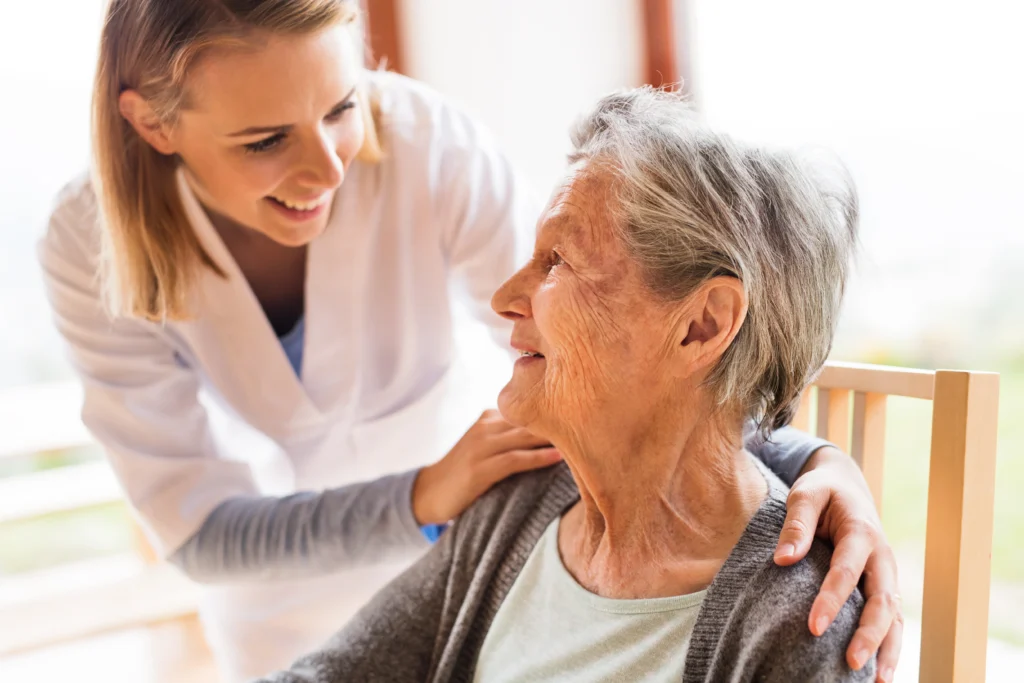
A strong senior care plan does not need to be complicated. It needs to be repeatable. When the plan protects safety, preserves dignity, and supports better outcomes, everyone breathes easier. That is why senior care matters, even when the work is quiet.
For caregiver-friendly education and related topics, the site’s blog can be a useful place to keep learning without feeling overwhelmed.
If speaking to a real person is easier than piecing it together alone, caregivers can call 1-800-842-4663 to ask what support might fit the situation.
Frequently Asked Questions About Why Senior Care Matters
Why Senior Care Matters for Families Who Want Aging at Home
It helps keep daily life stable and safer, while adding coordinated support so the family is not doing everything alone.
Why Senior Care Matters When Dementia Is Involved
Predictable routines and respectful communication can reduce resistance and improve daily cooperation, especially with hygiene and dental care.
Why Senior Care Matters for Oral Health and Nutrition
Comfortable teeth and gums support eating, speaking, and confidence, which directly affects nutrition and overall quality of life.
Who Can Help Seniors and Homebound Adults With In-Home Dental Care in NJ and Parts of NY?
Caregivers can ask Dental Home Services about mobile dentistry for older adults across New Jersey and parts of New York.
Important Disclaimer About Why Senior Care Matters
This article is for educational purposes only and does not provide medical, nursing, or dental advice. Every situation is different, so families should consult qualified healthcare professionals for personalised guidance. If there is severe pain, sudden confusion, chest pain, trouble breathing, fever, uncontrolled bleeding, or any urgent concern, seek emergency medical care right away.