

Caring for someone living with dementia often means watching for subtle changes, including shifts in oral health. Dental plaque may seem minor at first, but unmanaged buildup can worsen discomfort, increase infection risk, and contribute to behavioural changes. Families in New Jersey and New York frequently ask how dental plaque and dementia influence each other and what practical steps they can use at home. This guide offers five essential tips, grounded in research and daily caregiving realities, to help you protect your loved one’s comfort and dignity.
A compassionate house call dentist can make a world of difference. If your loved one is struggling with oral care or refusing brushing, Dental Home Services brings dental care directly to seniors living with dementia in NJ and parts of NY.
Why Dental Plaque and Dementia Require Special Attention
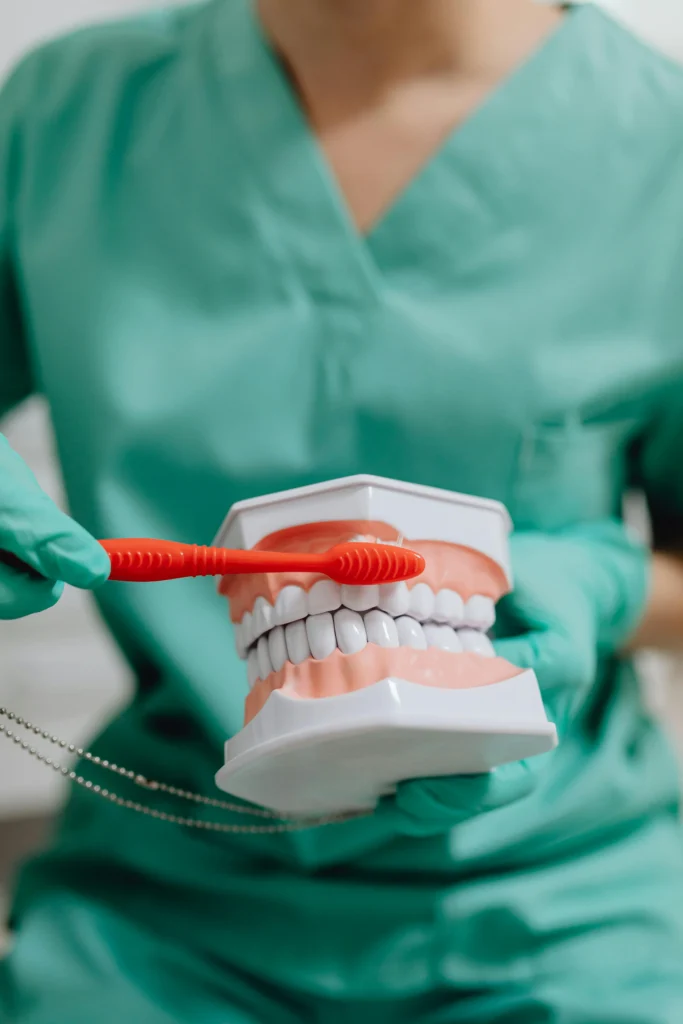
Plaque forms when bacteria accumulate on the teeth and gums, leading to decay, gum inflammation, and infection. For people living with dementia, these issues are not just uncomfortable. They can influence eating, sleep patterns, and behaviour. Carers often notice that dental challenges can escalate quickly, especially when brushing becomes difficult or confusing.
Emerging research suggests a deeper biological relationship as well. Scientists have found that oral bacteria associated with plaque can contribute to neuroinflammatory pathways linked to cognitive decline. This reinforces what many caregivers observe daily: good oral care isn’t optional. It is an essential part of dementia support.
Tip 1: Create a Predictable Oral Care Routine
When supporting dental plaque and dementia challenges, consistency often reduces anxiety. Choose the same time and quiet space for toothbrushing each day. If your loved one struggles with brushing motions, the step-by-step techniques in our guide on how to brush a dementia patient’s teeth can help you keep them comfortable while still protecting their smile.
Tip 2: Notice Early Warning Signs of Dental Decline
Caregivers should watch closely for:
- Bad breath that doesn’t improve after brushing
- Sudden resistance to eating
- Visible yellow or brown buildup near the gumline
- Rubbing the jaw or face
- Changes in mood or agitation during meals
If a loved one refuses care or seems in pain, more guidance is available in our article on dementia patients who won’t brush their teeth. Behaviour often communicates discomfort long before words can.
Tip 3: Understand How Dental Plaque and Dementia Influence Each Other

Inflamed gums and untreated plaque may worsen confusion, irritability, and sleep disturbances. The clinical study mentioned earlier found that periodontal inflammation may play a role in biological processes associated with cognitive change. While oral care cannot stop dementia, it can support quality of life, reduce discomfort, and prevent avoidable crises.
For families who want deeper education on this connection, we also explore the relationship between brushing habits and cognitive health here: Link Between Brushing Teeth and Dementia.
Tip 4: Clean Plaque Gently and Effectively
Dental plaque can harden into tartar if it is not removed regularly. Many dementia caregivers find it helpful to switch to:
- Soft-bristled toothbrushes
- Toothpaste with mild flavours
- Short brushing intervals rather than one long session
- A hand-over-hand technique
If dentures are part of your loved one’s routine, proper care is essential. You can follow our guide on how to remove dentures from a dementia patient safely to keep them clean and comfortable.
Tip 5: Bring in Professional Support When Needed
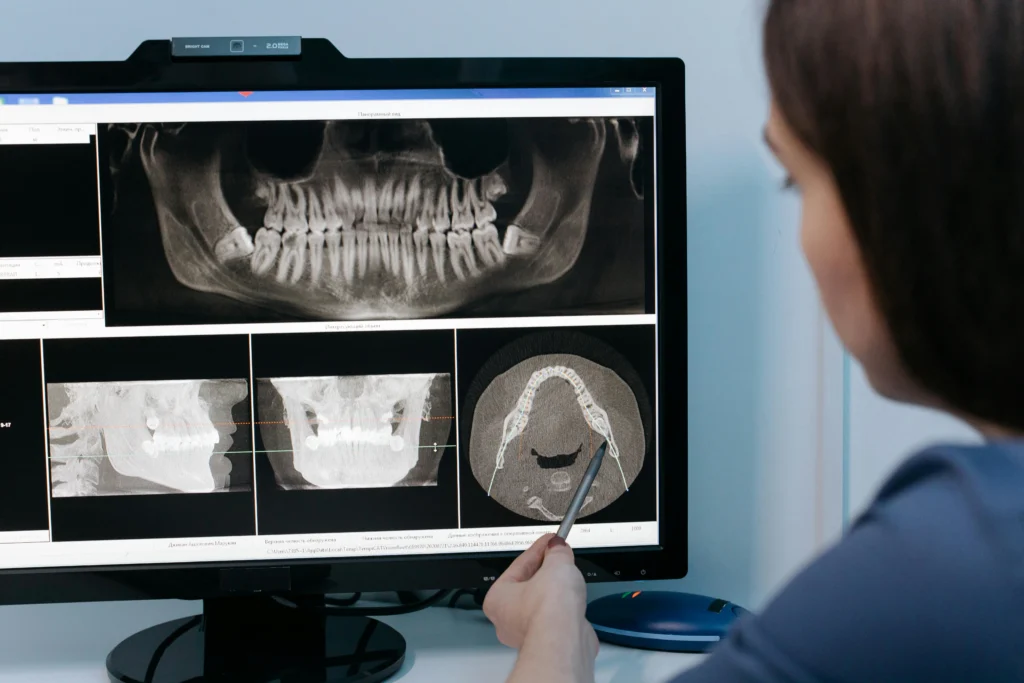
Families do not have to handle dental plaque and dementia challenges alone. A house call dentist reduces the stress of transportation, long waits, and unfamiliar environments. Our services designed for medically complex and memory-impaired patients allow seniors to receive compassionate dental care right from home. We also offer gentle support for extractions, preventive care, and emergency needs.
If you ever need help or are unsure what level of care is appropriate, reach out through our contact page or explore additional resources on the Dental Home Services blog.
Support Resources for Dementia Carers
Families often gain confidence when combining oral health education with dementia-care tools. The Alzheimer’s Association offers guidance, community support, and practical resources for carers, which you can explore through Alz.org. Those looking for services within New Jersey and New York can locate providers through our service map. Additional caregiver education is available on the Dental Home Services blog.
Putting These Dental Plaque and Dementia Tips Into Practice

Every small step in oral care makes a meaningful difference for a person living with dementia. Predictable routines reduce stress, early intervention prevents painful complications, and gentle techniques help maintain comfort. When families feel overwhelmed, professional house call dentistry can offer relief and reassurance.
If your loved one is showing signs of oral discomfort, behavioural changes during meals, or worsening plaque buildup, help is available. Dental Home Services proudly supports seniors with dementia throughout NJ and NY, bringing safe, patient-centred dentistry straight to their home. You can reach us anytime at our contact page for guidance or scheduling.
Frequently Asked Questions About Dental Plaque and Dementia
Why does dental plaque worsen in dementia patients?
Cognitive changes can reduce daily brushing, increase fear or confusion during oral care, and make it harder to express discomfort. When plaque is not removed, it accelerates decay and gum inflammation.
Can dental plaque affect dementia symptoms?
Inflammation from plaque can influence mood, behaviour, and eating patterns. Research also suggests that oral bacteria may contribute to neuroinflammation, reinforcing the need for consistent care.
When should I call a dentist for my loved one with dementia?
Call a dentist if you notice bleeding gums, refusal to eat, bad breath, broken teeth, loose dentures, or ongoing discomfort. A mobile provider can evaluate the issue at home.
Do you serve all of NJ and NY?
Dental Home Services provides house call dentistry across most of New Jersey and select areas of New York. You can view our coverage on our map and reach out for availability.
Disclaimer
This article is for educational purposes only and does not replace medical or dental advice. Always consult a qualified professional regarding diagnosis, treatment, or care planning.