

For many families, the first signs that something is changing with a loved one living with dementia appear during daily routines. You may notice forgotten showers, unbrushed teeth, or a growing resistance to tasks that once felt simple. These changes can be confusing for families, especially when you are trying to understand whether forgetfulness is part of aging or a sign that dementia has moved into a new stage.
This is where the fast scale dementia tool becomes incredibly helpful. It gives families and caregivers a clear picture of how dementia is progressing and what types of support a person may now need. Understanding this scale can also help you make more confident decisions about care, including when to bring in professionals who are trained to work gently with seniors who struggle with hygiene routines. In New Jersey and parts of New York, Dental Home Services provides in-home dental care for exactly these situations.
Before we explore how the scale works, remember that no family should feel they need to navigate dementia care alone. There are teams, tools, and compassionate professionals designed to help you every step of the way.
What Is the FAST Scale for Dementia?
The fast dementia scale (Functional Assessment Staging Tool) is one of the most widely used assessments for determining how dementia affects daily functioning. It helps caregivers understand the stage of the disease by looking at real on-the-ground abilities such as dressing, bathing, and maintaining good oral hygiene.
The scale breaks dementia into seven major stages, moving from mild forgetfulness to more significant cognitive and physical decline. Many families first encounter this tool when a loved one begins to show changes in self-care routines, especially around teeth brushing, eating habits, or bathing.
You can find the official FAST scale information through clinical resources such as the Functional Assessment Staging Tool provided by the Center to Advance Palliative Care.
How Caregivers Use the FAST Scale to Assess Hygiene Abilities

Caregivers use the fast scale for dementia as a roadmap to determine how much support a person needs and how quickly those needs may be changing. Hygiene routines are often the first tasks impacted, which means they are a valuable indicator of where a person falls on the scale.
The Role of Hygiene in the FAST Stages
Here is how hygiene challenges can appear at different points on the scale:
Stage 3–4: Early Difficulties
- Occasional missed showers or forgotten tooth brushing
- Trouble sequencing tasks such as “brush teeth, then rinse, then floss”
- Resistance due to confusion or overwhelm (here’s a guide for helping dementia patients brush teeth, for your reference)
Stage 5: Noticeable Support Needed
- Frequent reminders required for brushing and bathing
- Clothes worn repeatedly because choosing new items feels difficult
- Food residue in the mouth due to difficulty cleaning teeth
Stage 6: Hands-On Help Required
- Unwillingness to bathe or brush because the routine feels unfamiliar
- Dementia oral health problems such as cavities, dementia damaged teeth, or gum irritation
- Signs of pain that the person cannot explain
Stage 7: Full Assistance Required
- Caregivers provide complete hands-on hygiene
- Teeth may loosen due to advanced decline, also known as dementia tooth loss
- Dental emergencies such as broken or infected teeth may appear
There are several types of pain and care scales which professionals rely on to support their patients. Understanding these patterns helps families recognize when a loved one needs additional help and when bringing in specialized support is the safer and more comfortable option.
Trust Matters When Supporting Hygiene for Dementia Patients

Dementia affects more than memory. It changes sensory interpretation, emotional responses, comfort levels, and the ability to understand what is happening during a routine.
Finding caregivers who understand how to use tools like the FAST scale ensures:
- A respectful and gentle approach
- A pace that makes the individual feel safe
- Methods that reduce fear, confusion, or resistance
- Preventive care, not just emergency care
- Support for families who feel overwhelmed
This becomes especially important for oral care. Many families are surprised to learn that dental problems are common not because someone is neglectful, but because dementia changes a person’s ability to complete the necessary steps to maintain clean teeth.
If you are seeing dementia loose teeth, unexplained discomfort, or sudden decline in hygiene, it may signal that the disease has progressed on the fast scale dementia chart.
This is when in-home support becomes essential. Dental Home Services provides dental care directly in the home or residence, supporting seniors who cannot tolerate traditional dental office visits. You can explore their gentle approach through their information on tooth extraction and dementia, and through their dedicated services for seniors in NJ and NY.
How Families Can Use the FAST Dementia Scale at Home
You do not need medical training to use the scale as a reference. Families can track changes by noting simple patterns:
- What hygiene tasks are becoming inconsistent?
Brushing teeth, bathing, or choosing clothes are major early indicators. - Is the person showing more resistance or fear?
This often means the step-by-step process has become confusing. - Is oral health declining quickly?
Dementia dental issues like decay, broken teeth, or refusal to open the mouth can reflect progression. - Are you spending more time providing hands-on help?
This often signals movement from Stage 5 to Stage 6.
If these changes are happening, it may be time to speak with a dementia-trained professional. Dental Home Services works with Certified Dementia Practitioners who understand how to adapt care for seniors with advanced cognitive impairment.
Families can also learn more through the company’s resources on the Geriatric Dentistry Blog!
When to Bring in Professional Help for Dental Care
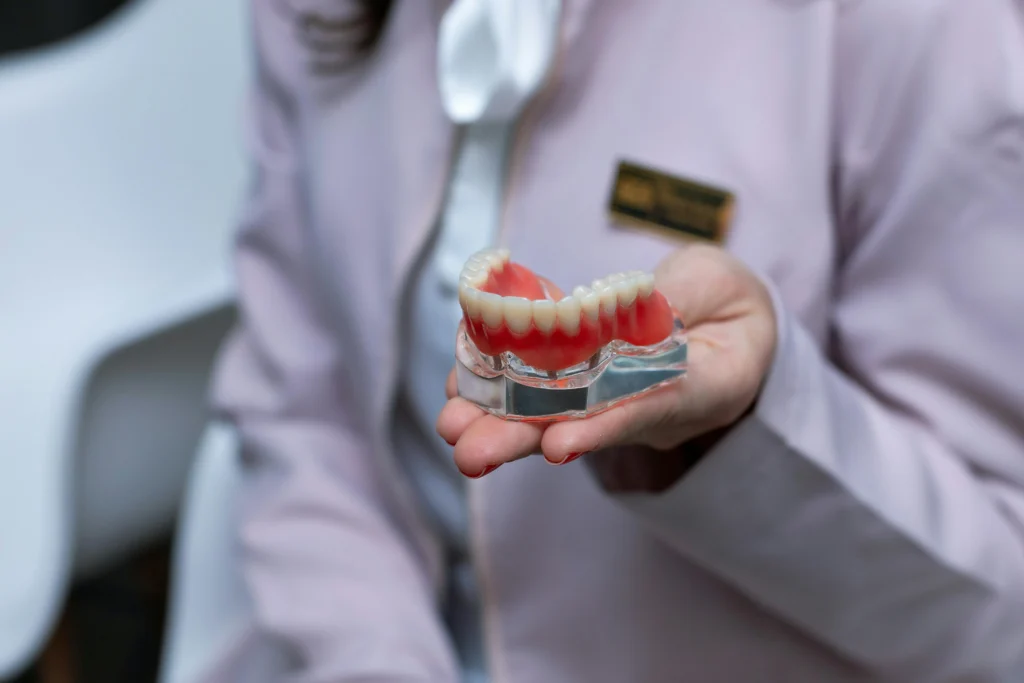
It becomes important to seek in-home dental support when:
- The person refuses brushing or becomes distressed
- You notice dementia oral health problems like gum swelling or visible decay
- They cannot tolerate a traditional dental office
- Eating becomes difficult due to pain
- You worry teeth are becoming loose or breaking
- You feel overwhelmed or unsure how to help
Dental Home Services provides in-home visits across New Jersey and parts of New York, which can bring tremendous relief to families who want compassionate care without forcing a loved one into an unfamiliar setting.
If you are ready to find support that understands your family’s needs, you can reach out directly to their team for more information.
Frequently Asked Questions About the FAST Scale Dementia Tool

What is the FAST scale for dementia?
It is a clinical tool that outlines how dementia progresses based on functional abilities, including hygiene and oral care.
How do you use fast scale dementia at home?
Families can observe changes in daily routines and compare them to the scale stages to understand how much assistance a loved one now needs.
How do caregivers score the fast scale for dementia?
Scoring is based on functional changes in tasks like dressing, bathing, and hygiene rather than memory alone. Clinicians may provide a formal score during evaluations.
Why is oral hygiene such a strong indicator in the fast dementia scale?
Dental routines require many steps. When a person cannot complete these steps, it often shows that cognitive processing has changed.
Where can I find a fast dementia scale pdf?
Resources are available through organizations such as the Center to Advance Palliative Care and other clinical reference sites.
How can families in NJ or NY get dental help for a loved one with dementia?
They can connect with Dental Home Services, which provides in-home dental care and dementia-trained dental support for seniors across New Jersey and parts of New York. Their location information is available through their listing on Google Maps.
Disclaimer
This article provides general educational information and is not medical advice. Families should consult qualified healthcare and dental professionals for personalized guidance.