
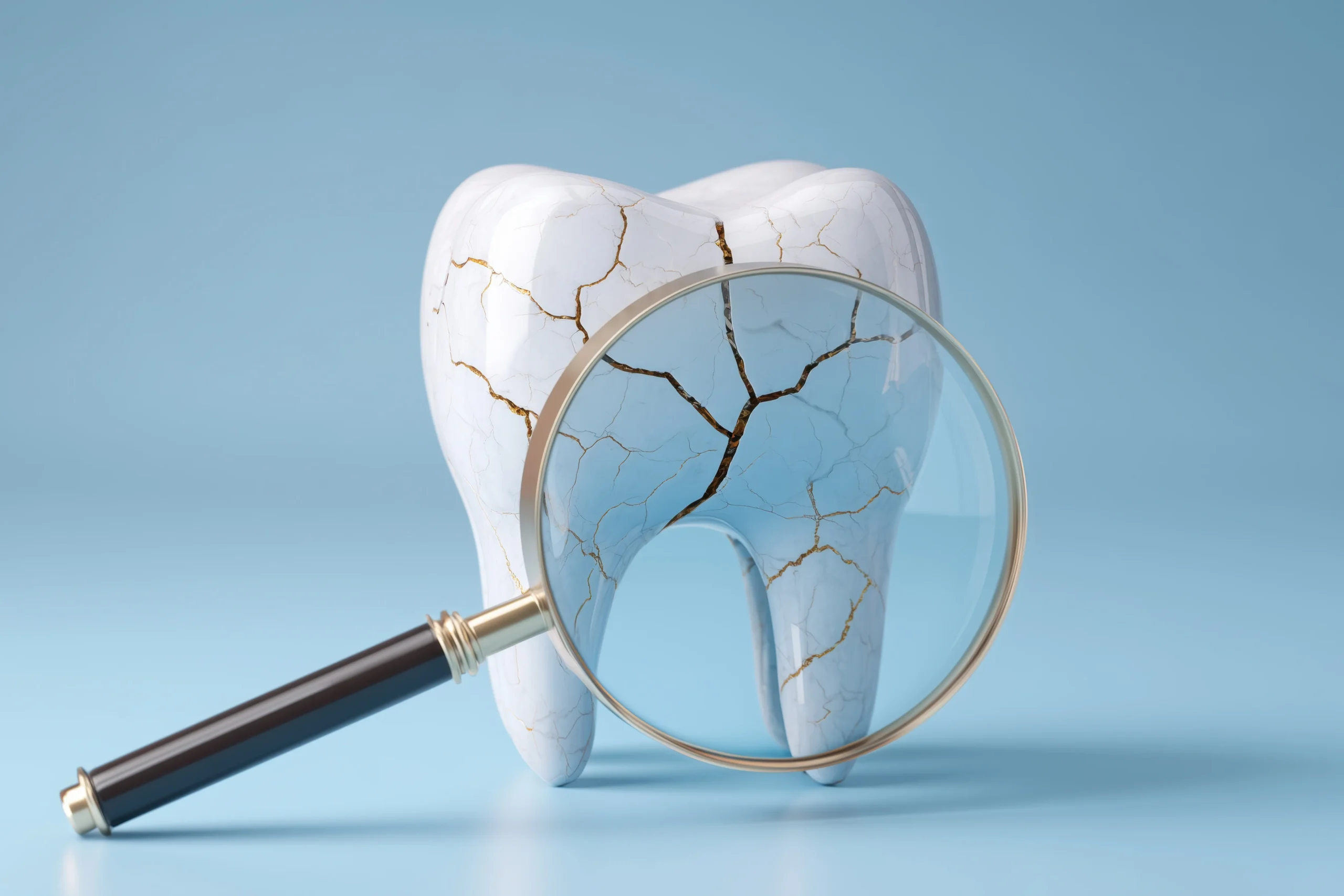
It can start with something small. A twinge when you bite into toast. A sharp sting from cold water. A loved one in a wheelchair suddenly refuses a favourite snack and won’t explain why. Cracked tooth symptoms often arrive like that. Quiet at first. Easy to dismiss. Then the pattern gets louder.
If you want a clinician to assess the tooth in the home setting, Dental Home Services can help seniors and homebound adults across New Jersey and parts of New York. To get started, you can request an in-home visit and share what you’re noticing.
A quick note before the deep dive: if you see facial swelling or your loved one seems unwell, treat it as urgent. The guide on face swelling from tooth can help you decide when emergency care is the safest option.
Cracked Tooth Symptoms That Show Up First
The tricky part about cracked tooth symptoms is that the tooth can look normal in the mirror. The signals usually show up during chewing, temperature changes, or at night when clenching kicks in.
Here are the most common early signs caregivers notice:
- Cracked tooth pain when biting, especially on one side or on one specific tooth
- Cracked tooth hurts when chewing, even with softer foods
- Cracked tooth sharp pain release bite, meaning the sting hits as pressure comes off
- Cracked tooth pain comes and goes, which can make it feel “imaginary” until it returns
If the tooth is in the front and the concern is a visible chip rather than a crack, this guide on chipped front tooth repair advice can help families understand common fixes and timing.
Cracked Tooth Symptoms and Sensitivity to Hot or Cold
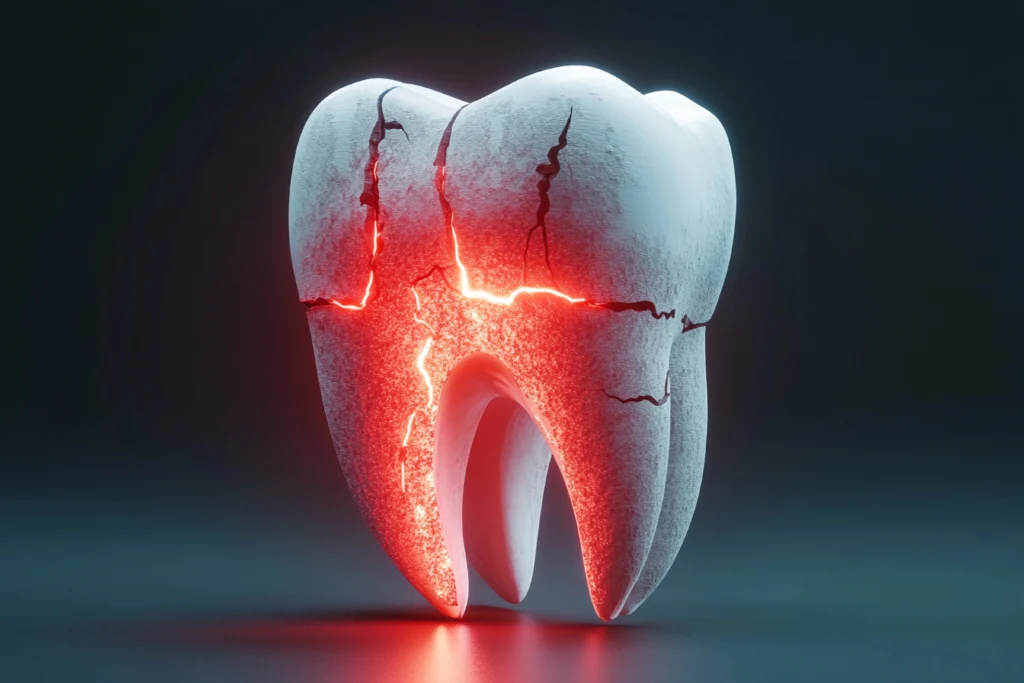
Sensitivity is one of the most common reasons people suspect a crack. And it’s also one of the easiest symptoms to misread, because sensitivity can overlap with cavities or gum irritation.
Look for these patterns:
- Cracked tooth sensitivity to cold that feels sharp, sudden, and pinpoint
- Cracked tooth sensitivity to hot that lingers longer than expected
- A change in sensitivity that’s new, not “I’ve always had that”
If you’re trying to make sense of cracked tooth vs cavity symptoms, a useful distinction is how specific the pain feels. Cracks often create a “there, exactly there” sensation during bite pressure. Cavities often create more generalized sensitivity or a dull ache that builds.
A Simple Table for Cracked Tooth Symptoms and What They Can Mean
This table is meant to help caregivers and patients talk clearly about what’s happening, especially when the person is anxious, fatigued, or has memory changes.
| What You Notice | What It Often Suggests | What to Do Next |
| Cracked tooth pain when biting | Crack line stressed under pressure | Dental evaluation soon |
| Cracked tooth sharp pain release bite | Crack opening/closing with force | Avoid chewing on that side, evaluate |
| Cracked tooth sensitivity to cold | Exposed inner layers or micro-crack irritation | Limit cold triggers, evaluate |
| Cracked tooth sensitivity to hot | Deeper irritation, possible nerve involvement | Evaluate sooner |
| Cracked tooth pain comes and goes | Force-related pain, often missed early | Track pattern, evaluate |
| Cracked tooth gum swelling | Inflammation or infection risk | Evaluate promptly |
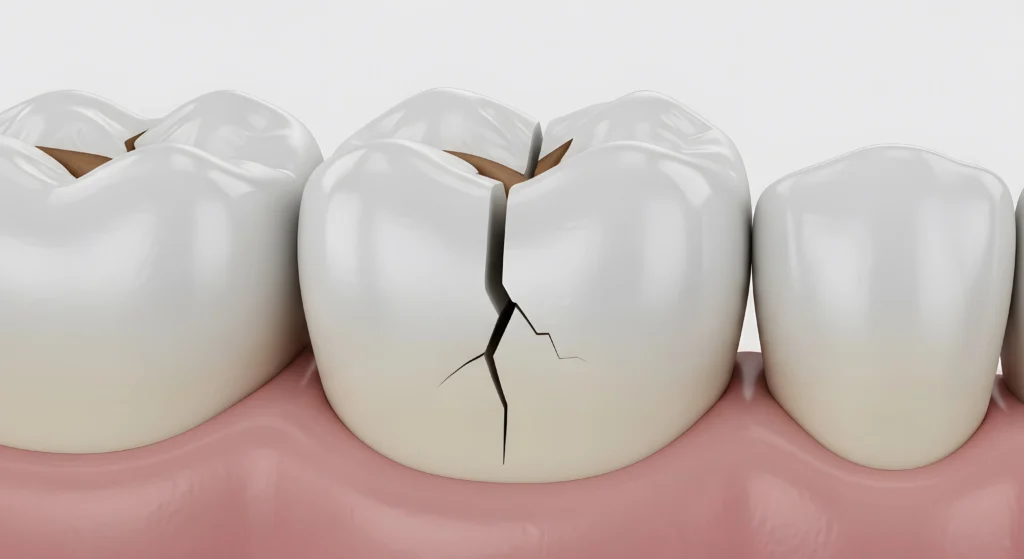
If you’re seeing cracked tooth symptoms alongside visible damage near the gumline, this page on a decayed tooth that broke off at the gum line can help you describe what you’re seeing and why timing matters.
Cracked Tooth Symptoms at Night: The Grinding Connection
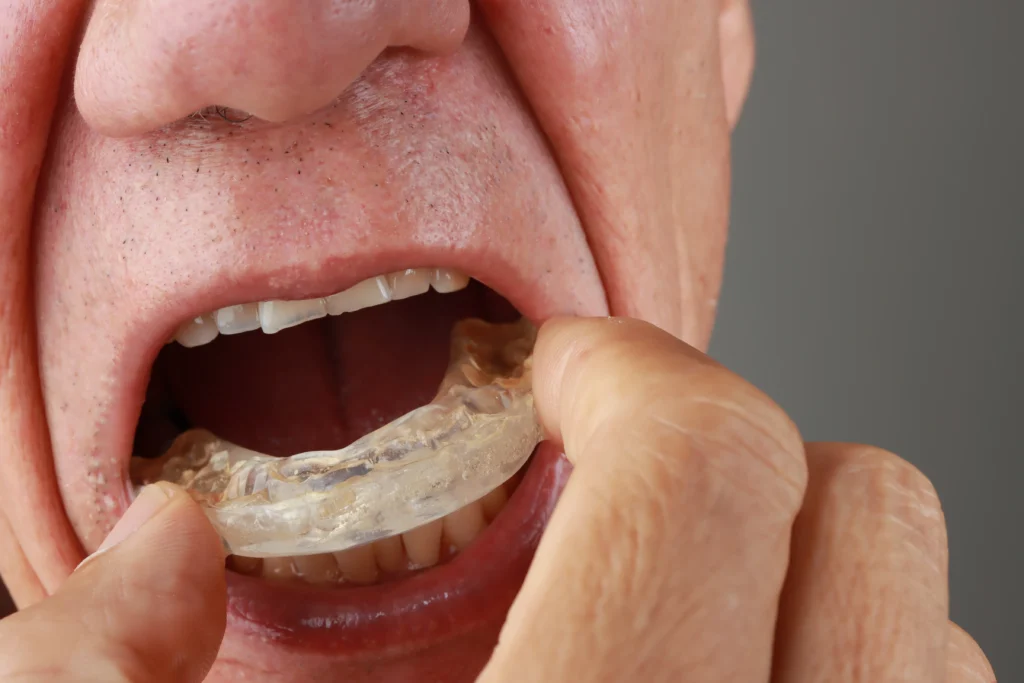
Many people with cracked tooth symptoms at night aren’t imagining it. Nighttime clenching and grinding can quietly load the tooth for hours. That stress can make cracks worse, and it can make pain feel unpredictable.
A practical next step for many households is to protect the teeth from nightly force. If you or your loved one wears a guard, this guide on how to clean a dental bite guard can help you keep it comfortable and hygienic, so it actually gets used consistently.
If the pain is worse in the morning or the jaw feels tight, mention that during your dental assessment. It’s often a clue that changes the plan.
Cracked Tooth Infection Signs: What Should Move Faster
Some cracked tooth symptoms are uncomfortable but stable. Others signal that infection may be developing. Caregivers should treat these as “move sooner,” especially for older adults.
Watch for cracked tooth infection signs such as:
- Cracked tooth gum swelling that is increasing or spreading
- A bad taste that keeps returning
- Feeling feverish or unusually tired
- Pain that becomes constant rather than bite-triggered
- Facial swelling or warmth in the cheek or jaw (use the face swelling guide above)
Older adults can decline quickly when eating and hydration drops. That’s why it’s safer to evaluate earlier rather than trying to “wait it out.”
Cracked Tooth Symptoms in Seniors and Homebound Patients
For seniors, wheelchair users, and bedridden patients, cracked tooth symptoms can be more disruptive than people expect. It isn’t only pain. It’s what pain does next.
A sore tooth can lead to:
- Eating less, then skipping meals
- Drinking less because cold and hot trigger sensitivity
- Less cooperation with brushing, especially if the mouth feels tender
- Sleep disruption that worsens confusion or irritability
This is why senior-focused dentistry matters. The guide on dentists for seniors can help families understand what to look for in a provider when mobility and medical complexity are part of the picture.
If you want a clearer picture of how care is adapted for older adults, the in-home services overview explains what mobile dentistry can include and why it can be a better fit when travel is the barrier.
What to Do Today While You Arrange Care
When caregivers are in the middle of a busy day, the question becomes practical: what can be done right now that won’t make things worse?
Here’s a safe short plan:
- Avoid hard, crunchy, or sticky foods on the suspected tooth
- Chew on the opposite side if possible
- Choose lukewarm drinks if hot or cold triggers pain
- Keep brushing gently and avoid “scrubbing harder” near the sore area
- Track the pattern: which tooth, which trigger, what time of day
If you want reassurance from other households navigating home-based care, the reviews page can help you understand what in-home visits feel like in real life.
If you’d rather talk through symptoms quickly, call 1-800-842-4663 and share the pattern you’re seeing.
Cracked Tooth Symptoms and the “Why It Hurts” Explanation
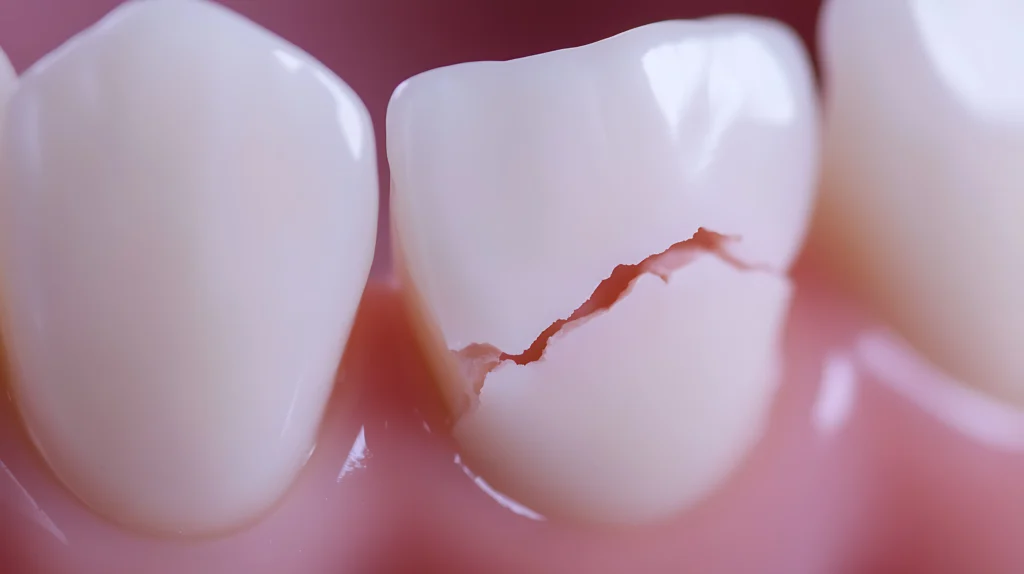
Many people find it calming to understand why the pain feels strange. With a crack, the tooth can flex slightly under pressure. That’s why cracked tooth pain when biting can feel sharp, and why cracked tooth sharp pain release upon biting can be the worst moment.
For a clear symptom overview, the Cleveland Clinic explains that a cracked/fractured tooth can cause pain when chewing or biting and sensitivity to temperature. Cleveland Clinic also notes swelling can occur, and that evaluation matters because cracks can lead to complications if ignored.
This is the heart of the issue: cracked tooth symptoms are often warning signals that something is unstable. The sooner it’s assessed, the more options tend to be available.
Why In-Home Dentistry Can Be the Difference in Real Households
A lot of people don’t delay care because they don’t care. They delay because the logistics are heavy. Transporting a frail parent. Managing stairs. Navigating a waiting room when someone is confused. Coordinating wheelchair transfers. Those barriers can turn a “simple dental visit” into an all-day event.
Dental Home Services brings dental care to the home across New Jersey and parts of New York. If you want to see additional caregiver-friendly topics, the blog has related guides that help families make decisions with less guesswork.
If a home evaluation would help you stop wondering and start acting, you can request an in-home visit and share the specific cracked tooth symptoms you’re seeing.
Frequently Asked Questions About Cracked Tooth Symptoms
What Are the Most Common Cracked Tooth Symptoms?
Common cracked tooth symptoms include pain when biting, pain that comes and goes, sensitivity to hot or cold, and sharp pain when releasing a bite. Cleveland Clinic notes pain with chewing and temperature sensitivity as common signs.
What Does Cracked Tooth Pain When Biting Usually Mean?
Cracked tooth pain when biting often means the tooth is flexing under pressure. The pain may be sharper on release, which is also a common crack pattern.
Can Cracked Tooth Sensitivity to Cold Be a Cavity Instead?
Yes. Cracked tooth sensitivity to cold can overlap with cavity sensitivity, which is why pattern matters. Cracks often cause bite-triggered pain, while cavities can cause more generalized sensitivity.
What Are Cracked Tooth Infection Signs to Watch For?
Cracked tooth infection signs can include swelling at the gumline, worsening pain, a bad taste, or facial swelling. If swelling is present, use the urgent guidance in the face swelling resource and seek prompt care.
Why Do Cracked Tooth Symptoms at Night Feel Worse?
Cracked tooth symptoms at night can worsen due to clenching or grinding during sleep. Morning jaw tightness and bite tenderness are common clues.
Who Can Help With Cracked Tooth Symptoms for Homebound Patients?
Families can contact Dental Home Services to ask about in-home dental evaluation for seniors and homebound adults across NJ and parts of NY.
Important Disclaimer About Cracked Tooth Symptoms
This article is for educational purposes only and does not provide medical or dental advice. For diagnosis and treatment planning, consult a licensed dental professional. If there is facial swelling, fever, trouble breathing or swallowing, uncontrolled bleeding, severe pain, or any urgent concern, seek emergency medical care right away.