
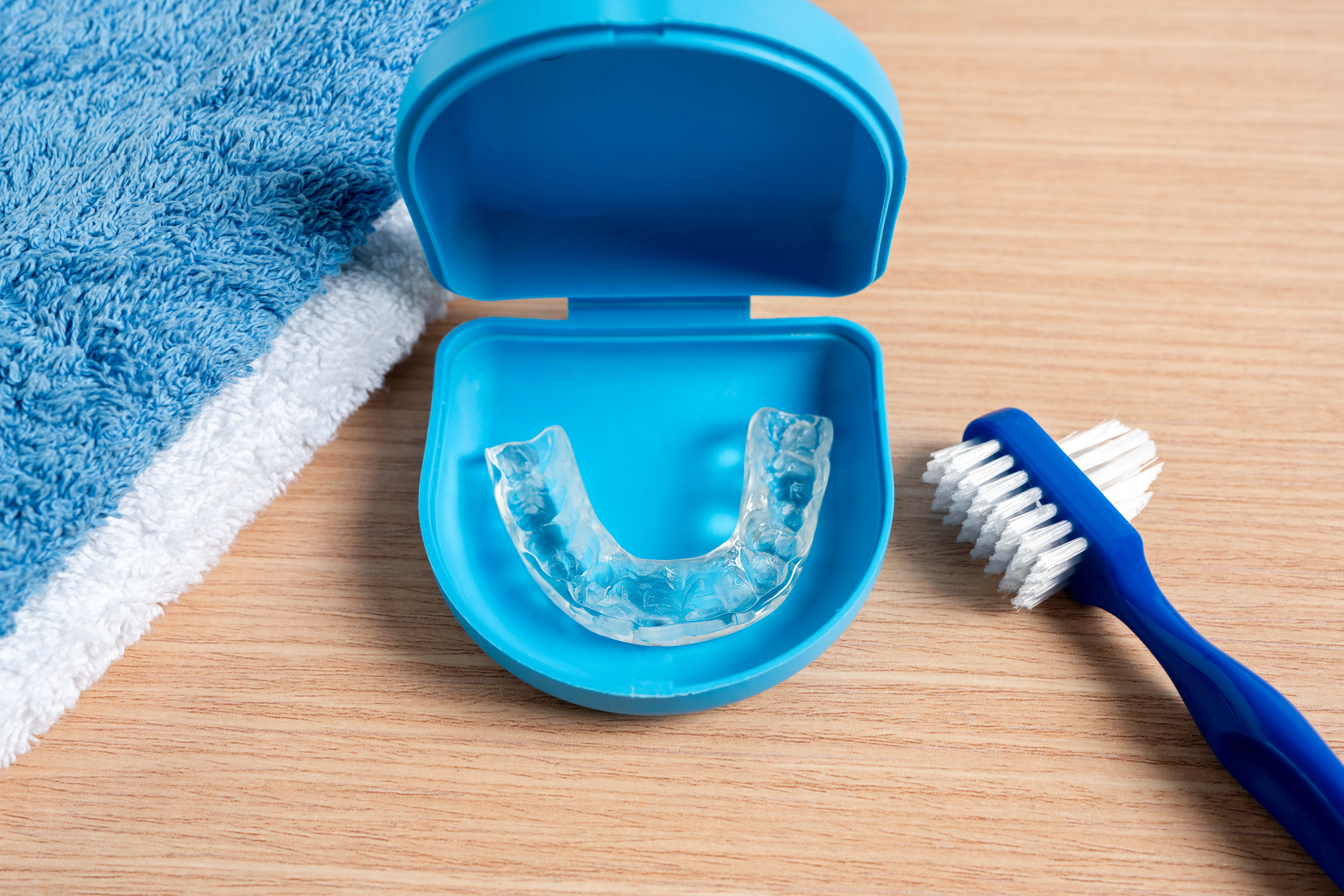
The first clue is usually the smell. Or a cloudy film that does not rinse off. Or a bite guard that suddenly feels “off” when it’s put in at night. If someone is already juggling stress, sleep, or teeth grinding, learning how to clean dental bite guard properly can be the small habit that prevents bigger problems.
If a caregiver wants guidance that fits real home routines, it can help to request an in-home visit and ask what cleaning steps are safest for the specific appliance and the patient’s needs. The Cleveland Clinic notes that “a mouthguard is a device that covers your teeth and gums to protect them.” That protection works best when the guard is cleaned consistently, not occasionally.
How to Clean Dental Bite Guard Without Damaging It
A bite guard is not a dish sponge. It is a medical-style appliance that sits in a warm, moist environment, which is exactly what bacteria and odour-causing buildup love. The goal of how to clean dental bite guard is simple: remove film daily, disinfect safely when needed, and avoid anything that warps or scratches the material.
A good routine also protects the teeth underneath. People who grind often put heavy pressure on the front teeth, and that can contribute to chips over time. If that has already happened, this guide on chipped front tooth repair advice can help families understand common fixes and timing.
A Simple Daily Routine for How to Clean Dental Bite Guard
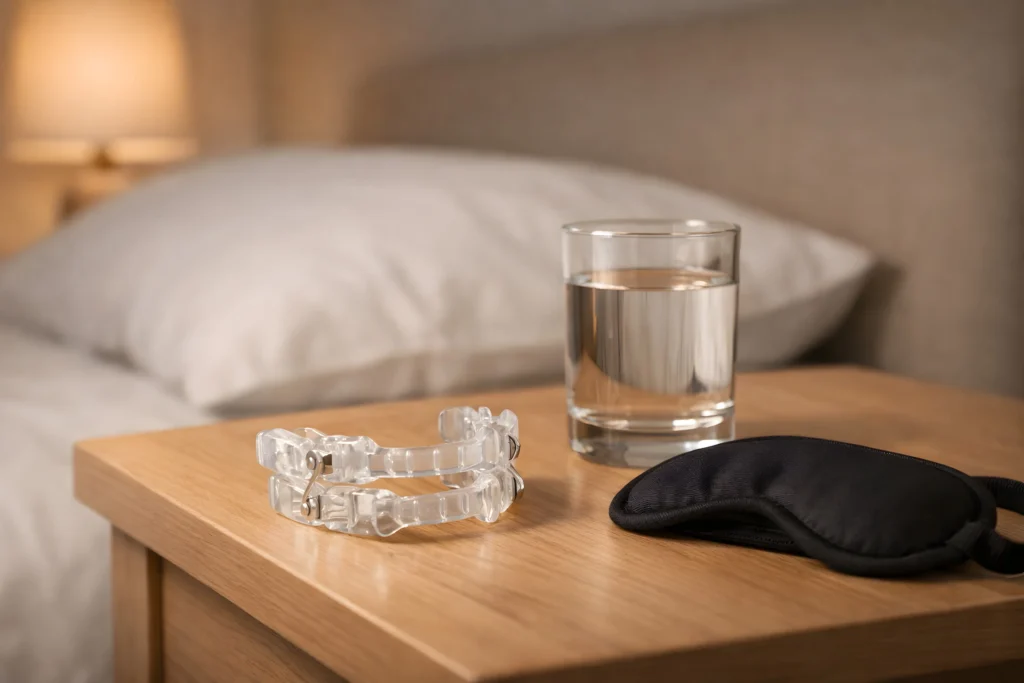
This is the “do it every day” version. It takes two minutes and prevents most issues.
1. Rinse Immediately After Removing It
Rinse with cool or lukewarm water. This removes saliva and reduces the chance of film hardening.
Avoid hot water. Heat can warp some guards, which changes fit.
2. Brush Gently With a Soft Toothbrush
Use a dedicated soft toothbrush that is not used for teeth. Brush all surfaces lightly, including grooves.
If toothpaste is used, choose a non-abrasive option. Many toothpastes are designed to polish enamel and can scratch some guard materials. Scratches trap buildup and make odours worse, which defeats the point of learning how to clean dental bite guard in the first place.
3. Air-Dry Fully Before Storing
Drying matters more than most people expect. A sealed, wet container becomes a humidity locker for odour.
After cleaning, shake off water and let it air-dry in a clean spot. Then place it in its case.
Weekly Deep-Clean for How to Clean Dental Bite Guard
Daily brushing removes surface film. Weekly deep-cleaning addresses the “invisible” layer that can cling even when the guard looks clean.
A simple weekly approach:
- Clean as usual first (rinse + gentle brush)
- Use a dentist-approved soak product if recommended for that guard type
- Rinse thoroughly afterward
- Air-dry completely
If the guard belongs to someone with dementia, keeping the steps consistent helps cooperation. It can also help to pair bite guard cleaning with the same time of day as brushing, so it becomes one predictable routine rather than a new “event.”
How to Clean Dental Bite Guard for Teeth Grinders and High-Wear Guards
People who grind often create heavier wear patterns, more saliva pooling, and more micro-scratching from pressure. That can make a guard look cloudy faster.
For families supporting someone who grinds due to dementia-related restlessness, this resource on dementia and teeth grinding can help caregivers understand why bruxism happens and what patterns to watch.
If grinding is severe, the daily routine for how to clean dental bite guard becomes even more important because the guard may be worn longer and handled more often. In more advanced situations, caregivers may also need to understand how symptoms evolve. This guide on end-stage dementia teeth grinding can support more informed conversations about comfort and safety.
A Quick Table for How to Clean Dental Bite Guard
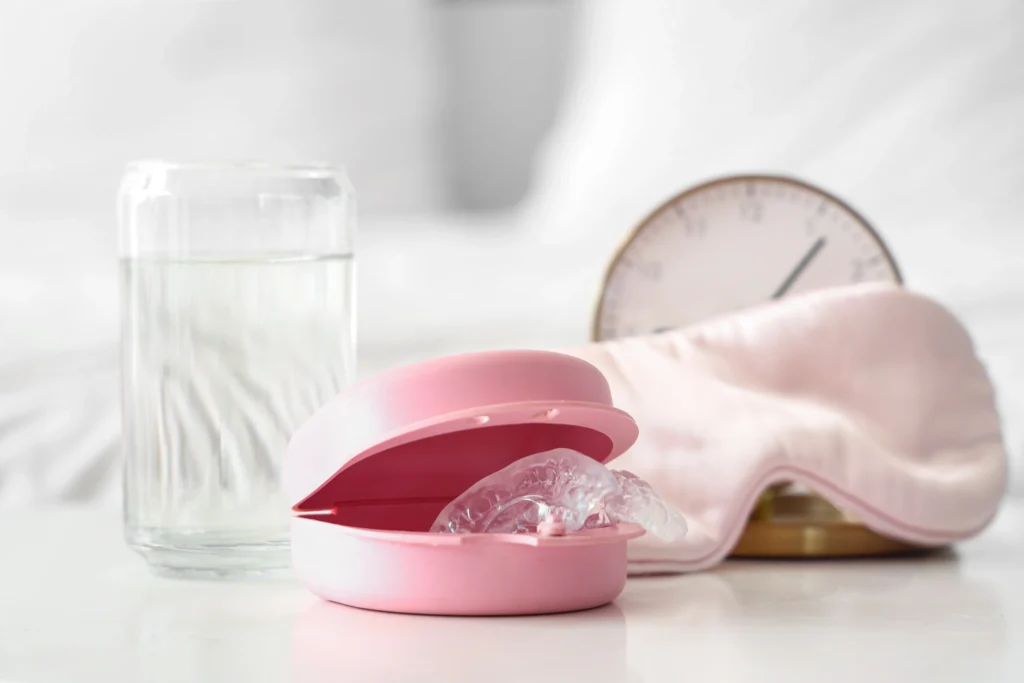
This table is a simple “what to do, what to avoid” reference for caregivers and patients.
| Task | Best Practice | Avoid This |
| Daily rinse | Cool or lukewarm water | Hot water that can warp fit |
| Daily brushing | Soft brush, light pressure | Hard scrubbing that scratches |
| Toothpaste | Non-abrasive if used | Whitening or gritty pastes |
| Storage | Fully dry, ventilated case | Sealed wet container |
| Deep clean | Dentist-approved soak if needed | Bleach or harsh chemicals |
If the guard starts smelling quickly even with cleaning, it may be time for a professional check. Sometimes the case is the culprit, not the guard.
Common Mistakes That Make Bite Guards Dirtier
Many people are doing “a routine,” but not an effective one. Here are the most common problems that undermine how to clean dental bite guard:
- Storing the guard while still wet
- Using hot water to “sterilize” it
- Using harsh cleaners that degrade the material
- Skipping the case cleaning
- Leaving the guard in direct sunlight or a hot car
A bite guard case should also be rinsed, brushed lightly, and fully dried. A clean guard stored in a dirty case is like putting fresh laundry back into a gym bag.
How to Clean Dental Bite Guard When Someone Resists Care
If a caregiver is cleaning a guard for someone who is confused, overwhelmed, or resistant, the method matters as much as the materials. The goal is calm predictability.
Caregiver-friendly tips:
- Use the same words every time, short and consistent
- Keep the steps visible and simple
- Clean it in the same location daily
- Offer a brief “show and tell” rather than a long explanation
If the bigger challenge is oral care itself, this guide on how to stop teeth grinding in dementia can help caregivers connect routines, discomfort, and stress triggers.
Who Dental Home Services Is and Why In-Home Support Helps
For many families, the biggest barrier is not knowledge. It is logistics. Seniors may have limited mobility. Homebound patients may not tolerate travel well. Dementia can make office visits confusing and exhausting.
Dental Home Services provides mobile dentistry across New Jersey and parts of New York, bringing care to the home and senior living settings when traveling to an office is difficult. Families can learn what an in-home visit can include through the services page, especially when the goal is reducing stress while still getting professional evaluation.
If a caregiver wants to hear what other families experienced, the reviews page can help set expectations for what in-home care feels like.
For more caregiver-friendly education, the site’s blog offers related topics that can support daily routines.
If it’s easier to speak directly, calling 1-800-842-4663 is a straightforward way to ask what information to have ready and whether the bite guard should be brought to an in-home appointment.
How to Clean Dental Bite Guard and Know When It Needs Replacement
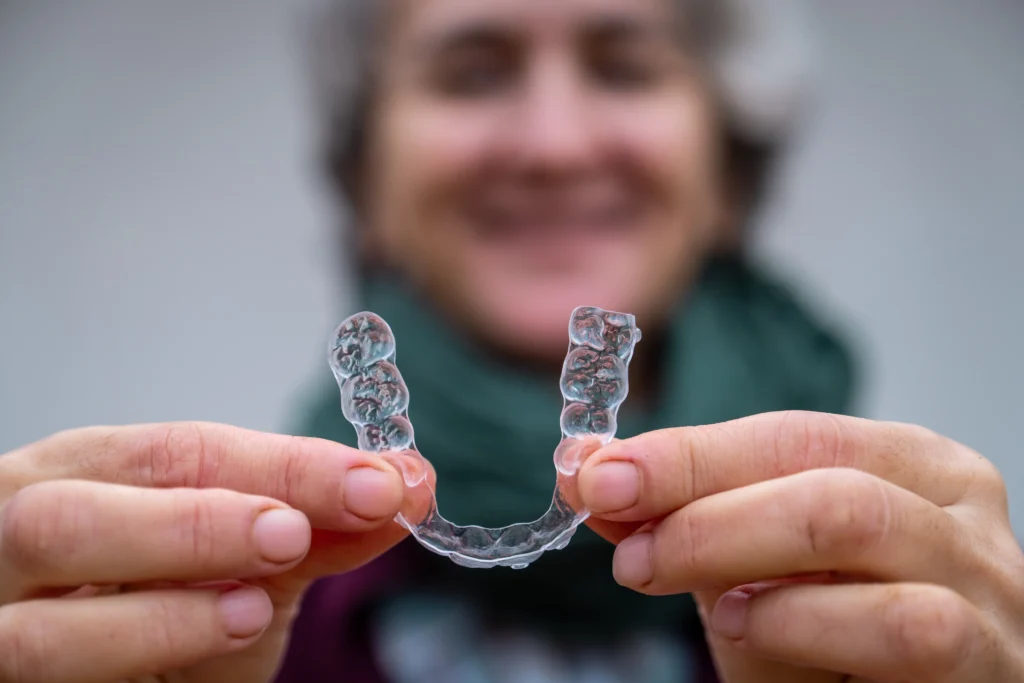
Even with perfect cleaning, guards wear out. A guard that is cracked, sharply rough, or no longer fits snugly can stop protecting the teeth effectively.
Signs it may need professional evaluation:
- Visible cracks or tears
- Warping or rocking when seated
- Persistent odour that returns immediately
- Rough edges that irritate gums
- New discomfort when biting down
When fit changes, people may clench harder without realising it, which can increase risk of tooth damage. That’s another reason how to clean dental bite guard pairs naturally with “when should someone check this?”
A Practical Next Step for Learning How to Clean Dental Bite Guard
A great cleaning plan is the one that happens consistently. For most people, the simplest routine wins.
A realistic plan:
- Daily rinse and gentle brush
- Full air-dry before storage
- Weekly deep-clean if recommended
- Keep the case clean and dry
- Schedule a check if fit, smell, or comfort changes
When a caregiver is supporting an older adult or homebound patient, getting guidance in the home can make routines easier to maintain over time.
Frequently Asked Questions About How to Clean Dental Bite Guard
How to Clean Dental Bite Guard Daily Without Overcomplicating It
Rinse it right away, brush gently with a soft toothbrush, rinse again, and let it fully air-dry before storing.
How to Clean Dental Bite Guard if It Smells Even After Cleaning
Check the case first. If the smell returns quickly, the guard may need professional evaluation or a different cleaning approach recommended for that specific material.
Can Toothpaste Damage a Bite Guard?
Some toothpastes are abrasive and can scratch certain materials. Scratches can trap buildup, making odours and film worse.
How to Clean Dental Bite Guard for Someone With Dementia Who Resists Care
Keep the routine consistent, use short phrases, and clean it at the same time and place each day. If grinding is severe, it can help to discuss comfort triggers and care options with a professional.
Who Can Help With Bite Guard Questions for Homebound Patients in NJ and Parts of NY?
Caregivers can ask Dental Home Services about in-home support for seniors and homebound adults.
Important Dental Disclaimer for How to Clean Dental Bite Guard
This article is for educational purposes only and does not provide medical or dental advice. For personalised guidance, diagnosis, or treatment, consult a licensed dental professional. If there is severe pain, facial swelling, fever, uncontrolled bleeding, trouble swallowing, or any urgent concern, seek emergency medical care right away.