
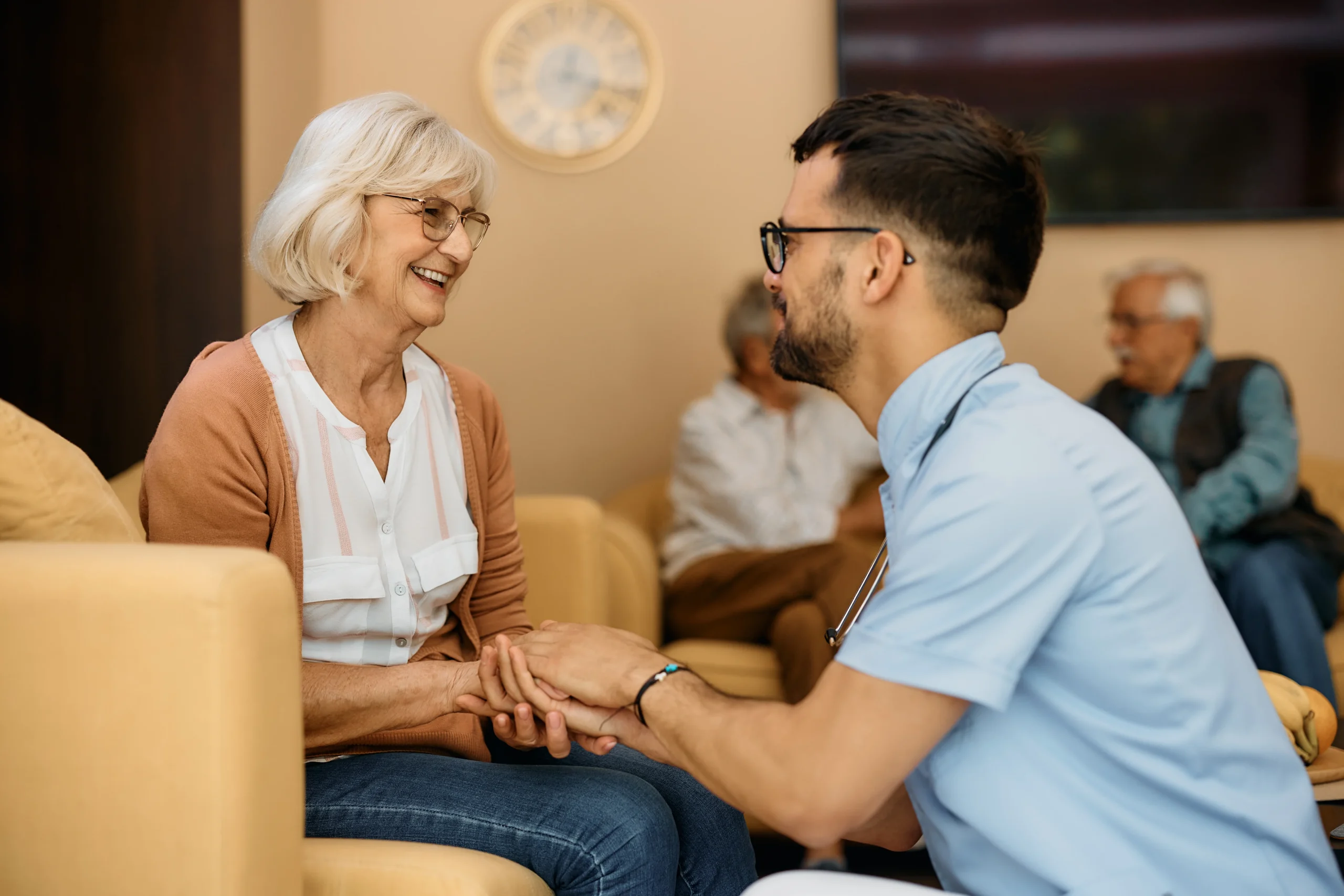
When a loved one needs clinical-level support, keeping them in the home they know — surrounded by family, comfort, and familiarity — is often the best outcome for everyone. Professional home health care makes that possible, delivering skilled medical and personal support without the disruption of a facility move. If you’re weighing care options for a family member in New Jersey or New York and wondering what’s realistic, affordable, and truly effective, you’re in the right place.
Add a visiting dentist to your care plan here!
What Professional Home Health Care Actually Includes
Staying home while receiving expert care isn’t a compromise — it’s often the best clinical and emotional outcome available. Professional home health care goes well beyond companionship or light housekeeping, offering a medically informed approach to supporting individuals in their own homes.
Services typically include:
- Skilled nursing (wound care, medication management, vital monitoring)
- Personal care (bathing, grooming, mobility assistance)
- Companion care (social engagement, emotional support)
- Homemaker support (meal preparation, light household tasks)
- Post-hospital recovery (transitional care after surgery or acute illness)
- Visiting dental services (mobile check-ups, cleanings, and minor procedures)
- Dementia and Alzheimer’s care (behavioral management, safety supervision)
Care is never one-size-fits-all. Every plan begins with an intake evaluation that identifies the patient’s specific needs, diagnoses, and goals — allowing the clinical team to build a care plan around a real person, not a checklist. From there, a team-based approach addresses shifting conditions and accounts for the unique needs of homebound patients.
Who Benefits Most from Professional In-Home Health Care Services
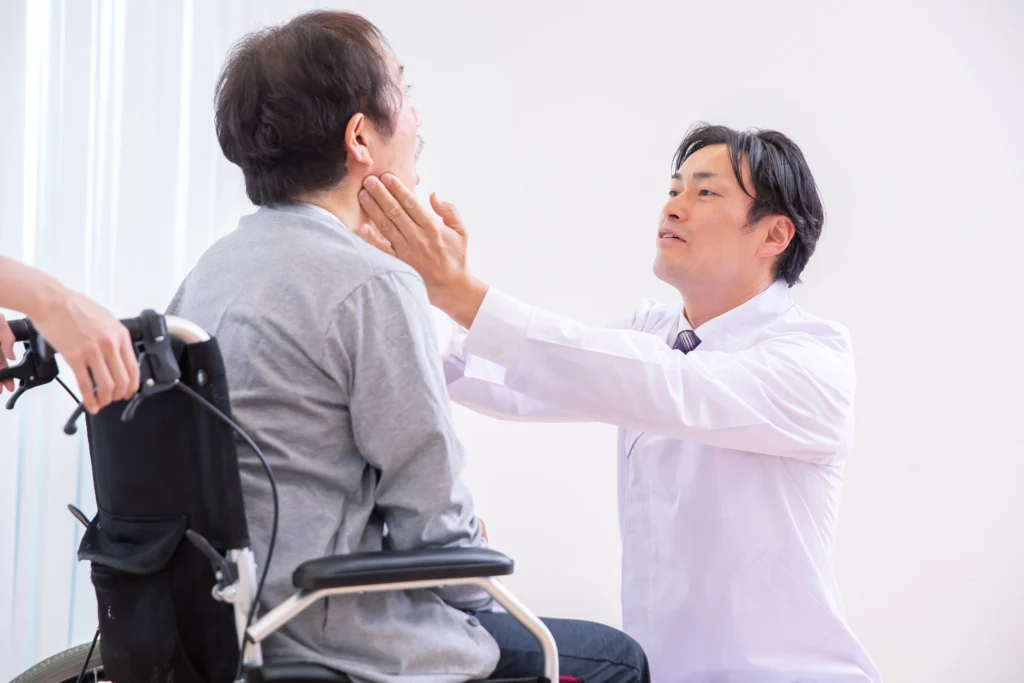
In-home care for seniors and adults with complex needs is most effective when matched carefully to condition and life stage. The people who benefit most include:
- Older adults who want to age in place safely
- Individuals recovering from surgery, stroke, or hospitalization
- Individuals living with Alzheimer’s or dementia who need behavioral management and safety supervision
- Adults managing chronic conditions like heart failure, COPD, or diabetes
- Individuals with physical disabilities requiring daily assistance
Caregivers trained in dementia care techniques can help manage behavioral symptoms and reduce family stress. This is a meaningful distinction from generic companion services.
Here’s how advanced professional home health care compares to institutional alternatives:
| Criteria | Professional Home Health | Assisted Living | Nursing Home |
| Cost (general range) | Lower to moderate | Moderate to high | Highest |
| Level of independence | Highest | Moderate | Low |
| Medical oversight | Skilled nursing available | Limited on-site nursing | Full medical staff |
| Social engagement | One-on-one, family-centered | Group programming | Structured group setting |
For many eligible individuals, home care delivers the highest independence at a lower cost than facility-based alternatives — a distinction hospice coordinators and home health care professionals emphasize when helping families plan next steps.
Professional Hospice Centers in New Jersey and New York City
Dental Home Services is available across all of New Jersey and Parts of New York, serving all kinds of care homes and situations where patients would have difficulty accessing a traditional dentist’s office. For families in New Jersey and New York exploring the full continuum of care, the following hospice centers serve the regions where we maintain location pages:
New Jersey Hospice Centers
Trinitas Regional Medical Center Hospice — Elizabeth, NJ
Overlook Medical Center Hospice — Summit, NJ
Hackensack Meridian Health Hospice — Hackensack, NJ
Holy Name Medical Center Hospice Care — Teaneck, NJ
Atlantic Health System Hospice — Morristown, NJ
Barnabas Health Hospice and Palliative Care — Livingston, NJ
Samaritan Hospice — Voorhees, NJ
Samaritan Hospice — Moorestown, NJ
Capital Health Hospice — Trenton, NJ
New York Hospice Centers
Staten Island University Hospital Hospice — Staten Island, NY
United Hospice — New City, NY
Hospice of Orange & Sullivan Counties — Newburgh, NY
Caregiver Qualifications and What Sets a Trained Professional Apart
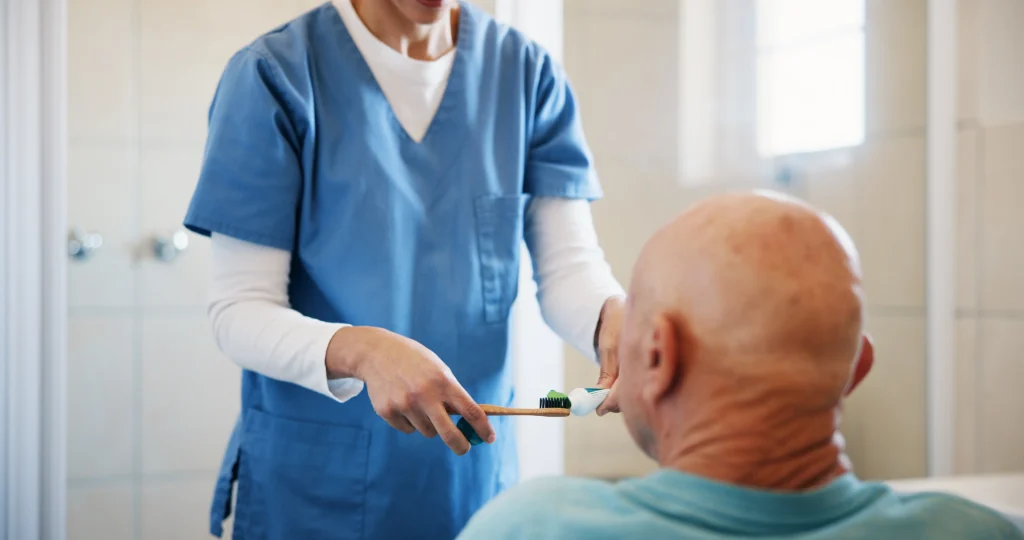
The caregivers entering your home should meet clear, verifiable standards — and the best providers go beyond the minimum. The professional home health care credential hierarchy moves from Personal Care Aides (PCA) and Home Health Aides (HHA) through Certified Nursing Assistants (CNA), Licensed Practical Nurses (LPN), and Registered Nurses (RN), each with expanding clinical authority.
For Home Health Aides, the New York State Education Department (NYSED) sets baseline training benchmarks: 75 classroom hours, 16 practicum hours, and 12 continuing education hours annually. These are floor standards — qualified professional home health care services providers train beyond these minimums, with condition-specific modules and supervised field hours.
When evaluating any provider, ask about background check protocols, reference verification, and whether caregivers have experience with your loved one’s specific diagnosis. Qualified providers train caregivers in condition-specific modules covering behavioral changes, mobility decline, and medical escalation protocols — that adaptability, responding to a patient’s shifting mood, mobility, or medical status in real time, separates a trained professional from a well-meaning volunteer.
State licensing requirements vary across New Jersey and New York. Always confirm your provider holds current authorization from the relevant state licensing body before care begins.
Payment Options and What Professional Home Health Services Cost
Professional home health services are accessible through several payment channels, and understanding your options removes one of the biggest barriers families face.
| Payment Source | Who Qualifies | What It Covers |
| Medicare | Homebound patients with skilled care need | Skilled nursing, therapy, limited aide hours |
| Medicaid | Income generally at or below ~$28,000/yr | Personal care, home health aide services |
| Private Pay | Anyone | Full range of customized in-home care services |
| Veterans Benefits (VA) | Eligible veterans | In-home health care and aide support |
| Long-Term Care Insurance | Policyholders | Varies by plan; often covers home care |
According to Statista, the home health care market continues expanding as more families seek alternatives to institutional settings — reflecting growing demand and infrastructure for in-home health care.
Personal care services through private pay typically start around $20–$28 per hour, depending on geography and hours needed. Skilled nursing visits are priced separately and vary by clinical complexity. Medicaid eligibility generally begins at a threshold of $28,000 per year for individuals, though thresholds differ by state and household size.
How Our In-Home Care Supports the Whole Family — Not Just the Patient
For many New Jersey and New York families caring for a loved one who cannot easily access traditional clinical settings, professional home care changes the entire household dynamic — not just the patient’s experience.
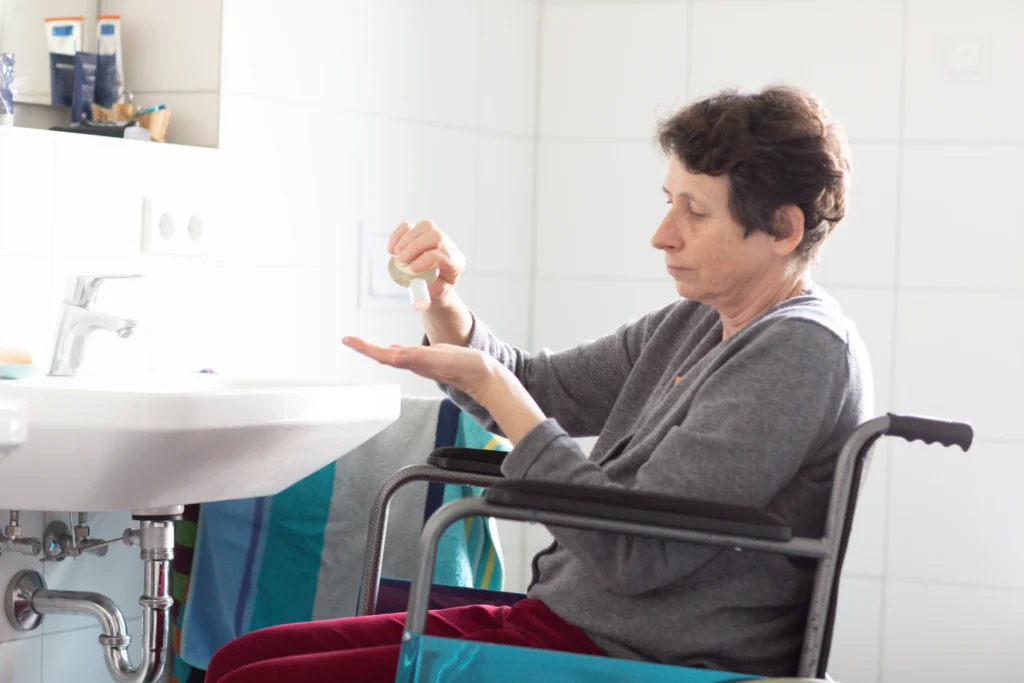
When a family in northern New Jersey was managing a parent’s post-stroke recovery alongside full-time work and their own children’s schedules, informal caregiving had pushed them toward burnout. Bringing in a professional home care team — with scheduled relief hours, caregiver education, and direct communication with the patient’s neurologist — gave them breathing room they hadn’t had in months.
Respite care is a documented tool for reducing family caregiver burnout, and it’s built into how structured in-home care operates. Families receive scheduled respite hours, direct clinician communication, and caregiver education sessions covering behavioral symptoms, mobility changes, and medication routines at home. Caregivers can find more information and tips about these responsibilities on the geriatric dentistry blog.
This is a partnership. Compassionate in-home care, including geriatric dentistry, keeps families meaningfully involved — without leaving them to carry everything alone.
Choosing the right care for a loved one is one of the most consequential decisions a family makes. Professional home health care makes it possible to receive clinical, compassionate support without sacrificing the comfort, dignity, or independence of home. Whatever your loved one’s condition or stage of life, the right team and the right plan can make staying home the best option available. Contact us to schedule a care assessment for your family.
Important Disclaimer
This material is strictly for educational purposes and does not constitute medical or dental advice. Always adhere to your implant provider’s specific guidelines regarding medications, dietary restrictions, activity levels, and scheduled follow-up appointments. In the event of severe pain, fever, facial swelling, uncontrolled bleeding, difficulty breathing or swallowing, or any other acute concern, immediately seek emergency medical attention.