
Knowing how to reduce gum swelling quickly can make a painful day feel more manageable. Swollen gums often start as a small warning. The tissue looks puffy. Brushing stings. A loved one who usually eats well suddenly avoids one side of the mouth. For older adults, homebound patients, and people living with dementia, that small change can turn into a much bigger problem if it is missed. Dental Home Services provides in-home dental care for seniors, homebound patients, and people with special needs, and its team serves New Jersey and parts of New York with portable equipment and a wide range of treatments.
Families often want fast relief first, which is understandable. Still, reducing gum swelling quickly is not really about forcing the swelling down. It is about calming irritation, avoiding the steps that make the tissue angrier, and noticing when the mouth is signaling infection or gum disease. Dental Home Services offers mobile dental services that include exams, cleanings, X-rays, fillings, extractions, treatment of gum infections, and emergency care in the home or assisted living setting. To arrange a visit, families can use the contact page or call 1-800-842-4663.
What Swollen Gums Usually Mean
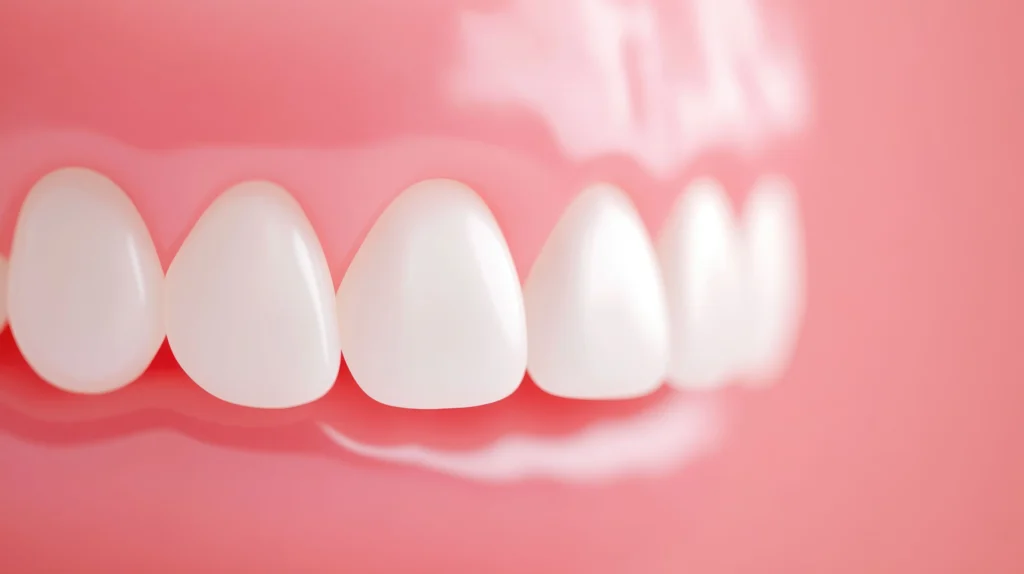
The simplest answer to how to reduce gum swelling quickly is this: first figure out what the swelling is trying to tell you. According to the Mayo Clinic, gingivitis is a common, mild form of gum disease that can cause irritation, redness, swelling, tenderness, and bleeding, especially during brushing or flossing. Mayo Clinic also notes that it should be treated promptly because untreated gingivitis can progress to periodontitis and tooth loss.
That does not mean every swollen gum is a dental emergency. Food stuck between teeth, plaque at the gumline, dry mouth, rough brushing, ill-fitting dentures, or an irritated area around one tooth can all create puffiness. If the swelling is focused between two teeth, the more specific guide on swelling of gums in between teeth can help families think through likely causes and next steps in a calmer, more practical way.
How to Reduce Swelling in Gums Quickly Without Making It Worse
When families ask how to reduce swelling in gums quickly, the safest first step is almost always gentleness. Use a soft toothbrush. Slow the motion down. Do not scrub. Do not “dig” at the tissue with a fingernail, toothpick, or hard floss snap. The goal is to remove irritants without turning the gumline into a battlefield.
A good next step is to clean the area consistently for a day or two instead of aggressively for ten minutes once. Mayo Clinic says good oral health habits, including brushing at least twice a day and flossing daily, help prevent and reverse gingivitis. If plaque is the spark, steady hygiene is what takes away the fuel. For households trying to build a better daily routine after this flare-up settles, the guide on how to improve gum health quickly is a useful follow-up.
For some people, a mouthrinse can be a helpful add-on, but it is not the star of the show. The American Dental Association explains that mouthrinses may offer additional benefit for gum disease risk, but they do not replace proper brushing and flossing. The ADA also advises choosing over-the-counter rinses with the ADA Seal of Acceptance when possible.
That matters when families ask how to quickly reduce gum swelling with something from the bathroom cabinet. A rinse may support the routine, especially if brushing feels sore, but it should be used as a helper, not as a disguise. A systematic review indexed on PubMed found that essential-oils mouthrinse showed an effect on plaque and gingivitis beyond the control solution studied. Another clinical trial archived in PubMed Central reported reduced plaque and gingival index over 21 days in plaque-induced gingivitis treatment groups. Those findings support the idea that lowering plaque and inflammation helps, but they do not turn a rinse into a substitute for diagnosis when symptoms are worsening.
How to Quickly Reduce Swelling of Gums for a Homebound Older Adult
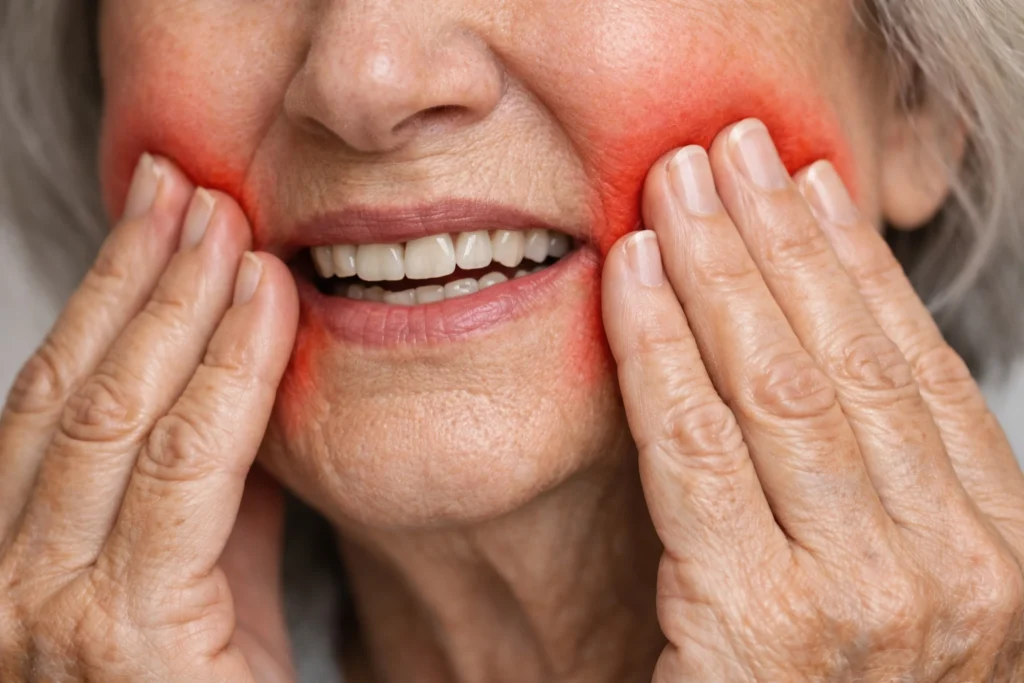
For a homebound older adult, how to quickly reduce swelling of gums has extra layers. Dry mouth may be worse. Dexterity may be lower. Dentures or older dental work can trap plaque more easily. Dementia can turn a five-minute brushing routine into a negotiation with no clean ending.
That is one reason older adults deserve faster attention, not slower attention. Healthy People 2030 reports that 44.5% of adults aged 45 years and over had moderate and severe periodontitis in the 2015 to 2016 baseline data, and the program notes that gum disease can lead to tooth loss and affect eating and speaking. The same federal resource notes that smoking and diabetes raise periodontitis risk. In other words, gum inflammation in an older adult is not a tiny side issue. It can sit inside a larger health picture.
For caregivers, that changes the tone of the decision. If a younger, healthy person has a mildly irritated spot after popcorn, watching it for a day may be reasonable. If an older adult is medically fragile, has diabetes, cannot brush well, or has a history of gum disease, how to reduce swelling in gums quickly should lean much more toward early professional assessment.
How to Quickly Reduce Gum Swelling When Brushing Hurts
Sometimes how to quickly reduce gum swelling becomes tricky because the person is already avoiding the area. The gum bleeds. The toothbrush is refused. A caregiver gets one look inside the mouth and immediately understands why breakfast took twice as long.
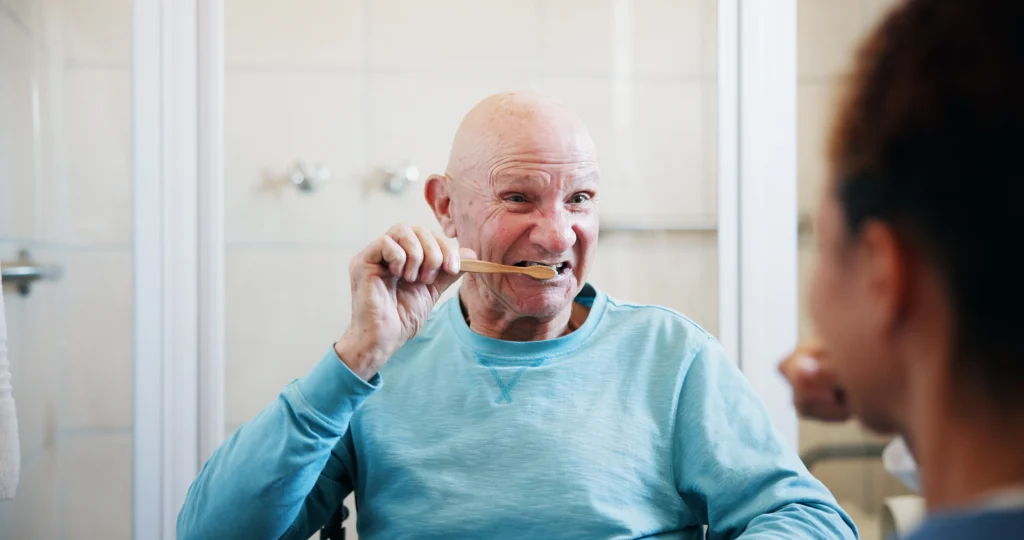
In that moment, think “smaller and steadier,” not “harder and deeper.” Clean the teeth gently. Try shorter sessions. Offer a break and come back. Avoid very hard, sharp, or spicy foods that rub the tissue. Watch whether the swelling improves, stays the same, or spreads. The pattern tells the story better than one dramatic snapshot.
This is also where plaque matters. The PubMed Central trial on plaque-induced gingivitis describes plaque biofilms as the prime requirement for starting gingivitis and notes that unchecked inflammation can progress toward periodontitis. In plain language, swollen gums are often not random. They are the visible edge of a process that has been building quietly for days or weeks.
When How to Reduce Gum Swelling Quickly Stops Being a Home-Care Question
There is a point where how to reduce gum swelling quickly stops being a home remedy question and becomes a “call the dentist now” question. Mayo Clinic advises prompt dental evaluation when symptoms of gingivitis appear, especially because earlier care offers a better chance of reversing damage before it progresses.
Call sooner if the swelling is paired with any of these:
- bleeding that keeps returning
- pain that is building instead of easing
- swelling that spreads into the cheek or jaw
- pus, drainage, or a bad taste that lingers
- a loose tooth or sudden difficulty chewing
- fever or visible facial swelling
- a person with dementia or limited speech who is pushing food away, pulling at the mouth, or refusing hygiene
If the swelling seems tied to memory loss, poor oral intake, or reduced ability to brush, these two caregiver resources can help fill in the bigger picture: dental plaque and dementia and how to clean teeth of dementia patient. Both are especially relevant when how to quickly reduce swelling of gums is only part of a larger daily care challenge.
How to Reduce Gum Swelling Quickly With Professional In-Home Care
Sometimes the best answer to how to reduce gum swelling quickly is not another trick. It is bringing skilled care into the room before the problem escalates. Dental Home Services says it has decades of experience treating wheelchair-bound, bedridden, and special-needs patients, and its service page lists gum infection treatment, cleanings, X-rays, emergencies, and restorative care among the services it can provide at home. The company also notes that it has been chosen as the dental treatment provider for more than 350 assisted living facilities throughout New Jersey.
That kind of setting matters. A home visit lets the dentist see the patient where the problem is actually happening: the real chair, the real lighting, the real medication routine, the real brushing limitations, the real denture cup on the bedside table. For many families, that removes the logistics storm that otherwise delays care. Dental Home Services also highlights its long-standing reach across New Jersey and parts of New York and offers educational support through its blog. Families who want reassurance before booking can also read reviews from patients and caregivers who describe the team’s traveling dental care experience.
How to Reduce Gum Swelling Quickly Starts With Calm, Gentle Action
The most reliable answer to how to reduce gum swelling quickly is not panic and it is not guesswork. It is calm observation, gentle cleaning, smart escalation, and professional help when the mouth is showing signs that the issue is deeper than surface irritation. That approach protects comfort, but it also protects nutrition, communication, and dignity, especially for seniors and homebound adults whose symptoms can be easy to miss until they become disruptive.
When the swelling is mild, consistency may settle it. When the swelling is persistent, spreading, or tied to pain, bleeding, or behavior changes, the better move is to stop experimenting and get expert eyes on it. That is how how to reduce gum swelling quickly turns from a frantic internet phrase into a practical care decision that actually helps.
Frequently Asked Questions About How to Reduce Gum Swelling Quickly
How to Reduce Swelling in Gums Quickly if Food Is Stuck Between Teeth?
If food is trapped, gentle cleaning is the move. Brush softly, floss carefully, and do not jab the gum with sharp objects. If the tissue stays swollen, bleeds often, or starts hurting more, it may be more than a food trap and should be evaluated.
How to Quickly Reduce Gum Swelling if the Area Bleeds Every Time?
Repeated bleeding points toward inflammation, not just irritation. Mayo Clinic lists swollen, tender gums that bleed easily as common signs of gingivitis, so a pattern of bleeding deserves prompt dental attention rather than repeated hard scrubbing at home.
How to Quickly Reduce Swelling of Gums Around One Tooth?
A single swollen area can come from trapped debris, plaque buildup, or a local infection. Gentle hygiene is appropriate at first, but one-sided swelling that worsens, develops drainage, or affects chewing should be checked professionally.
Can a Homebound Senior Get Help With How to Reduce Gum Swelling Quickly in New Jersey or Nearby New York?
Yes. In-home dentistry is often the safest route when travel is difficult or symptoms are escalating. The last point of contact many families need is simple: Dental Home Services provides mobile dental care across New Jersey and parts of New York.
Disclaimer: This article is for informational purposes only and is not a diagnosis or a substitute for professional dental or medical care. If gum swelling is severe, worsening, or paired with facial swelling, fever, drainage, or significant pain, seek prompt professional care.