
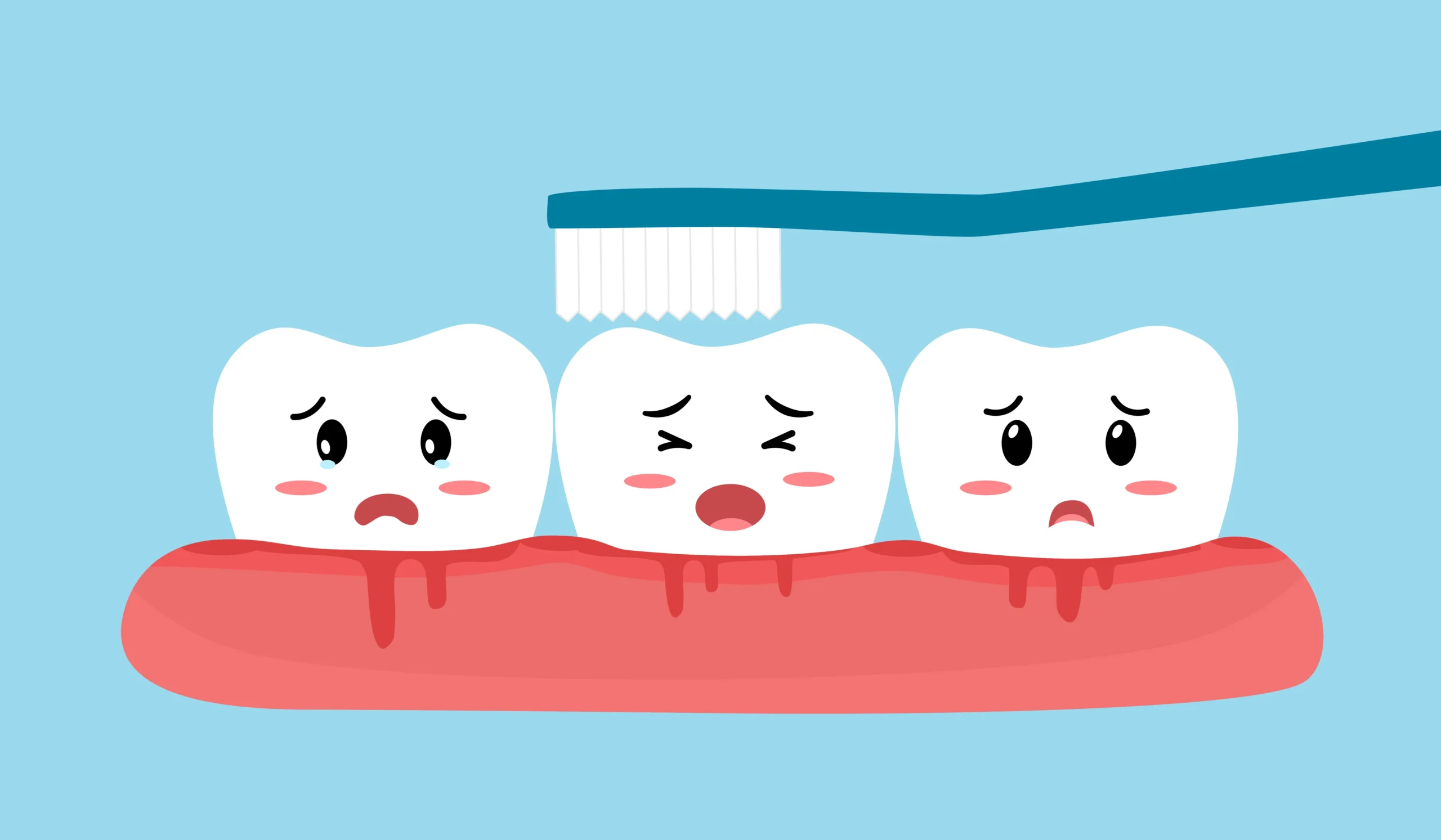
It often shows up during a routine moment. A caregiver helps with brushing, and the gum between two teeth looks puffy. The person winces. They might not explain it clearly, especially if memory or communication is changing. Suddenly, swelling of gums in between teeth is not a “someday” concern. It is a concern today.
If it would help to get clear guidance in the home, families can request an in-home visit and talk through what is safe to do now, what to watch, and what should be checked professionally.
Swelling of gums in between teeth can happen for a simple reason like trapped food. It can also be an early sign of gum disease or infection. The goal is not to guess. The goal is to act calmly and prevent things from getting worse.
Swelling of Gums in Between Teeth: What This Symptom Can Mean
Swelling of gums in between teeth usually affects the small wedge of gum tissue between two teeth. This area is easy to irritate. It is also easy to miss until it hurts.
Common causes include:
- Food stuck between teeth
- Plaque buildup that irritates the gumline
- Brushing or flossing that is too aggressive
- Dry mouth that makes gums more sensitive
- Early gum disease changes
The CDC describes gum disease as a broad term that includes gingivitis and periodontitis. It involves “infection and inflammation of the tissues” around the teeth. (CDC)
That matters because swelling of gums in between teeth can be one of the first visible clues that inflammation is building.
Irritated Gum Around Tooth: The Most Common “Everyday” Triggers
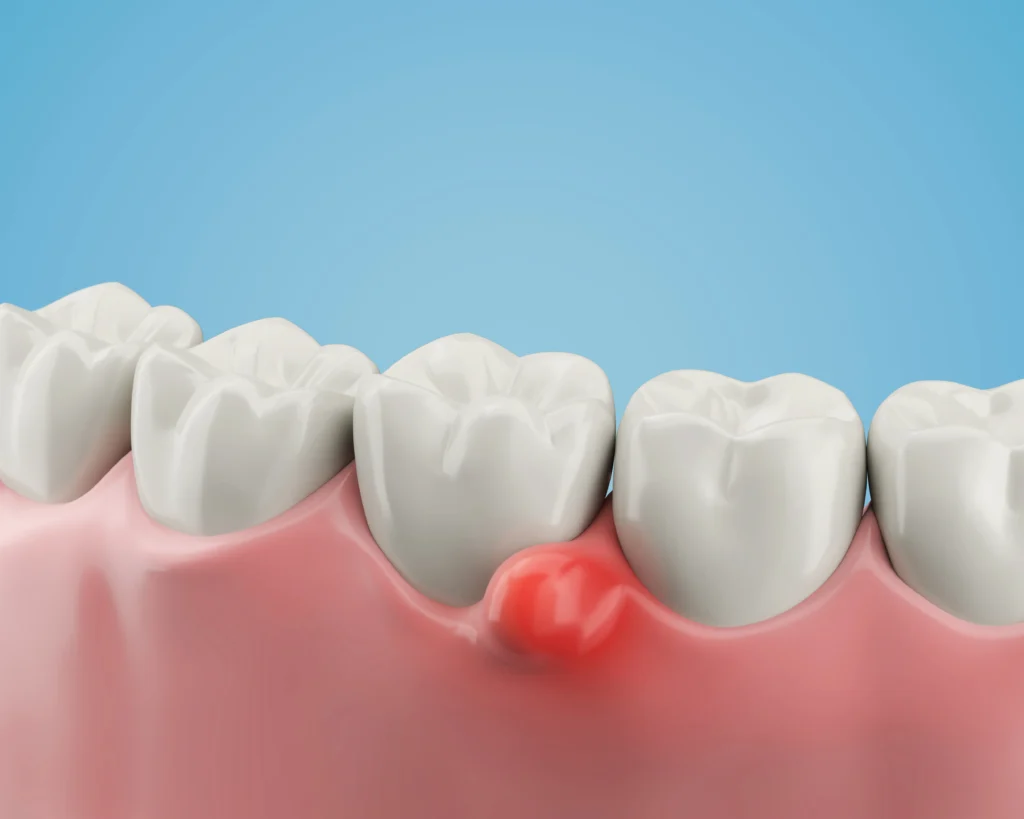
An irritated gum around the tooth can look dramatic even when the cause is straightforward. Caregivers often make it worse by scrubbing harder. The better approach is gentle cleaning and pattern spotting.
1. Food trapping in one tight spot
If gums swollen between teeth appeared after a meal, a food fragment may be wedged in place. Popcorn hulls, meat fibres, seeds, and soft bread can all irritate the gum tissue between teeth.
Safer next step:
- Rinse gently with warm water
- Floss slowly, without snapping
- Avoid toothpicks that can cut the gum
2. Floss “snap” and overbrushing
An irritated gum around tooth often starts when floss is forced down quickly and snaps into the gum. Hard brushing can do the same thing, especially along the gumline.
If dementia or limited dexterity is part of the picture, flossing can be especially tricky. The guide on flossing teeth with dementia can help caregivers use safer techniques that reduce resistance and irritation.
3. Plaque sitting in one area
If swelling of gums in between teeth keeps returning in the same spot, plaque may be collecting there. This is common with crowded teeth, older dental work, or when brushing is inconsistent due to fatigue.
The page on dental plaque and dementia can be a helpful resource for caregivers, especially when daily hygiene changes after a diagnosis.
Inflamed Bottom Gums: Why the Lower Jaw Often Flares Up
Inflamed bottom gums are common for a few reasons. The lower front teeth collect plaque easily. Saliva ducts open in the lower mouth. If someone breathes through their mouth or takes medications that dry the mouth, irritation can build quickly.
Inflamed bottom gums may show up as:
- Tenderness during brushing
- Bleeding when flossing
- Swelling of gums in between teeth along the lower front teeth
- A “tight” feeling when pulling down the lip
Dry mouth is often part of this story, and it can make gums feel more fragile. If the person also has tooth sensitivity or new rough areas, it can help to review how quickly cavities form so caregivers understand why dryness and plaque changes can affect both gums and teeth.
Gums Swollen Between Teeth: A Safe Home Plan for the Next 72 Hours
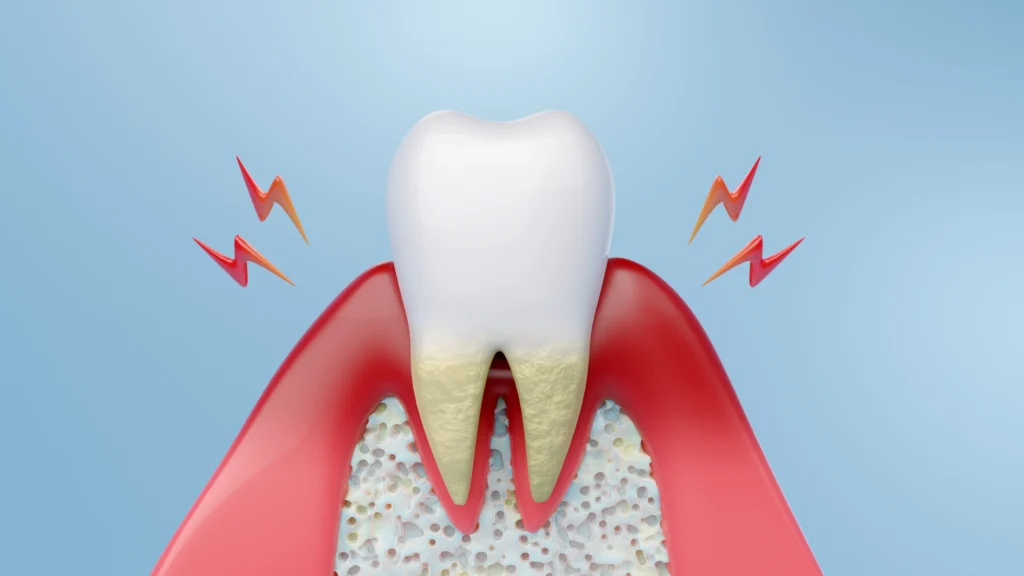
When gums swollen between teeth appear, families usually want a clear plan that does not feel like a gamble. This table separates safe steps from common mistakes that increase irritation.
| What to Do Now | Why It Helps | What to Avoid |
| Warm water rinses after meals | Soothes tissue and helps clear debris | Alcohol-heavy mouthwash that stings |
| Soft brushing with light pressure | Cleans without tearing gum tissue | Scrubbing harder to “fix” swelling |
| Gentle flossing, slow movement | Removes trapped food and plaque | Snapping floss into the gum |
| Note the exact location and timing | Identifies patterns and triggers | Ignoring recurring swelling |
| Choose softer foods briefly | Reduces rubbing and pressure | Crunchy foods that wedge between teeth |
If swelling of gums in between teeth is improving over a couple of days, that is a good sign. If it is worsening, spreading, or paired with strong pain, it is time to escalate.
If the household needs support in the home, the team’s mobile dental services can help families get assessment and guidance without the stress of travel.
Gums Swollen Over Teeth: When the Gumline Looks Puffy or “Rolled”
Gums swollen over teeth can look like the gum is puffing up over part of a tooth. Sometimes that is due to plaque-related inflammation. Sometimes it is irritation from brushing too hard. Sometimes it is swelling around a sharp edge or damaged tooth.
If gums swollen over teeth is paired with a tooth that looks compromised, that deserves careful attention. A broken or decayed tooth edge can irritate the gum and trap debris.
If a caregiver is seeing swelling along with a visibly damaged tooth, the resource on a decayed tooth that broke off at the gum line can help clarify why gum swelling and tooth structure issues often show up together.
Gums Swollen on One Side of Mouth: When to Pay Closer Attention
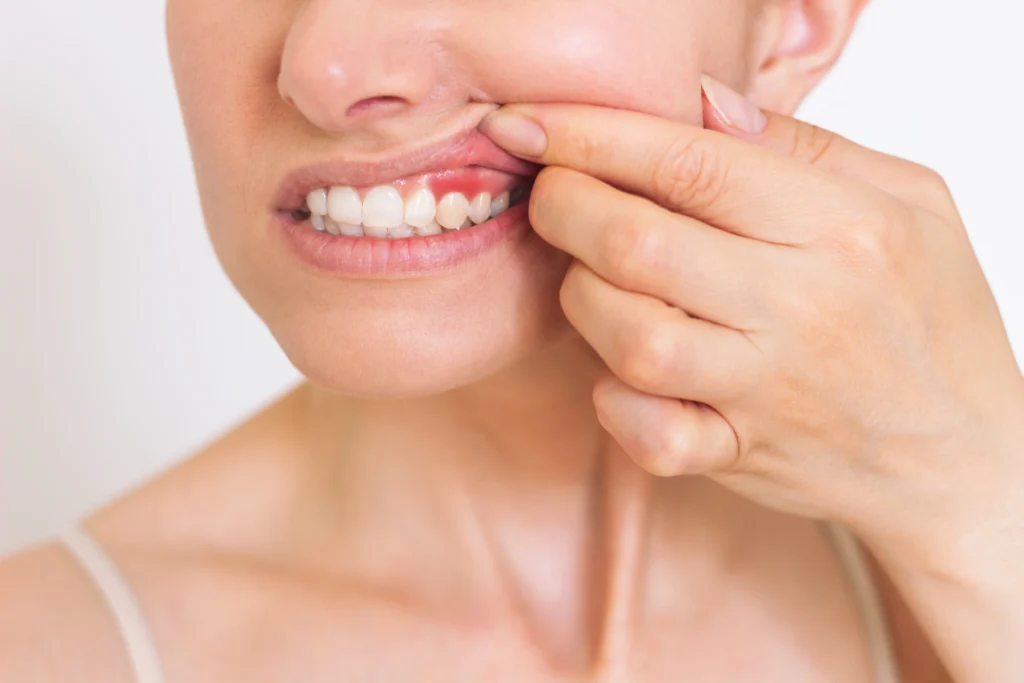
Gums swollen on one side of mouth can happen for simple reasons. Chewing mostly on one side. Brushing harder on a dominant side. A single food trap. But one-sided swelling also deserves a closer look because it can point to a specific tooth or gum pocket causing trouble.
Seek timely evaluation if gums swollen on one side of mouth is paired with:
- Throbbing pain that is getting worse
- Facial swelling
- Fever or feeling unwell
- A persistent bad taste
- Pain when biting down
If the person cannot describe pain well, the caregiver may notice behaviour changes instead. The guide on dementia and tooth pain can help families recognize nonverbal cues, like face-touching, appetite changes, or agitation during brushing.
If a caregiver wants to talk through next steps quickly, calling +1 800 842 4663 can be a simple way to ask what an in-home assessment might involve.
Swelling of Gums in Between Teeth and Gum Disease: What the Data Suggests
Swelling of gums in between teeth can be a quick irritation that settles down in a day or two. It can also be a sign of gum disease, which often builds quietly before it feels urgent. To keep the source clear throughout this section, the definitions and statistics below come from the CDC’s fast facts on gum disease.
The first stage to know is gingivitis. The CDC explains that “Gingivitis is the mildest type of gum disease” and that signs include “red, swollen, or easily bleeding gums.” (CDC) That is why swelling of gums in between teeth is worth noticing early, especially if the tissue bleeds when brushing or flossing. It can be the body’s early warning signal.
The encouraging part is that early inflammation can often be improved with the right routine and professional guidance. The CDC states gingivitis is “preventable and reversible with good oral hygiene… and professional treatment.” (CDC) For caregivers, that usually means focusing on gentle consistency rather than aggressive scrubbing. It also means getting a check if the swelling keeps returning to the same spot.
When gum disease advances, the stakes change. The CDC notes that “Periodontitis is a more serious type of gum disease that involves bone loss around teeth.” (CDC) That is one reason persistent swelling of gums in between teeth should not be brushed off, particularly if it is paired with worsening tenderness, recurring bleeding, or a bad taste that does not go away.
It is also more common than many families assume. The CDC reports, “Nearly half (42%) of all adults aged 30 years and older have periodontitis.” (CDC) For older adults and medically complex patients, routine dental visits can be difficult to coordinate, which makes early signs like gums swollen between teeth even more important to address quickly, while care can still be simpler.
Swelling of Gums in Between Teeth When Caregiving Is Involved
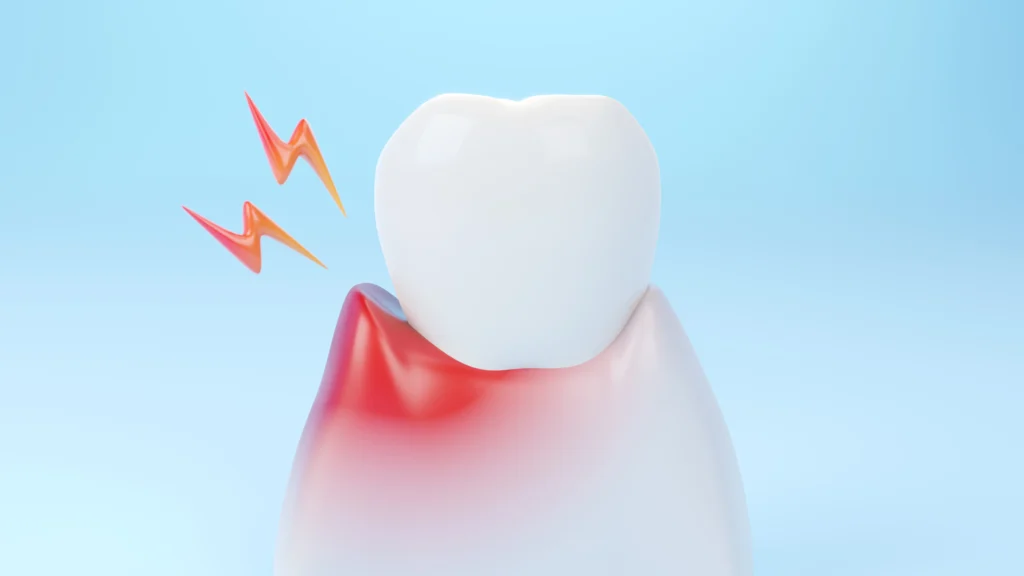
Swelling of gums in between teeth can be harder to catch in people who are elderly, homebound, or cognitively impaired. The first sign may not be a complaint. It may be refusal.
Caregivers might notice:
- Pushing away the toothbrush
- Chewing on one side
- Touching the cheek or jaw
- Spitting out food
- Waking up more at night
If daily cleaning is difficult, the guide on how to clean teeth of a dementia patient can offer practical approaches that reduce stress while still addressing plaque and gum health.
When a person is confused, routines must be simple. One-step instructions help. The same timing helps. A familiar face helps. That is also why many families prefer care delivered in the home, where the environment is predictable.
If caregivers want to see how other families describe the experience, the patient and caregiver reviews can be a helpful place to understand what home-based care feels like in practice.
Steadier Next Steps for Swelling of Gums in Between Teeth
Swelling of gums in between teeth is often the mouth’s way of asking for attention. Sometimes the fix is as simple as removing a food trap gently and improving consistency. Other times, swelling is a clue that gum disease or infection is developing.
A steady approach usually works best:
- Be gentle, not aggressive
- Watch the pattern, not just the symptom
- Escalate if swelling worsens, spreads, or returns often
For families coordinating home-based care, an in-home dental team can reduce the burden of travel and help caregivers get clear answers in a familiar setting.
Frequently Asked Questions About Swelling of Gums in Between Teeth
What Causes Swelling of Gums in Between Teeth After Eating?
Swelling of gums in between teeth after eating is often linked to a food trap or irritation. Gentle rinsing and careful flossing can help, but persistent swelling should be evaluated.
How Can an Irritated Gum Around Tooth Be Helped at Home?
An irritated gum around tooth is often helped by gentle brushing, careful flossing, and avoiding hard scrubbing. If the area becomes more painful or swollen, professional evaluation is recommended.
Are Inflamed Bottom Gums a Sign of Gum Disease?
Inflamed bottom gums can be caused by plaque buildup, dry mouth, or gum disease. The CDC notes that gingivitis signs include “red, swollen, or easily bleeding gums.” (CDC)
What Should Families Do if Gums Swollen Between Teeth Keep Coming Back?
If gums swollen between teeth keeps returning, it may mean plaque is collecting in a spot that is hard to clean, or gum disease is developing. A dental assessment can identify the cause and prevent progression.
What Does It Mean When Gums Swollen Over Teeth Look Puffy?
Gums swollen over teeth can reflect gumline inflammation, irritation from brushing, or swelling near a damaged tooth edge. If there is visible tooth damage, it should be checked.
When Are Gums Swollen on One Side of Mouth More Urgent?
Gums swollen on one side of mouth should be evaluated sooner if there is worsening pain, facial swelling, fever, or a persistent bad taste. Those signs can indicate a developing infection.
Who Can Help With Swelling of Gums in Between Teeth for Homebound Patients?
Families across New Jersey and parts of New York can ask Dental Home Services about in-home dental evaluations when travel is difficult.
Dental Health Disclaimer for Swelling of Gums in Between Teeth
This article is for educational purposes only and does not provide medical or dental advice. For diagnosis or treatment, consult a qualified dental professional. If there is severe pain, facial swelling, fever, uncontrolled bleeding, trouble swallowing, or any urgent concern, seek emergency medical care right away.