
12 Soft Foods That Actually Nourish You
If you’re trying to figure out what to eat with no teeth while waiting for dentures, the stakes are higher than most people realize. The waiting period can stretch from several weeks to several months, making nutrition a genuine concern — not just a minor inconvenience. According to a global study published in PubMed, oral disorders have reached 3.74 billion cases worldwide, reflecting a 35.54% incidence increase from 1990 to 2021. Research published in PMC found a direct association between the number of teeth a person has and their eating habits — underscoring why proper nutrition during this period matters so much.
The 12 foods below were selected based on four criteria: ease of eating without chewing, nutritional density, everyday accessibility, and comfort during gum sensitivity. Check out the importance of senior care if this topic is new to you, or if you have an aging parent you’re concerned about..
1. Scrambled Eggs — Protein-Packed and Practically Effortless

Scrambled eggs top this list because they check every box: zero chewing required when cooked soft and low, high-quality complete protein, B vitamins, and near-instant preparation. Protein matters especially during this period because extraction sites require amino acids to heal tissue properly, and muscle preservation depends on consistent protein intake throughout the day.
Cook them slowly over low heat until just set. Fold in soft cheese, a spoonful of cream, or mashed avocado to raise the calorie and healthy fat content without adding any texture that requires chewing.
2. Mashed Potatoes — Comforting, Filling, and Easy to Customize
Mashed potatoes work so well for a soft food diet because their texture is naturally smooth, their calorie density is useful during recovery, and they accept almost any flavor addition without becoming harder to eat. Use real butter, warm broth, or cream to reach a completely lump-free consistency — any residual lump can irritate tender gum tissue.
To boost nutrition, fold in pureed cauliflower for added vitamins, or stir in plain Greek yogurt for extra protein. Avoid leaving skins in — even small pieces can lodge against healing gum tissue. As a filling, satisfying base for foods for eating without teeth while waiting for dentures, mashed potatoes deserve a permanent spot on your weekly rotation.
3. Yogurt — A Soft Food That Supports Gut and Bone Health
Plain Greek yogurt offers protein, probiotics, and calcium in one food, making it a smarter choice than most other soft options for someone eating with no teeth. The calcium content is particularly relevant: while waiting for dentures, preserving jaw bone density matters, and consistent calcium intake supports that. Full-fat varieties provide more caloric satiety, which helps prevent unintentional weight loss.
Choose plain varieties with no granola, fruit chunks, or hard mix-ins. For palatability, layer with smooth pureed fruit or a drizzle of honey. For seniors without teeth, yogurt delivers probiotics that support digestive health, which can shift noticeably when the diet becomes restricted. It earns its place at breakfast, as a snack, or as a base for savory dressings.
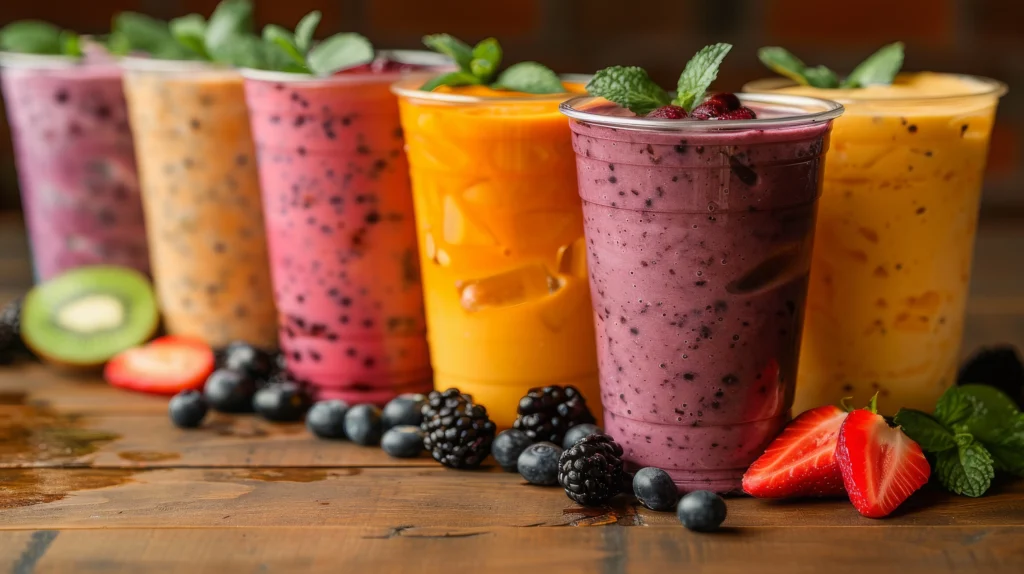
4. Smoothies — Your Best Tool for Hitting Daily Nutritional Goals
Smoothies are the most nutritionally flexible option on this list. A well-built smoothie can deliver vegetables, fruit, complete protein, and healthy fat in a single glass with zero chewing — making them essential for anyone on a no-teeth diet.
Build every smoothie using this framework:
| Component | Options | Purpose |
| Liquid base | Milk, oat milk, almond milk, plain yogurt | Texture and calcium |
| Soft fruit | Banana, mango, berries, peaches | Natural sweetness and fiber |
| Protein source | Protein powder, nut butter, silken tofu | Muscle preservation |
| Optional add-ins | Spinach, flaxseed, avocado, honey | Micronutrients and healthy fat |
One caution for people with recent extractions: drink from a wide cup rather than a narrow straw. Suction pressure can dislodge the blood clot at an extraction site and cause dry socket.
5. Oatmeal — Slow-Release Energy That Keeps You Fuller Longer
Well-cooked oatmeal is a better breakfast choice than most alternatives for a no-teeth diet because it is soft, warm, fiber-rich, and genuinely filling. Fiber is one of the first nutrients to drop when someone shifts to a soft food diet, making oatmeal particularly valuable for maintaining digestive regularity.
Cook rolled oats with milk instead of water to add protein and calcium. Add mashed banana, smooth applesauce, or a spoonful of nut butter for variety and caloric density. Avoid quick oats with dried fruit pieces, hard seeds, or nut mix-ins. Steel-cut oats are excellent but need to be cooked significantly longer than standard instructions suggest — almost porridge-like before eating. This one-bowl meal reliably keeps hunger at bay for hours, which matters when food options are temporarily limited.
6. Soft Fish — Flaky, Light Protein That Melts Without Chewing

Soft fish gives someone eating without teeth or dentures access to satisfying, savory protein without any real chewing effort. The right varieties — tilapia, cod, salmon, and well-mashed canned tuna — naturally flake apart at the lightest pressure and require no molars to break down.
Beyond protein, fatty fish like salmon provide omega-3 fatty acids with anti-inflammatory properties that can support gum tissue during the healing phase preceding denture fitting. Steam or poach rather than fry to preserve softness. Mash canned tuna thoroughly and mix with soft avocado or plain yogurt rather than crunchy celery. Always check carefully for bones before eating. For anyone searching for foods for eating without teeth while waiting for dentures, soft fish fills the protein gap at dinner.
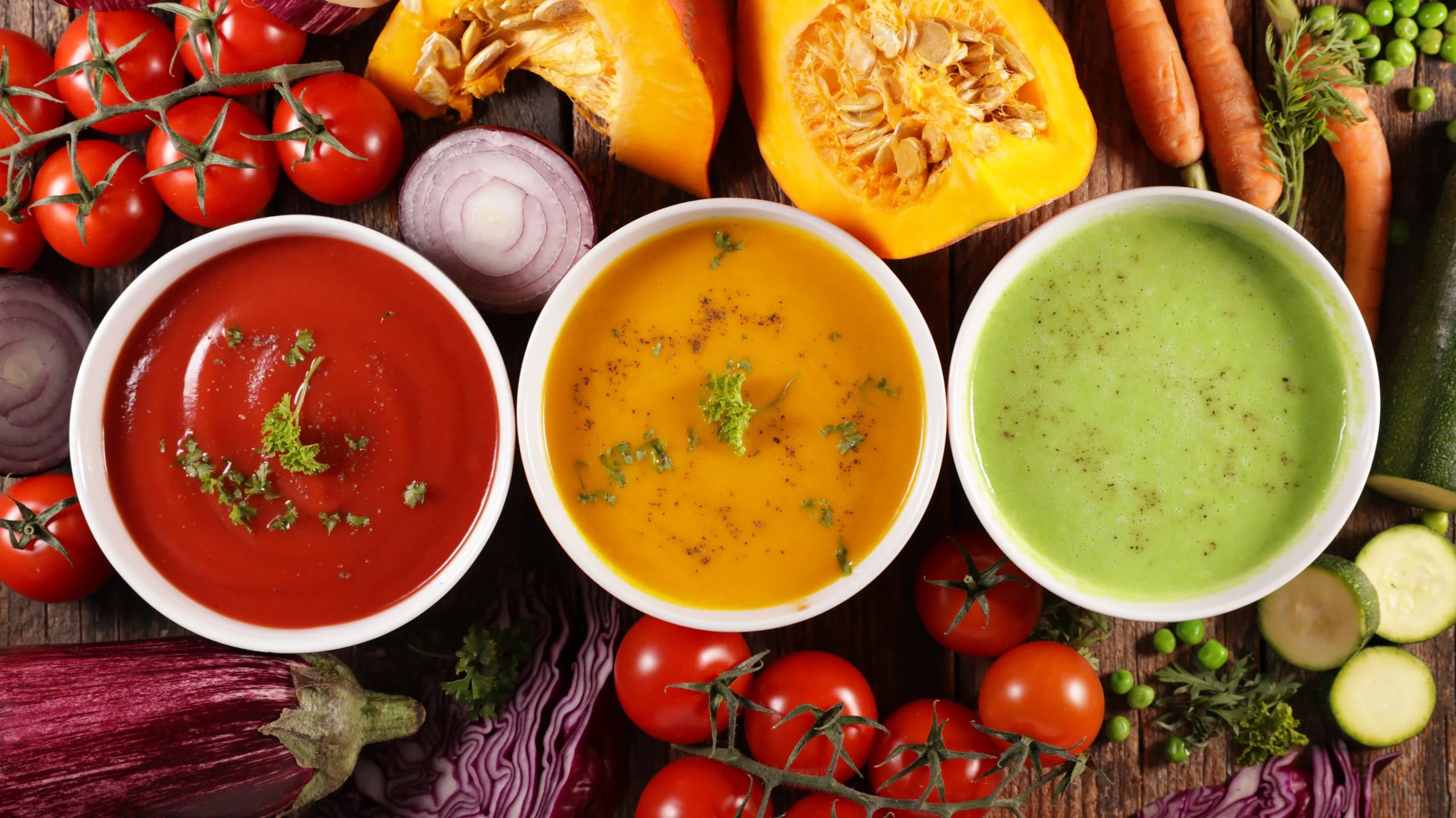
7. Soups and Broths — The Easiest Way to Eat Vegetables Without Chewing
Pureed and well-simmered soups are one of the most efficient ways to consume vegetables without chewing — making them essential for anyone on a no-teeth diet. Research published in PMC found a direct association between the number of teeth a person has and their eating behaviors, meaning vegetable intake genuinely drops when teeth are absent. Soup is a practical solution to that risk.
Fully blended soups work best. Use an immersion blender to convert any vegetable soup into a smooth option in under a minute.
| Soup Type | Key Nutrients | Texture Rating |
| Butternut squash | Vitamin A, fiber, potassium | Silky smooth |
| Lentil (blended) | Plant protein, iron, folate | Very smooth |
| Bone broth | Collagen, calcium, minerals | Fully liquid |
| Tomato (blended) | Vitamin C, lycopene | Smooth |
| Potato leek | Carbohydrates, B vitamins | Creamy smooth |
Bone broth specifically provides collagen, calcium, and trace minerals — making it one of the most nutrient-dense liquids available during this period.
8. Avocado and Pureed Legumes — Healthy Fats and Plant Protein You’ve Probably Overlooked
Ripe avocado and pureed legumes address a nutritional gap that most no-teeth food lists completely miss: plant-based protein and healthy fat. Many people eating without teeth default to carbohydrate-heavy soft foods and end up under-consuming both, which affects energy and recovery. caring for elderly parents
Ripe avocado needs nothing more than a fork to mash into a smooth food delivering monounsaturated fat, potassium, and fiber. Store-bought hummus is already at the ideal texture. Refried beans and pureed white bean soups provide complete protein alongside fiber. Practical combinations include mashed avocado on soft white bread, smooth hummus with soft pita, or pureed white bean soup with a drizzle of olive oil. These are among the best foods to eat without teeth because they pack serious nutrition with minimal effort.
9. Cottage Cheese, Ricotta, and Soft Tofu — Underrated Protein Sources for a No-Teeth Diet
These three form an underrated protein trio for anyone asking what should I eat if I have no teeth — and relying solely on eggs and yogurt creates a problem rarely discussed: dietary fatigue. When every meal tastes the same, total food intake drops, which is a real nutritional risk during a waiting period that can last months.
Cottage cheese (full-fat, small curd) is soft, protein-dense, and mild enough for any meal. Ricotta can be eaten alone, mixed into pureed pasta dishes, or layered with soft fruit. Silken tofu requires zero cooking — it blends invisibly into smoothies or can be eaten with a warm sauce. Practical ideas: ricotta with honey and very ripe soft pear, cottage cheese with mashed banana, silken tofu blended into a mango smoothie. Rotating these three with eggs and yogurt keeps eating varied enough to sustain consistent intake across the full waiting period.
10. Well-Cooked Grains and Soft Starches — Filling Your Plate Without Strain
Polenta, cream of wheat, soft-cooked white rice, and well-boiled pasta are reliable soft food diet staples that provide carbohydrates for sustained energy — particularly important for older adults and anyone whose caloric intake has dropped since losing teeth. The distinction between safe and risky comes down to cooking time: al dente pasta, undercooked rice, or barely softened grains can still cause gum discomfort.
White rice cooked to a porridge consistency — congee — is used across many cultures specifically as a recovery food. It is gentle, hydrating, and easy to flavor. Polenta and cream of wheat are underutilized soft carb sources that accept almost any savory or sweet topping. If jaw tension is making eating difficult, Mayo Clinic notes that “jaw relaxation exercises or biofeedback may help if you’re having a hard time changing the habit” — which can reduce strain at mealtimes for people on a no-teeth diet.
11. Soft Cooked Vegetables — How to Keep Getting Your Micronutrients
People without teeth tend to drop vegetables from their diet because raw vegetables are impossible to eat — and that micronutrient gap adds up quickly. The solution is straightforward: steam or boil vegetables well past fork-tender. Carrots, zucchini, sweet potato, butternut squash, and spinach all reach a texture that dissolves with minimal gum pressure.
Pureed or mashed versions count nutritionally just as much as whole vegetables. Sweet potato mash is particularly practical — naturally sweet, requiring no seasoning, and providing beta-carotene, potassium, and fiber.
| Vegetable | Cooking Method | Key Nutrients |
| Sweet potato | Boil and mash | Beta-carotene, potassium, fiber |
| Zucchini | Steam until very soft | Vitamin C, folate |
| Spinach | Simmer in broth | Iron, magnesium, vitamin K |
| Butternut squash | Roast and puree | Vitamin A, fiber |
| Carrots | Boil until very tender | Beta-carotene, antioxidants |
12. Nut Butters and Smooth Spreads — Calorie-Dense Foods That Require Zero Effort
Smooth nut butters are among the most calorie-dense soft foods available and require no preparation. Natural peanut butter, almond butter, and cashew butter each deliver healthy fats alongside protein in a small volume — which matters for anyone at risk of unintentional weight loss during the denture waiting period.
Spread them on soft white bread, blend into smoothies, or eat from a spoon. For those with nut allergies, sunflower seed butter offers a nearly identical texture and nutritional profile. Always choose smooth, never crunchy — crunchy nut butter contains hard pieces that can bruise sensitive gum tissue. For people on a no-teeth diet eating smaller portions overall, adding a tablespoon of nut butter to another soft food is one of the simplest ways to raise caloric intake without extra effort.
What to Eat with No Teeth While Waiting for Dentures: Foods to Avoid
Knowing what to avoid is just as important as knowing what to eat with no teeth while waiting for dentures. Some foods can bruise gum tissue, lodge in healing extraction sites, or simply be impossible to manage:
- Hard foods — chips, raw carrots, nuts, crackers — can press against and bruise vulnerable gum tissue
- Sticky foods — gummy candy, caramel, soft taffy — cling to gum surfaces and pull at tender tissue
- Tough meats — steak, pork chops, jerky — require molars that are no longer present
- Seeds and small grains — quinoa, poppy seeds, sesame — can lodge in gum gaps and cause irritation
- Carbonated and acidic drinks — sparkling water, soda, citrus juices — can irritate exposed gum tissue
We also wrote more about quality denture materials for you to peruse.
How to Keep Nutrition on Track During the Waiting Period
A practical daily framework is the missing piece that most food lists never provide. Here is a structured approach to maintaining health while eating without teeth before dentures arrive:
- Eat three soft meals plus one to two soft snacks daily. Skipping meals to avoid the difficulty of eating creates a caloric deficit that compounds over weeks.
- Include protein at every meal. Muscle mass loss accelerates in older adults during periods of low protein intake — eggs, fish, yogurt, cottage cheese, or legumes should appear at every meal.
- Track fluid intake deliberately. People on soft food diets often consume less water than usual because soups and smoothies create a false sense of hydration.
- tooth loss in dementia patients.
- Care for your gums even without teeth. Rinsing after meals and gently brushing gum tissue protects healing tissue and prevents bacterial buildup.
If jaw tension is limiting how much you can comfortably eat, Mayo Clinic notes that “jaw relaxation exercises or biofeedback may help if you’re having a hard time changing the habit” of jaw tension — a useful tool for making mealtimes less physically taxing.
See our denture services if you or someone you care for is homebound and requires dentures.
Contact us to learn more about our home-visiting dental services and what to expect from the denture process.
Eating well without teeth is genuinely challenging, but it is entirely manageable with the right foods and a consistent daily approach. The 12 options covered here provide enough variety, protein, and nutritional breadth to carry you through the waiting period without compromising your health. The temporary dietary adjustment is worth it — because what comes next restores your ability to eat freely again.
Disclaimer
This article is for informational purposes only and is not medical or dental advice. Food tolerance, healing time, and nutritional needs can vary depending on recent extractions, gum sensitivity, overall health, and denture treatment timing. If you have severe pain, swelling, bleeding, fever, trouble swallowing, signs of infection, or are unable to eat enough to stay nourished, seek prompt professional dental or medical care.