
Plan for Dietary Options Before Dental Procedures
A soft diet is designed for anyone who struggles to chew or swallow regular food comfortably. People living with dysphagia, denture wearers, and those recovering from dental surgery all benefit from knowing what things to eat that are soft. Difficulty swallowing affects far more people than most realize. Dementia patients are another group often overlooked, as chewing difficulties can develop gradually and go unaddressed.
A soft diet modifies food texture so it requires little or no chewing, but it is not the same as a liquid diet. The 15 options below cover breakfast, mains, and snacks so you can plan full days of eating with confidence.
For seniors, homebound patients, or families supporting someone with dementia, recovery from oral procedures can be harder simply because routines are harder. Dental Home Services provides mobile dental care to patients across New Jersey and parts of New York. If getting to an office is a barrier, you can request an in-home visit.
15 Things to Eat That Are Soft
Eating well on a soft diet is entirely possible. According to Johns Hopkins Bloomberg School of Public Health, 71% of Americans are actively trying to consume more protein — and many soft foods like Greek yogurt, eggs, and legumes are excellent protein-rich options. The 15 things to eat that are soft below are grouped by category so you can build meals across the day.
1. Scrambled Eggs
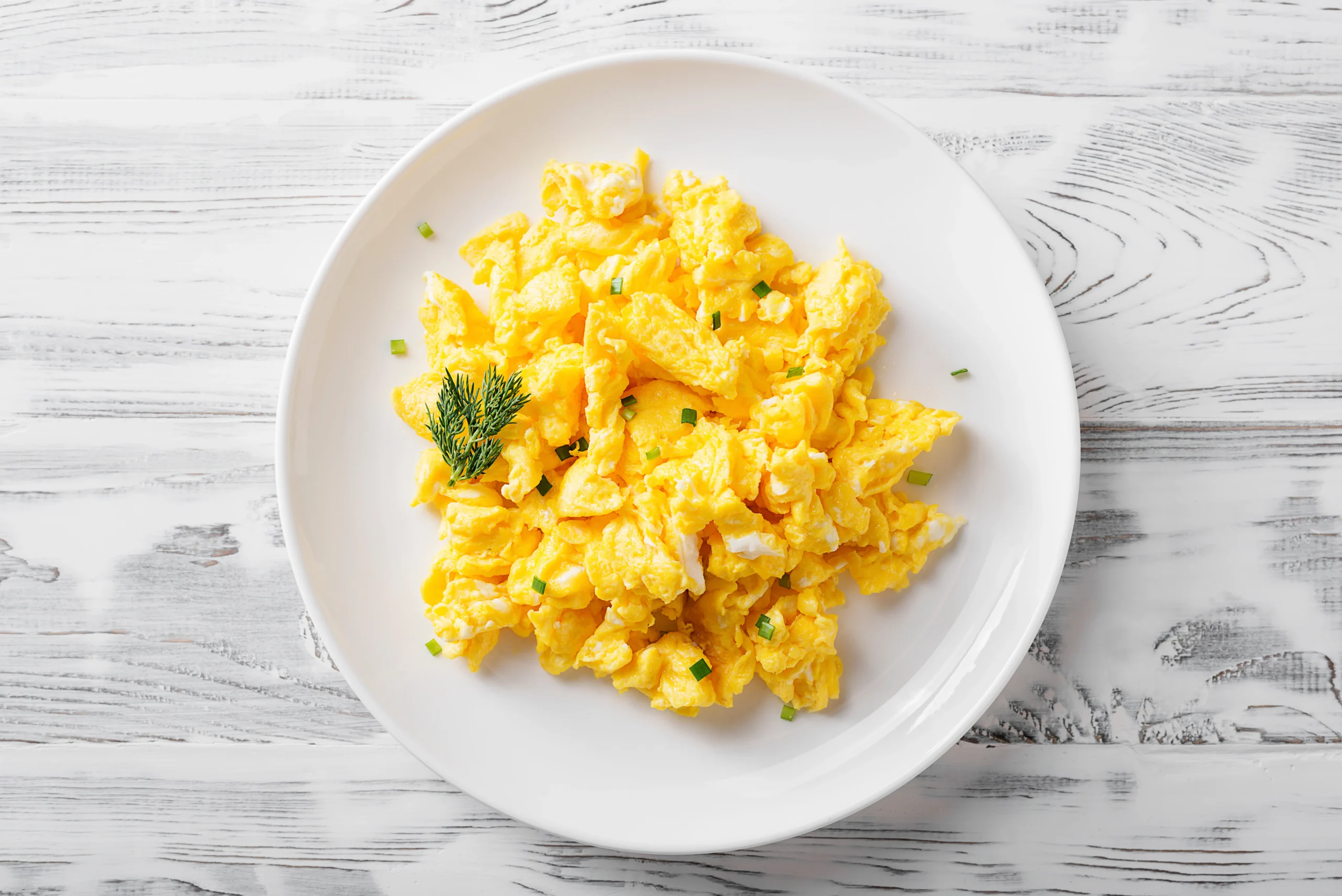
Scrambled eggs require almost no chewing, cook in minutes, and deliver high-quality protein. They are often one of the first foods recommended after a dental procedure. Cook low and slow for the creamiest texture.
2. Oatmeal or Porridge
Oatmeal is filling, warm, and naturally soft when cooked with enough liquid. Adding extra milk or water softens the texture further — this is exactly what a soft diet means when guidance says to add liquid to food. Stir in mashed banana for extra calories and flavor.
3. Greek Yogurt
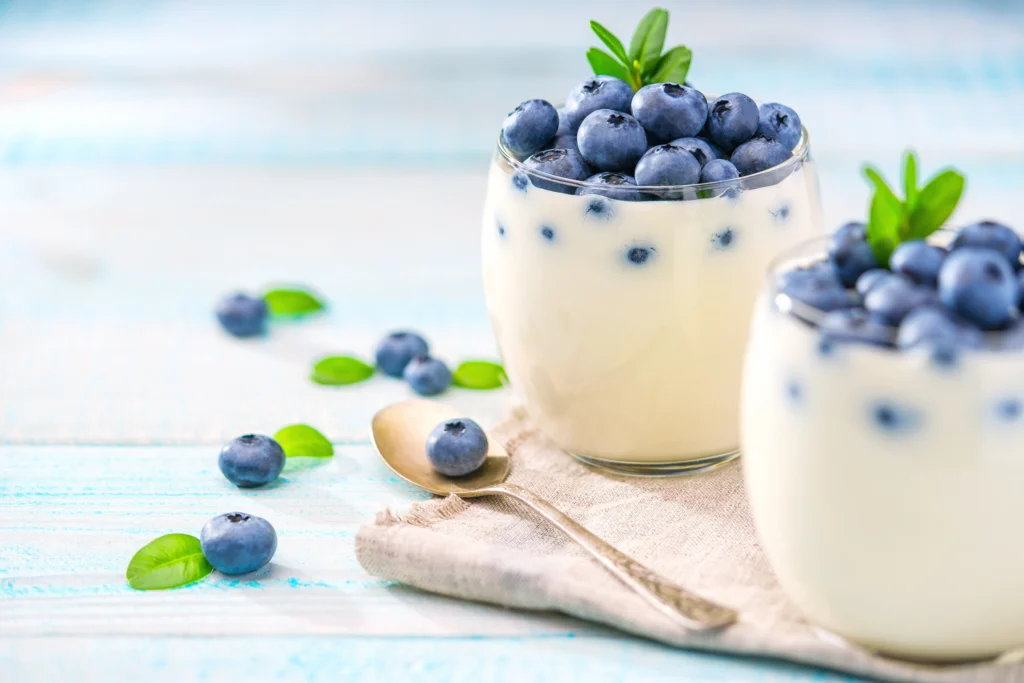
Greek yogurt requires no preparation and slides down easily, making it ideal for swallowing problems. It is thick enough to control in the mouth but smooth enough to swallow without effort. Avoid varieties with fruit chunks or granola toppings.
4. Mashed Potatoes
Mashed potatoes are a soft diet staple. Adding warm broth or milk creates a smoother consistency that is easier to manage. They pair well with soft-cooked fish or lentils to build a complete meal. Avoid skins, which can be a hidden hard texture.
5. Soft-Cooked Fish (Tilapia or Salmon)
Tilapia and salmon flake apart with minimal pressure, making them safe for chewing problems. Poach or steam rather than bake to keep moisture in the flesh. Salmon also provides omega-3 fatty acids alongside its protein content.
6. Avocado
Avocado is one of the easiest naturally soft foods available. It requires no cooking and can be eaten as-is, spread, or lightly mashed. Rich in healthy fats, it adds calorie density — useful for people eating less due to discomfort.
7. Cottage Cheese
Cottage cheese is soft, high in protein, and requires no chewing. For anyone managing swallowing difficulties, small-curd cottage cheese offers a smooth, controlled texture that is easy to manage.
8. Banana
Bananas need no preparation and are naturally sweet. They mash easily with a fork if an even softer texture is needed. Choosing slightly overripe fruit makes them significantly better suited to a soft diet.
9. Smooth Nut Butter
Nut butter works on a soft diet eaten from a spoon or stirred into oatmeal — avoid spreading it on toast or crackers. Stick to smooth varieties only.
10. Hummus
Hummus is versatile — a dip, spread, or standalone snack. Its creamy texture from blended chickpeas makes it easy to eat without chewing. Pair with soft-cooked vegetables or eat directly from a spoon for a quick protein and fiber hit.
11. Well-Cooked Pasta
Pasta qualifies as a soft savoury meal idea only when cooked beyond al dente — aim for very tender. Short shapes like orzo are easier to manage than long strands. Toss with a smooth sauce to keep it moist.
12. Soft-Cooked Lentils or Beans
Red lentils break down almost completely when simmered, creating a naturally smooth consistency. They are high in protein and fiber, making them a satisfying soft savoury meal idea for people who need soft foods long term.
13. Smoothies
Smoothies work when eating solid food is too uncomfortable. Blend Greek yogurt, banana, and nut butter for a balanced meal in a glass. Avoid whole nuts or raw oats that leave coarse particles.
14. Soft Tofu
Silken tofu has one of the smoothest textures of any high-protein food. It requires no cooking and can be blended into smoothies or served with a light sauce. For dysphagia, silken tofu is a consistently safe, easy-to-control option.
15. Rice Pudding or Soft-Cooked Rice
Rice pudding is a classic soft dessert — comforting and naturally easy to eat. Plain soft-cooked rice also works when made with extra water until grains are fully tender. Both are gentle on sore gums and easy to flavor with cinnamon or honey.
Soft Diet Tips That Make Eating Easier

Add liquid to almost everything. A soft diet often means adding water, broth, or milk to soften food further — this applies to oatmeal, mashed potatoes, and cooked grains alike.
Choose gentle cooking methods. Steaming, slow cooking, and poaching retain moisture inside food rather than creating firm or crispy surfaces.
Watch for hidden hard textures. Seeds, vegetable skins, and crusts can disrupt an otherwise safe meal. Always peel fruit and check packaged foods for added crunch.
Prioritize nutrition, not just softness. According to the CDC, adults ages 19–39 consumed 54.4% of calories from ultra-processed foods. Build meals around whole-food soft options rather than relying on nutritionally limited convenience foods.
Seek professional guidance for soft foods for dysphagia. A speech therapist or registered dietitian can assess swallowing function and recommend specific texture levels. This is especially important for elderly individuals whose swallowing function may change gradually and go unnoticed.
When Dental Problems Make Soft Foods a Daily Reality
Many people searching for things to eat if you have difficulty swallowing are not managing a swallowing disorder — they are dealing with dental pain, missing teeth, poorly fitting dentures, or post-procedure recovery. This is especially common among elderly adults, homebound individuals, and people living with dementia, for whom accessing a traditional dental office may be difficult or impossible.
Soft foods are a practical short-term solution, but prolonged dietary restriction due to untreated dental problems can increase the risk of nutritional gaps. Addressing the root cause — better-fitting dentures, treating infection, or managing tooth pain — restores the ability to eat a full range of foods. For patients who cannot travel to a clinic, home dental care services bring professional care directly to you.
If dental pain or missing teeth are limiting what you can eat, our home-visiting dental team can come to you — whether you are at home, in assisted living, or a care facility. Contact us to learn how we support patients across New Jersey and New York.
From scrambled eggs to rice pudding, these 15 soft foods to eat can provide real nutrition at every meal. Start with familiar options, build variety over time, and address any underlying dental or swallowing issues with the right professional support.
Important Disclaimer
This article is for educational purposes only and does not provide medical or dental advice. Always follow your implant provider’s instructions for medications, diet, activity, and follow-up care. If there is severe pain, fever, facial swelling, uncontrolled bleeding, trouble breathing or swallowing, or any urgent concern, seek emergency medical care right away.