

Nearly 1 in 4 adults over the age of 60 has lost all of their teeth, yet dental implants remain underutilized in this population, often dismissed on the basis of age alone. This guide covers what elderly patients and their families need to know about implants: candidacy and risk factors, daily care, healing timelines, and long-term maintenance.
Why Tooth Loss Is a Growing Concern for Older Adults
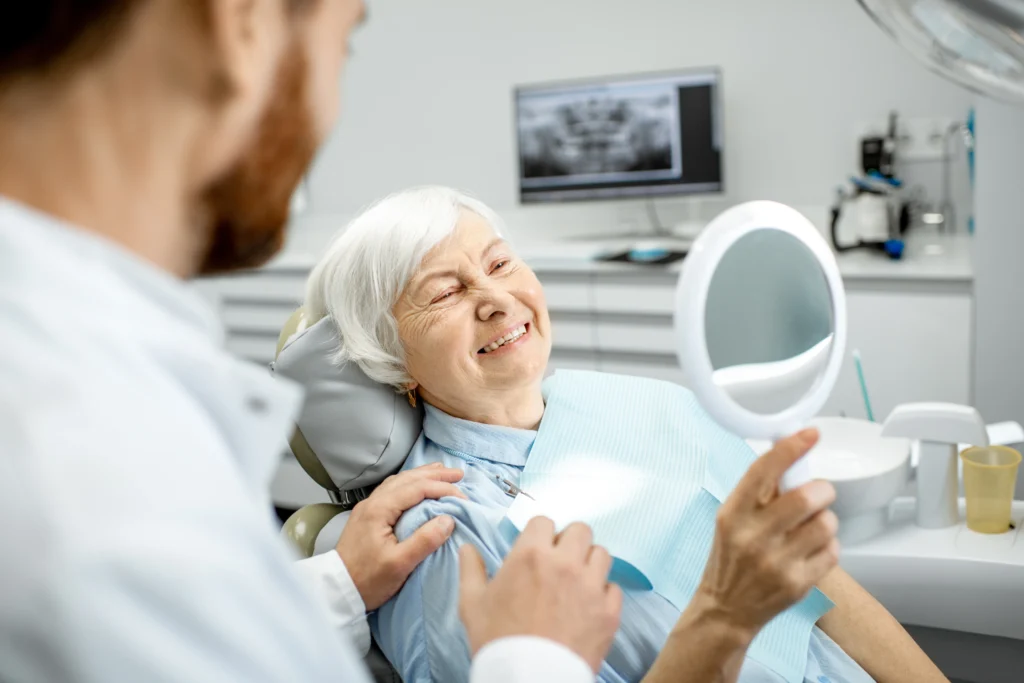
Tooth loss is not simply a cosmetic problem for older adults — it carries real consequences for health, independence, and quality of life. According to dental implant statistics, 23% of people over the age of 60 have no teeth, and 26% of adults over 75 have lost all of their teeth. A striking 96% of adults aged 65 and older have untreated tooth decay, making this one of the most underaddressed health concerns in the senior population.
Understanding the importance of senior dental care goes beyond aesthetics; untreated tooth loss accelerates systemic health decline. Dental implants for seniors represent one of the most effective and durable solutions available — restoring both function and confidence in a way that other options simply cannot match. When tooth loss goes unaddressed, the consequences extend well beyond the mouth: poor chewing function contributes to malnutrition, social withdrawal from eating in public accelerates isolation, and emerging research continues to explore links between oral health decline and cognitive deterioration.
What Are Dental Implants and How Do They Work?
Dental implants are small titanium posts surgically placed into the jawbone to act as artificial tooth roots. Once the bone bonds to the post (a process called osseointegration), a connector piece called an abutment is attached, followed by a custom-made crown that looks and functions like a natural tooth. The result is a permanent restoration that feels natural to eat with, speak with, and maintain.
According to dental implant statistics, 9% of all implants are placed in patients aged 65 to 74, a figure that reflects growing acceptance of dental implants among older adults and shows this is far from an unusual choice for seniors.
The Step-by-Step Implant Process and Timeline
Getting a dental implant is a multi-stage process that typically spans three to nine months from start to finish. Here is what each stage involves:
- Consultation and imaging — Your dentist takes X-rays or a CBCT scan to assess bone volume and identify any conditions that need to be addressed first.
- Bone grafting (if needed) — Patients with significant bone loss may require a graft before implant placement. This adds healing time of three to six months.
- Implant post placement — The titanium post is placed surgically into the jawbone under local anesthesia.
- Osseointegration period — The bone gradually fuses to the post over three to six months. This is the critical healing phase.
- Abutment placement — Once osseointegration is confirmed, the connector piece is attached.
- Crown attachment — A custom crown is fitted and secured, completing the restoration.
The pace of each stage is determined by how well a patient heals, which is why the total timeline can vary — particularly for elderly patients who may heal more gradually.
Full-Arch Implants for Elderly Patients With Complete Tooth Loss
For elderly patients who have lost most or all of their teeth, individual implants may not be the most practical solution. The All-on-4 technique uses just four to eight strategically placed implants to support a full arch of replacement teeth. This approach requires fewer implants, often eliminates the need for bone grafting, and can sometimes be completed with a temporary arch on the same day as surgery. For seniors dealing with complete tooth loss — a group that represents a significant portion of the over-60 population — full-arch implants offer a stable, permanent alternative to conventional dentures.
Is Age a Barrier? What the Research Says About Dental Implants in Older Age

Age alone does not determine whether dental implants will succeed — and the research strongly supports this. As implant specialist Dr. Chang explains, “There is no upper age limit for dental implant treatments, and many patients in their late seventies can successfully receive implants.” What matters far more than a patient’s birth year is their overall health, bone quality, and commitment to post-surgical care.
According to a large-scale study published in PMC analyzing over 158,000 dental implants, the overall implant failure rate is just 2.21%, highlighting how reliable modern dental implants can be — even for elderly patients. Clinical literature consistently reports ten-year implant success rates ranging from 92.9% to 97%, figures that hold across multiple age groups when patients are properly screened.
The concept of biological age is key here. A healthy 72-year-old with adequate bone density and well-managed chronic conditions may be a stronger implant candidate than a 58-year-old with uncontrolled diabetes or severe osteoporosis. The question is not whether dental implants work just as well for older patients — evidence says they do — but whether each individual patient’s health profile supports the procedure. A thorough evaluation by an experienced provider will determine candidacy far more accurately than age alone ever could.
Age-Specific Risk Factors Seniors Should Understand Before Getting Implants
The risks and complications of dental implants for seniors are real, but they are manageable with proper pre-surgical evaluation and planning. Understanding these factors helps elderly patients and their families make genuinely informed decisions.
Does Osteoporosis Prevent Elderly Patients From Getting Dental Implants?
Osteoporosis reduces bone density throughout the body, including the jaw — and lower bone mass can affect how well osseointegration occurs. However, osteoporosis does not automatically disqualify a patient. Bone grafting can rebuild volume in areas where the jaw has deteriorated. Patients with osteoporosis should discuss their bone health with their dentist and physician before proceeding, but many go on to receive successful implants after appropriate preparation.
Which Medications Can Complicate Implant Surgery or Recovery?
Medication interactions are one of the most important considerations for seniors aged 60 and older on complex medication regimens. Elderly patients on blood thinners such as warfarin or aspirin face increased bleeding risk during surgery, and dosage management must be coordinated with their prescribing physician. Bisphosphonates — commonly prescribed for osteoporosis — can interfere with bone healing and osseointegration, a condition known as medication-related osteonecrosis of the jaw. Seniors on polypharmacy regimens require careful review of all active medications before any implant procedure is scheduled.
A PMC study on implant survival rates also identifies pre-existing periodontal disease as a significant factor negatively influencing implant survival, with one elderly cohort study showing 23.3% marginal bone loss — underscoring why a clean periodontal baseline matters before placement. Smoking adds further risk; dental implant statistics show a 9.4% smoking rate among elderly implant patients, and smoking is well-documented to impair healing and increase failure rates.
Are Patients With Cognitive Decline Considered for Dental Implants?
Cognitive impairment adds a layer of complexity that few conversations about dental implants in the elderly address openly. Patients with mild-to-moderate dementia may struggle to follow post-surgical care instructions, maintain oral hygiene, or communicate discomfort after surgery — all of which affect healing and long-term success. This does not mean implants are categorically ruled out, but it does mean that caregiver involvement becomes essential. Caregivers who assist with daily hygiene should review guidance on caring for elderly parents’ teeth to understand what proper post-surgical oral care looks like in a home setting. For some patients in advanced cognitive decline, dentures or bridges may be a more practical and compassionate choice.
The Real Benefits: How Implants Improve Daily Life for Elderly Patients
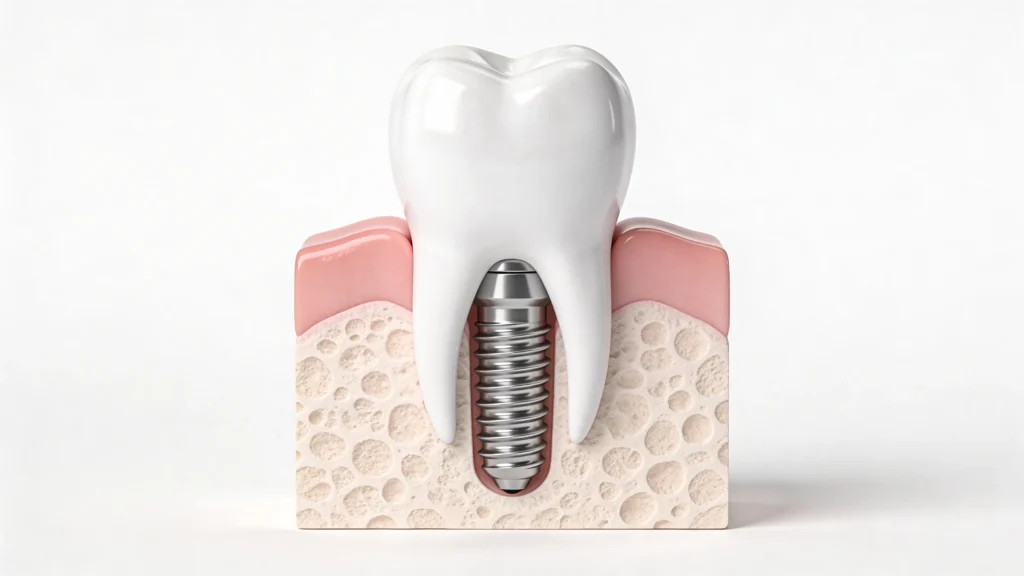
Dental implants for seniors looking to restore their smiles offer benefits that go well beyond aesthetics. For elderly patients, the benefits of implants extend well beyond cosmetic restoration.
Nutrition and chewing function — Restored chewing ability allows elderly patients to return to raw vegetables, nuts, seeds, and fibrous proteins that are essential for healthy aging. Poor masticatory function in the elderly is directly linked to nutritional deficiencies and unintentional weight loss, both of which accelerate physical decline.
Speech clarity — Missing teeth and ill-fitting dentures cause slurring and lisping. Implants restore the structural support that natural speech depends on.
Psychological and social confidence — Implants restore confidence in a way that removable appliances rarely do, because they function and feel like natural teeth. A geriatric dental specialist can evaluate whether these benefits are achievable given a patient’s specific health profile.
Bone preservation — Implants are the only tooth replacement option that stimulates the jawbone and prevents resorption. Without this stimulation, bone loss accelerates after extraction, altering facial structure and making future dental work more difficult.
Simplified maintenance compared to dentures — Implants eliminate the daily removal, adhesive application, and social stigma associated with removable dentures. For caregivers assisting homebound elderly patients, implant maintenance can actually reduce the complexity of daily oral care routines.
| Benefit | Implants | Dentures |
| Chewing function restored | Yes — near-natural | Partial — slippage limits biting force |
| Speech improvement | Yes — structural support | Variable — movement can cause slurring |
| Bone preservation | Yes — stimulates jaw | No — accelerates bone loss |
| Psychological confidence | High | Moderate — stigma of removal |
| Caregiver maintenance ease | Brush like natural teeth | Nightly removal and soaking required |
Implants vs. Dentures vs. Bridges: Which Is Right for Elderly Patients?
Dental implants and aging require a realistic comparison of all available options — because the best choice depends on each patient’s health, budget, and long-term goals.
Longevity and lifetime cost — Implants can last 20 years or more with proper care, and many last a lifetime. Dentures typically need replacement every five to seven years, and bridges every ten to fifteen years. For elderly patients on fixed incomes, the higher upfront cost of implants may translate into fewer total replacement cycles and lower lifetime spending.
Bone health — Only implants preserve the jawbone by providing the stimulation that natural tooth roots once delivered. Dentures and bridges allow bone resorption to continue, which can change facial appearance and complicate future dental work over a ten-to-twenty-year period.
Daily maintenance and dexterity — Implants are brushed and flossed like natural teeth, with interdental brushes for cleaning around the post. Bridges require special flossing tools. Dentures require nightly removal, soaking, and adhesive application. For elderly patients with arthritis or limited grip strength, the simplicity of implant care can be a genuine advantage once the healing phase is complete.
| Criteria | Implants | Dentures | Bridges |
| Lifespan | 20+ years | 5–7 years | 10–15 years |
| Bone preservation | Yes | No | No |
| Maintenance complexity | Low (brush/floss) | High (removal, adhesive) | Moderate (special flossing) |
| Best suited for | Healthy surgical candidates | Non-surgical candidates | Patients with adjacent healthy teeth |
| Upfront cost | Higher | Lower | Moderate |
For patients weighing the cost and comfort of removable options, this guide to alternative to traditional dentures outlines what modern full dentures can and cannot offer. For patients who are viable surgical candidates, implants represent the superior long-term investment in function, bone health, and quality of life. For those who cannot undergo surgery due to health limitations, dentures remain an appropriate and well-supported alternative.
Long-Term Care and Maintenance for Elderly Implant Patients
Dental implants in the elderly require consistent long-term care to remain successful — and that care needs to be adapted to the real physical realities many older patients face. Implants in the elderly can last decades, but only when daily hygiene, professional monitoring, and caregiver support are all working together.
Daily hygiene — Brush twice daily with a soft-bristled toothbrush. Interdental brushes clean around the implant post effectively, and water flossers are particularly helpful for patients with arthritis or limited grip strength who struggle with traditional floss.
Caregiver-assisted hygiene — For patients who cannot manage oral hygiene independently due to cognitive decline or physical limitations, a caregiver should assist with brushing and rinsing at least twice daily. Clear, simple routines are easier to maintain consistently, and dental teams can provide specific proxy care instructions tailored to the patient’s level of ability.
Professional maintenance schedule — Implant patients benefit from professional cleanings every three to six months. Those with a history of periodontal disease or other complicating factors should lean toward the shorter interval. Regular professional monitoring protects implant longevity and catches problems early.
Warning signs to monitor — Peri-implantitis — inflammation around the implant — is the leading cause of late implant failure. Watch for redness, swelling, bleeding around the implant site, unusual sensitivity, or any movement of the implant. Early detection gives the care team the best chance of reversing the problem before it progresses.
For patients who cannot travel to a traditional office, mobile dental implant services bring professional cleanings and monitoring directly to the patient’s home, making it possible to maintain the follow-up schedule that protects implant health over the long term.
If you or a loved one is ready to explore dental implants in the elderly population or for a senior family member, schedule a consultation with an experienced provider who specializes in older patients. For those who cannot visit a traditional office, home dentists offer professional care delivered where you are — no transportation required.
Key Takeaways
- Age is not a disqualifier. Research and clinical experience both confirm that dental implants work just as well for older patients when health factors are properly evaluated — there is no upper age limit.
- The overall implant failure rate is just 2.21% across a study of more than 158,000 implants, making modern implants one of the most reliable restorative options available to elderly patients.
- Health status matters more than age. Bone density, periodontal disease, medications like bisphosphonates, and cognitive function are the real factors that determine candidacy — not a patient’s birthdate.
- Implants outperform dentures and bridges on longevity, bone preservation, and daily function — and their simpler maintenance can be an advantage for elderly patients with dexterity limitations.
- Long-term success depends on follow-up. Professional cleanings every three to six months, daily hygiene adapted to physical ability, and monitoring for peri-implantitis are what keep implants healthy for decades — including for patients who rely on caregiver assistance or mobile dental services.
Disclaimer: The information on this dental blog is provided for general educational and informational purposes only and is not a substitute for professional dental or medical advice, diagnosis, or treatment. While we aim to share accurate, up-to-date information about topics such as tooth pain, dental emergencies, oral health, and treatment options, every patient’s situation is different. Always seek the advice of a licensed dentist, physician, or qualified healthcare provider with any questions you may have regarding a dental condition or emergency. If you are experiencing severe tooth pain, facial swelling, bleeding, fever, difficulty swallowing, or trouble breathing, seek emergency medical care immediately or call 911. Reliance on any information provided on this site is solely at your own risk.