
How We Selected These Denture-Friendly Foods
These denture-friendly foods were chosen based on four criteria: texture requiring minimal chewing force (because firm or fibrous foods can shift an appliance mid-meal), temperatures that won’t damage denture materials or irritate gums, nutritional density across protein, calcium, and fiber, and everyday affordability so the options are realistic long-term. Criteria apply across all appliance types — whether full or partial — so if you are unsure which type you have, see our guide to types of partial dentures.
Why Some Soft Foods Still Feel Difficult With Dentures
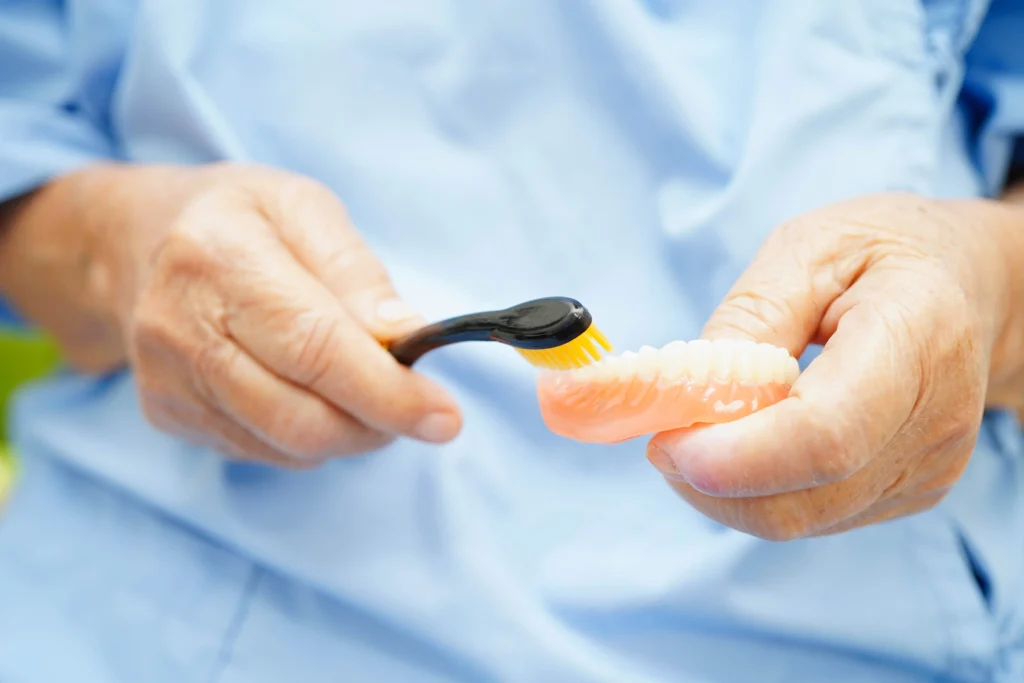
Not every soft food feels easy once dentures are in your mouth. Texture matters just as much as softness. Foods that are technically soft can still slide, stick, pool under the appliance, or create an uneven bite that shifts dentures while chewing. That is why many new denture wearers struggle with foods they assumed would be simple, such as soft bread, melted cheese, or overcooked pasta.
In the early adjustment stage, the most comfortable foods are often the ones that stay cohesive on the spoon and do not pull away from the bite. Scrambled eggs, yogurt, mashed potatoes, and blended soups usually behave more predictably than foods that are gummy, stringy, or slippery. For denture wearers, comfort is not only about chewing force. It is also about how stable the appliance feels during the meal.
The 15 Best Soft Foods to Eat With Dentures
These soft food suggestions for dentures are ordered by ease of preparation and chewing demand, so start at the top if you are in the earliest adjustment days. Items are grouped: proteins first, fruits and dairy next, starches and vegetables, then convenience options.
| # | Food | Why It Works | Prep Tip |
| 1 | Scrambled eggs | Protein-rich, require zero chewing force | Cook low and slow for extra softness |
| 2 | Greek yogurt | High protein and calcium, smooth texture | Choose plain; stir in honey for flavor |
| 3 | Soft fish (tilapia, cod, salmon) | Flakes easily, high in protein and omega-3s | Bake until just done; avoid crispy edges |
| 4 | Ground chicken or turkey | Softer than whole cuts when well cooked | Simmer in broth to keep it moist |
| 5 | Tofu | Silken varieties dissolve with minimal pressure | Blend into smoothies or serve in warm broth |
| 6 | Mashed bananas | Natural sugars, easy to swallow | Mash fully ripe bananas; no chunks |
| 7 | Applesauce | Fiber source with no chewing required | Buy unsweetened or make fresh |
| 8 | Cottage cheese | Soft, high in calcium and protein | Serve chilled; pairs well with soft fruit |
| 9 | Pudding or soft custard | Gentle on gums, easy to prepare | Cool to a comfortable temperature before eating |
| 10 | Mashed potatoes | Filling, easy to customize with soft add-ins | Mix with warm milk and butter for smooth consistency |
| 11 | Well-cooked oatmeal | Fiber-rich and fully soft when cooked long | Cook longer than package directions suggest |
| 12 | Steamed or pureed carrots or squash | Nutrients intact, texture completely soft | Steam until fork-tender or blend smooth |
| 13 | Soft cooked beans or lentils | Plant protein and fiber in one food | Cook until mashable; avoid firm canned varieties |
| 14 | Meal replacement shakes | Nutritional bridge when eating feels difficult | Choose low-sugar options with at least 15g protein |
| 15 | Broth-based soups | Hydrating and soothing for tender gums | Let soup cool before eating — hot liquids can warp denture materials |
What to Eat in the First Few Days With New Dentures
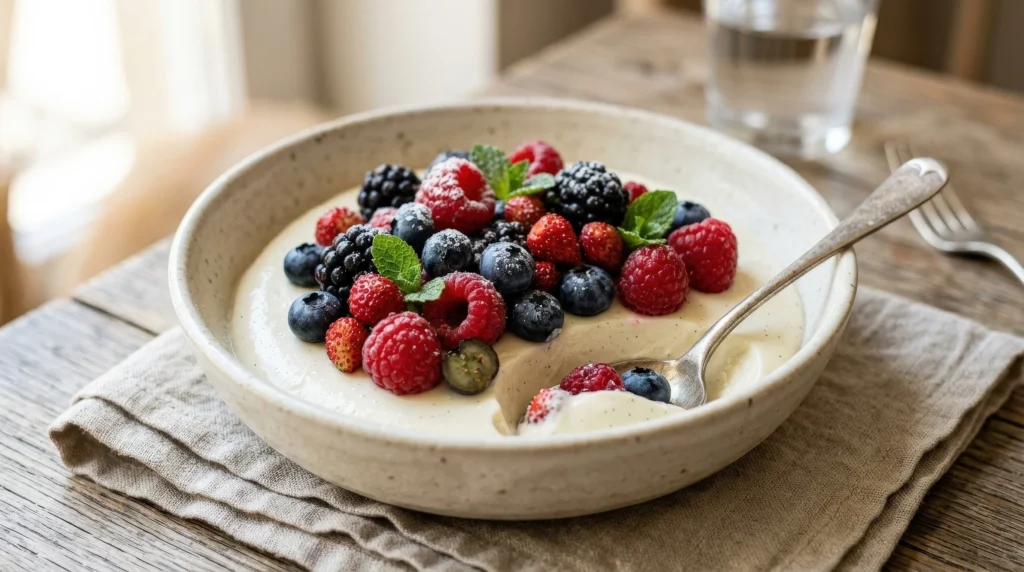
Knowing what to eat in the first few days with dentures makes the adjustment significantly easier. The first 24 to 72 hours are the most sensitive period — stick entirely to liquids and purees: broths, smoothies, protein shakes, applesauce, and yogurt. Avoid anything that requires chewing on both sides at once. After days three to four, begin soft solids such as scrambled eggs and mashed potatoes, then gradually work toward items like ground meat and soft-cooked vegetables through weeks one and two. This progression is completely normal and temporary.
Why Denture Wearers Need to Chew Differently
One of the hardest adjustments with new dentures is learning that chewing works differently now. Biting down on one side only can tip the appliance and make even soft foods feel awkward. Many patients do better when they take smaller bites and chew slowly on both sides at once to keep pressure more balanced.
This is part of why certain soft foods work so well during adjustment. Foods like mashed sweet potatoes, oatmeal, tofu, and soft fish spread pressure more evenly across the mouth. They do not demand the same kind of tearing or one-sided bite force that tougher foods do. For someone learning to eat with dentures, that difference can make meals feel much less frustrating.
Are You Getting Enough Nutrition When Wearing Dentures?
Soft food diets can fall short on protein, fiber, and calcium without intentional planning. According to the CDC, adults ages 60 and older consumed 51.7% of their calories from ultra-processed foods — and for denture wearers already navigating a restricted diet, this trend makes intentional food choices even more important. Stanford Medicine reports ultra-processed food accounts for nearly 60% of U.S. adults’ calorie intake, a pattern worth countering deliberately. To keep your diet of foods to eat with dentures nutritionally complete, prioritize protein at every meal using eggs, Greek yogurt, tofu, and soft fish; get calcium from cottage cheese and yogurt; and cover fiber through applesauce, oatmeal, or mashed sweet potato.
Foods to Avoid With New Dentures

Knowing what foods to eat and avoid with new dentures matters as much as the safe list.
- Sticky foods (caramel, gummy candy) — can pull dentures out of position
- Hard foods (raw carrots, nuts, hard candy) — risk cracking or dislodging the appliance
- Tough meats (steak, pork chops) — require too much bite force for new dentures
- Very hot beverages — can warp denture materials and irritate sensitive gum tissue
- Heavily spiced foods — can aggravate healing gum tissue in new denture wearers specifically
Most of these can be reintroduced gradually once fully adjusted, which typically takes several weeks.
Temperature Feels Different With Dentures
Dentures can change the way food temperature feels in your mouth. Some patients notice that very hot soups, coffee, or tea feel less predictable because the appliance creates a barrier between the food and the tissues underneath. Others find that heat lingers uncomfortably against sore spots during the adjustment period.
That is one reason lukewarm meals are often easier than very hot ones in the first few weeks. Soft foods like oatmeal, mashed vegetables, custard, and soup are still good choices, but letting them cool slightly can make meals more comfortable and reduce irritation around healing gum tissue.
If you or a loved one is adjusting to new dentures and needs professional guidance at home, our team brings compassionate dental care directly to you — no office visit required. Learn more about our denture services or schedule a visit in the comfort of your home or facility.
A Simple Way to Judge Whether a Food Is Denture-Friendly
If you are unsure whether a food will work with dentures, ask four quick questions before you serve it. Does it need tearing with the front teeth? Does it become sticky when chewed? Does it have skins, seeds, or stringy pieces? Does it stay together in a spoonful, or does it break into slippery fragments?
Foods that pass that test are usually much easier during denture adjustment. Foods that fail it may still be soft by general standards, but they often cause more shifting, rubbing, or frustration than expected. This is one reason denture diets are not exactly the same as general soft diets.
Good Transition Foods When You Are Ready for More Texture
The move from purees to regular meals does not have to happen all at once. Denture wearers often do best with transition foods that hold together softly but still introduce light chewing. Good examples include flaked salmon, tender pasta with smooth sauce, mashed beans, soft rice, cottage cheese, tofu, and well-cooked lentils.
These foods help build confidence because they ask a little more of the bite without jumping straight to sandwiches, raw vegetables, or tougher meats. That middle stage is where many denture wearers actually live for a while, so it deserves more attention than most soft-food articles give it.
Post-Meal Denture Care Matters More Than Most People Think
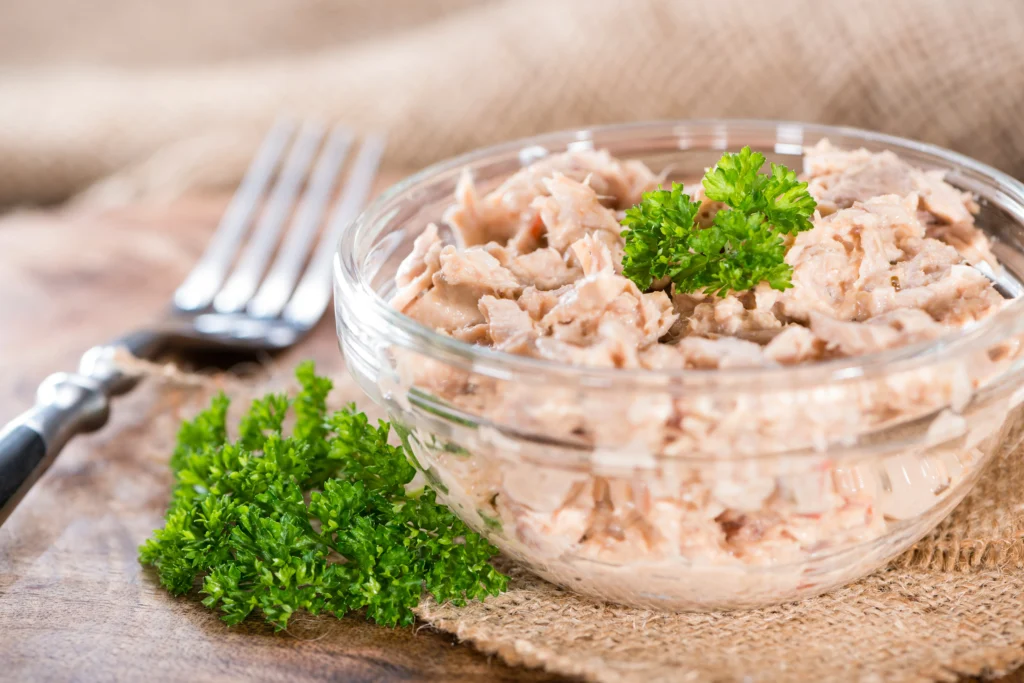
What you do after eating can make just as much difference as what you put on the plate. Even soft foods can leave behind residue that settles under dentures, along the gumline, or around the edges of the appliance. Mashed potatoes, oatmeal, nut butters, soft breads, and thicker dairy foods can be especially clingy, which means they may keep irritating the gums if they are not cleaned away. A quick rinse after meals can help remove trapped food before it starts rubbing sore spots or making dentures feel less stable.
For many denture wearers, a simple routine works well: remove the dentures if possible, rinse them gently, rinse the mouth, and check for any food that may be sitting along the gums or palate. That habit becomes even more important during the adjustment period, when small bits of trapped food can make a new denture feel much more uncomfortable than it really is. If meals are already limited because of tenderness or poor fit, keeping the appliance cleaner between meals can make soft foods feel easier to tolerate.
This is also where the broader recovery routine matters. If you are already relying on soft foods for dentures while adjusting, it helps to pair those meals with consistent aftercare so food residue does not undo the comfort you were trying to create. Families who need more general meal ideas can also look at things to eat that are soft or build a wider recovery plan around the site’s guidance on a soft food diet. If dry mouth is also making dentures feel sticky or less comfortable after eating, the article on sugar-free gum and dry mouth can help explain why saliva support matters too.
If soreness keeps returning after meals even when the food is soft and the dentures are being cleaned well, the issue may not be the menu at all. It may be a fit problem that needs professional attention.
Key Takeaways about Soft Foods for Dentures
- Stick to liquids and purees for the first 24 to 72 hours, then transition to soft solids through weeks one and two.
- The 15 best soft foods for dentures cover protein, calcium, and fiber — meal replacement shakes are a valuable nutritional bridge most lists overlook.
- Always let soups and hot beverages cool before eating — very hot liquids can warp quality denture materials and irritate healing gum tissue.
- Oral health becomes increasingly important with age — learn why senior dental care is worth prioritizing alongside your adjustment diet.
- Sticky, hard, and tough foods should be avoided until full adjustment is complete, typically several weeks.
Disclaimer
This article is for informational purposes only and is not medical or dental advice. Denture adjustment, gum tenderness, sore spots, and changes in what feels comfortable to eat can vary from person to person. If pain is worsening, dentures feel unstable, sores are not healing, you cannot eat enough to stay nourished, or you notice swelling, bleeding, fever, or signs of infection, seek prompt professional dental or medical care.