
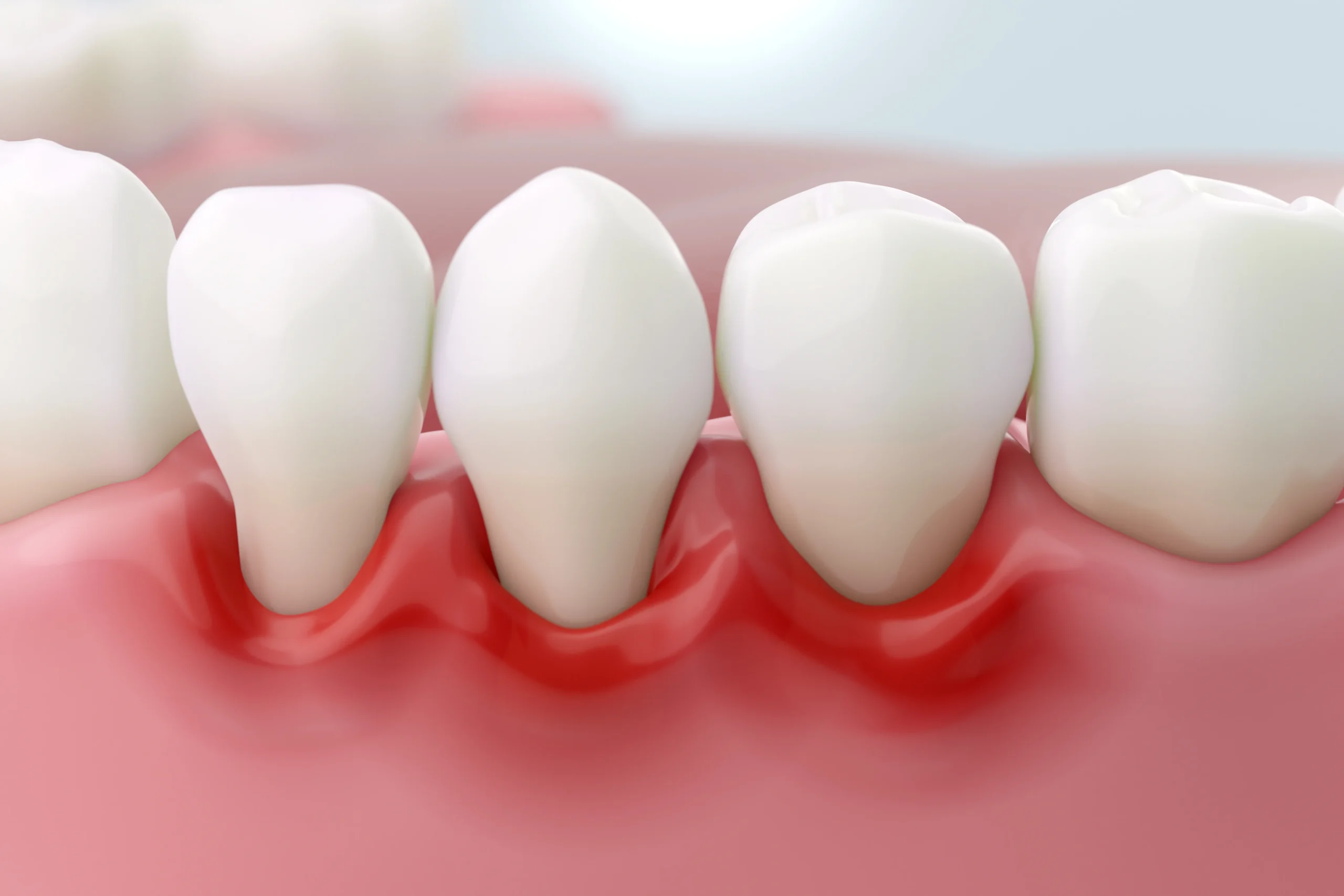
Gum problems usually don’t start with a big announcement. They start with small clues. A pink smear in the sink. A tender spot between two teeth. A toothbrush that suddenly feels “too sharp.” If you’re here because you want how to improve gum health quickly, the good news is that the fastest improvements often come from a few very specific daily moves, not a complicated overhaul.
If you want support from a clinician who can assess gum health in a home setting, Dental Home Services provides mobile dentistry across New Jersey and parts of New York. If it would help to get a clear plan, you can request an in-home visit and describe what you’re seeing.
Before the steps, one grounded fact: the CDC explains that “Gingivitis is the mildest type of gum disease” and signs include “red, swollen, or easily bleeding gums.” After this first mention, any exact references in this section will simply note the CDC.
How to Improve Gum Health Quickly by Focusing on What Causes Bleeding
If your goal is to improve gum health fast, it helps to know what you’re actually trying to change. Most early gum irritation is inflammation driven by plaque sitting at the gumline. That inflammation can make gums bleed even with gentle brushing.
The CDC notes gingivitis is “preventable and reversible with good oral hygiene… and professional treatment.” (CDC) That’s why how to get healthy gums again is usually less about buying something new and more about removing the daily triggers consistently.
If you’re noticing a sore, puffy area between two teeth, this guide on swelling of gums in between teeth can help you understand common causes and what patterns suggest you should get it checked.
Best Daily Routine for Gum Health: The Simple 2-2-1 Plan
The best daily routine for gum health doesn’t need ten steps. It needs three habits done calmly, every day:
- 2 gentle brushes per day
- 2 minutes each time
- 1 focused clean between teeth daily
That “between teeth” part is where gum health often turns around the fastest, because plaque likes to hide where brushes miss.
Brushing Technique for Gum Health That Actually Works

If you’re searching for how to reduce gum inflammation quickly, start with technique. Most people brush the tooth surface well, but miss the gumline where plaque irritates tissue.
A solid brushing technique for gum health looks like this:
- Use a soft brush
- Angle bristles slightly toward the gumline
- Use small, gentle circles instead of back-and-forth scrubbing
- Spend extra time on the gumline of the back teeth
- Don’t “chase blood” by scrubbing harder
Bleeding is a signal, not a challenge. If you try to scrub it away, you usually add irritation.
For seniors or medically complex patients, gentle technique matters even more. If you’re caring for an older adult, this guide on choosing a dentist for seniors can help you understand what senior-focused care should look like when gum health changes.
Flossing for Gum Health Without Making It Worse
Flossing for gum health is one of the quickest ways to reduce inflammation, but only if it’s done gently. Many people snap floss down, cut the gum, then stop because it hurts. That creates a cycle of irritation.
A safer approach:
- Slide floss down slowly
- Hug the tooth in a C-shape
- Glide under the gumline gently
- Lift the floss out instead of snapping it upward
If you haven’t flossed consistently, your gums may bleed for a short period as inflammation begins to resolve. The goal is gentle consistency, not force.
How to Stop Gums From Bleeding Fast Without “Over-Cleaning”
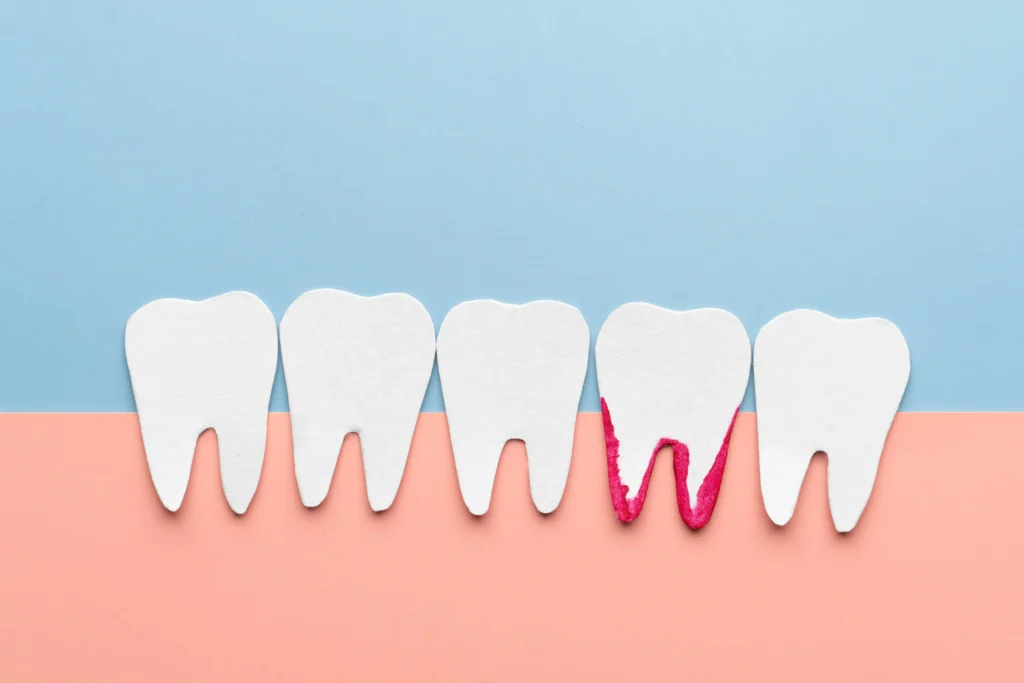
If you want to know how to stop gums from bleeding fast, the fastest safe path is not to apply more pressure. It’s more consistent.
What usually helps most over 7–14 days:
- Gentle gumline brushing twice daily
- Daily between-teeth cleaning
- Avoiding tobacco
- Staying hydrated and reducing mouth dryness
- Scheduling a professional evaluation if bleeding is heavy or persistent
The CDC notes that having regular dental check-ups supports early detection of gum disease. (CDC) If access is hard, home-based care can remove that barrier.
How to Heal Gums Naturally: What Helps and What Doesn’t
A lot of people ask how to heal gums naturally. Some “natural” tips are helpful as comfort supports. Others can delay real care.
Helpful, simple supports:
- Warm water rinses after meals
- Adequate hydration
- Softer foods for a few days if gums are tender
- A consistent routine that reduces plaque buildup
Less helpful:
- Aggressive home “scraping”
- Harsh products that burn tissue
- Skipping floss because it bleeds
If gum inflammation is building, the daily routine is the main lever. Comfort steps support it, but they don’t replace it.
Gum Disease Early Signs: What to Watch For at Home
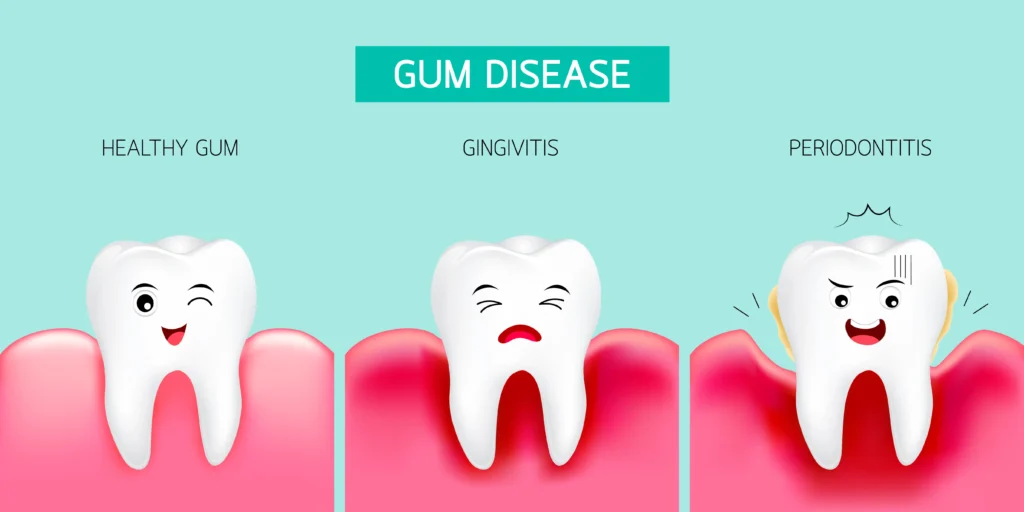
Knowing the early signs of gum disease helps caregivers and patients act before the disease escalates.
Common early signs:
- Bleeding when brushing or flossing
- Red or puffy gums
- Tenderness at the gumline
- Persistent bad taste
- A spot that keeps swelling in the same place
The CDC defines periodontitis as a more serious form of gum disease that involves bone loss around teeth. (CDC) That’s why catching early inflammation matters.
If your loved one is homebound or dealing with memory changes, gum issues can show up as behaviour shifts rather than a complaint. The guide on dementia and dental care can help caregivers connect mouth discomfort to eating changes, agitation, or brushing resistance.
When to See a Dentist for Gum Problems: The “Don’t Wait” Clues
If you’re wondering when to see a dentist for gum problems, these are the moments when it’s safer to move sooner:
- Swelling is increasing or spreading
- Bleeding is heavy or doesn’t improve after two weeks of consistent care
- Pain is worsening or keeps returning in the same spot
- There is pus, a bad taste that persists, or a foul smell
- Teeth feel loose, or biting feels different
- The person is frail, medically complex, or not eating well
If transportation is hard, the option to receive care at home matters. The page on a traveling dentist can help families understand what a home visit can look like and how to prepare a calm space.
For older adults with complex needs, the geriatric dentistry approach is designed around medical awareness and comfort-first pacing.
How to Improve Gum Health Quickly With In-Home Dental Support
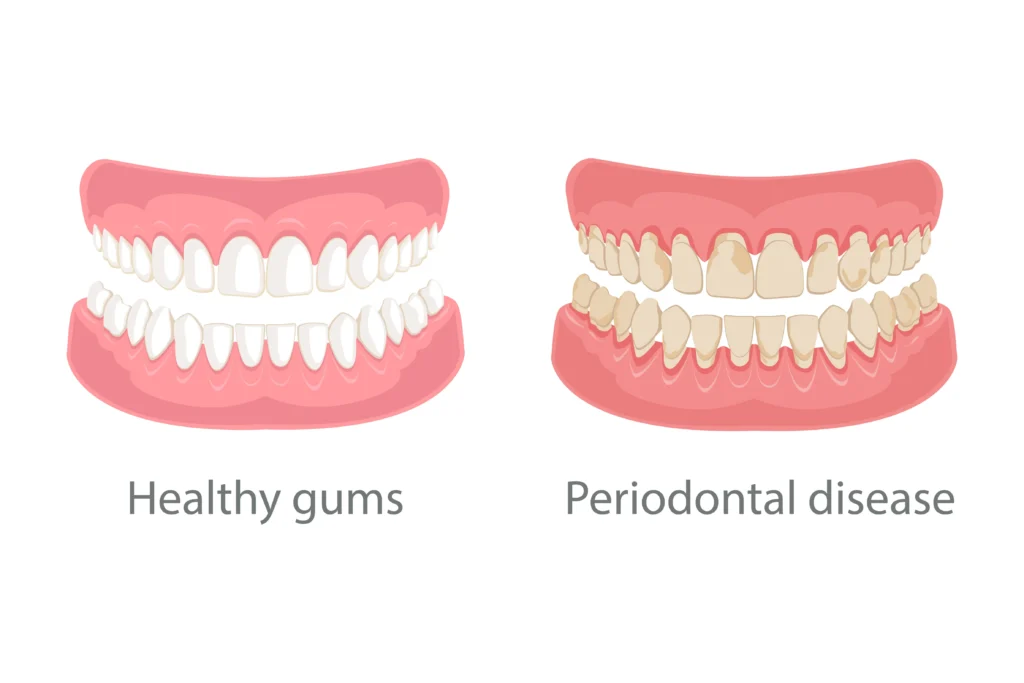
A strong routine can make a real difference, but some gum problems need professional evaluation and cleaning. That’s especially true when:
- The person can’t keep up with daily care reliably
- Gum inflammation keeps returning
- There are ongoing medical or mobility barriers
Dental Home Services provides mobile dentistry across New Jersey and parts of New York. Families can learn what may be included through the services page. If you want reassurance from other households, the reviews page can help you understand what in-home visits feel like in practice.
For more caregiver-friendly guidance, the blog includes related resources designed for real home routines.
If it’s easier to speak directly, call 1-800-842-4663.
How to Improve Gum Health Quickly: The One-Week Reset
If you want a simple restart, here’s a one-week plan that’s realistic:
- Brush twice daily with the gumline-focused method
- Clean between teeth once daily, gently
- Rinse with warm water after meals
- Choose softer foods if gums are tender
- Track one “problem spot” and see if it improves
If it improves, keep going. If it doesn’t, it’s time to get eyes on it. That’s how to improve gum health quickly without guessing.
Frequently Asked Questions About How to Improve Gum Health Quickly
How Can Someone Improve Gum Health Fast Without Buying New Products?
To improve gum health fast, focus on gentle gumline brushing twice daily and consistent cleaning between teeth once daily.
How to Get Healthy Gums Again if They Bleed When Flossing?
How to get healthy gums again usually starts with gentle daily flossing and brushing. Bleeding can improve as inflammation decreases.
How to Reduce Gum Inflammation Quickly at Home?
How to reduce gum inflammation quickly often comes down to consistent plaque removal at the gumline, warm rinses after meals, and avoiding harsh scrubbing.
How to Stop Gums From Bleeding Fast if It Keeps Happening?
How to stop gums from bleeding fast depends on reducing inflammation. If bleeding is heavy or persists beyond two weeks of consistent care, it’s time for a dental evaluation.
What Are Gum Disease Early Signs That Mean It’s Time to Act?
Gum disease early signs include red, swollen, or bleeding gums, tenderness, and recurring swelling in the same area. The CDC notes gingivitis is the mildest form and can be reversible with hygiene and professional treatment. (CDC)
When to See a Dentist for Gum Problems if Someone Is Homebound?
When to see a dentist for gum problems is sooner when swelling spreads, pain worsens, eating drops, or daily care is difficult. Home-based dental support can help when travel isn’t realistic.
Who Can Help With In-Home Dental Care in NJ and Parts of NY?
Families can contact Dental Home Services about mobile dental care across New Jersey and parts of New York.
Important Disclaimer
This article is for educational purposes only and does not provide medical or dental advice. For diagnosis and treatment planning, consult a licensed dental professional. If there is severe pain, facial swelling, fever, uncontrolled bleeding, trouble swallowing, or any urgent concern, seek emergency medical care right away.