
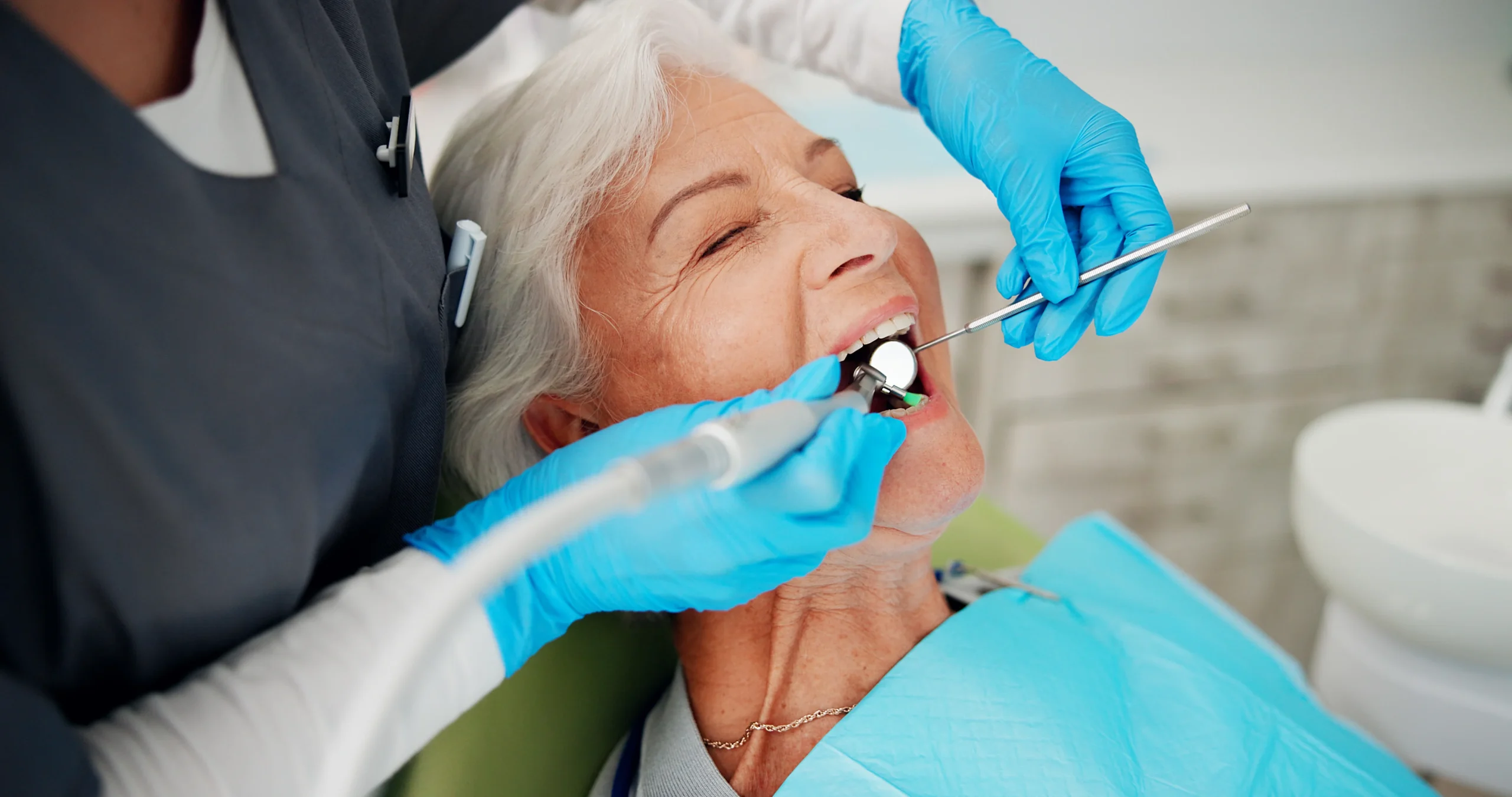
The elderly mobility scale (EMS) is a standardized clinical tool that measures functional mobility in frail older adults. Understanding it matters for anyone delivering or arranging care at home, including dental care — because mobility directly shapes what services a patient can safely access and how much support they need. Recognising that context is part of senior care importance for providers and families alike.
What Is the Elderly Mobility Scale?

The elderly mobility scale is a standardised validated scale for assessment of mobility in frail older adults, developed by Dr. Rosalie Smith in 1994. It is not a general fitness measure — it is a focused mobility assessment scale designed specifically for hospitalized elderly people and those in residential or home care settings. The EMS evaluates a patient’s ability to perform the physical movements that underpin everyday independence, from rolling in bed to walking across a room.
The clinical need is substantial. According to PubMed Central, 41.7% of U.S. adults aged 65 and over reported having a disability, and over half of that cohort also noted mobility limitations. According to the U.S. Census Bureau, services for the elderly generated $57.4 billion in revenue in 2020 — underscoring the growing demand for structured mobility assessment frameworks.
The 7 Dimensions of the EMS: What Gets Assessed and How Scoring Works
The EMS evaluates seven dimensions of functional performance, each scored individually. Think of it like a road-worthiness check for a car — each component is tested so any specific weakness can be identified and addressed.
| EMS Component | What Is Assessed | Max Points |
| 1. Lying to sitting | Can the patient raise themselves from lying flat? | 3 |
| 2. Sitting to lying | Can they lower back down in a controlled way? | 3 |
| 3. Sit to stand | Can they rise from a chair safely? | 3 |
| 4. Standing | Can they maintain an upright standing position? | 3 |
| 5. Gait | How steady and controlled is their walking? | 3 |
| 6. Timed walk (6 meters) | How long does it take to walk 6 meters? | 3 |
| 7. Functional reach | How far can they reach forward without losing balance? | 2 |
The maximum Elderly Mobility Scale score is 20 points. Higher scores indicate better mobility and greater independence. Clinicians interpret results across three bands:
- 14–20: Independent — safe for most activities of daily living including dressing, toileting, and walking to meals
- 10–13: Borderline — supervision or partial assistance is advisable
- Below 10: Dependent — hands-on care is required for transfers and daily tasks
Why Mobility Changes Dental Care Decisions

An Elderly Mobility Scale score does not just describe how well someone moves. It can also change what kind of dental care is realistic and safe. A patient in the independent range may still be able to travel to appointments with minimal help. A patient in the borderline range may need supervision for walking, transfers, or sitting upright long enough to complete treatment comfortably. A dependent patient may struggle with nearly every step that a traditional dental visit assumes is simple, from getting into a vehicle to transferring into a dental chair or tolerating a long appointment away from home. In those situations, the question is not only what dental treatment is needed. It is whether the patient can access that treatment safely in the first place. That is where Dental Home Services’ mobile dental services can become a practical option for homebound patients and older adults with more complex care needs.
How Is Mobility Assessed in Elderly Patients Using the EMS?
The EMS is administered by physiotherapists, occupational therapists, or trained nurses — and in some cases, trained home care practitioners. Equipment is minimal:
- a standard chair
- a measured 6-meter walking path
- a stopwatch
Testing follows a sequential protocol, moving from the least demanding task (lying to sitting) through to the most demanding (functional reach and timed walk). For families coordinating this process, understanding the score’s implications is part of caring for elderly parents effectively.
The fall risk connection is direct. Research suggests that patients scoring below 14 on the elderly mobility assessment show significantly higher fall rates within four to six months, and the functional reach component demonstrates particular sensitivity for fall prediction. For families navigating discharge planning, understanding this threshold can meaningfully inform the level of home support arranged.
Questions Families Should Ask After an EMS Score Is Given
Once an EMS score is documented, families can use it as a planning tool instead of treating it like a number that belongs only in a chart.
- Can your loved one get to appointments safely, or will transportation create more strain than the visit itself?
- Do they need help with transfers, walking, or repositioning before and after care?
- Has brushing, flossing, or denture care become harder because of weakness, fatigue, pain, or balance problems?
- Would home-based care reduce confusion, distress, or the risk of a fall?
These questions matter because mobility does not just shape discharge planning or home support. It also shapes whether important healthcare, including dental care, is likely to happen consistently or keep being delayed.
What the EMS Means for Real Patients: A Practical Example
Understanding a loved one’s elderly mobility scale score can feel overwhelming — but it is designed to guide, not alarm.
Consider Margaret, 81, admitted after a minor fall at home. Her physiotherapist administers the EMS and she scores 12 — placing her in the borderline range. Her functional reach is low, and her timed walk takes over 15 seconds. Her care team recommends supervised transfers, a walking frame, and a home physiotherapy referral before discharge rather than an immediate unsupported return home. A score of 12 gives families and clinicians a shared, concrete language for care planning. For patients where mobility decline accompanies cognitive deterioration, physical challenges can compound quickly — understanding muscle loss in dementia can help families anticipate related challenges.
How Poor Mobility Can Quietly Affect Oral Health
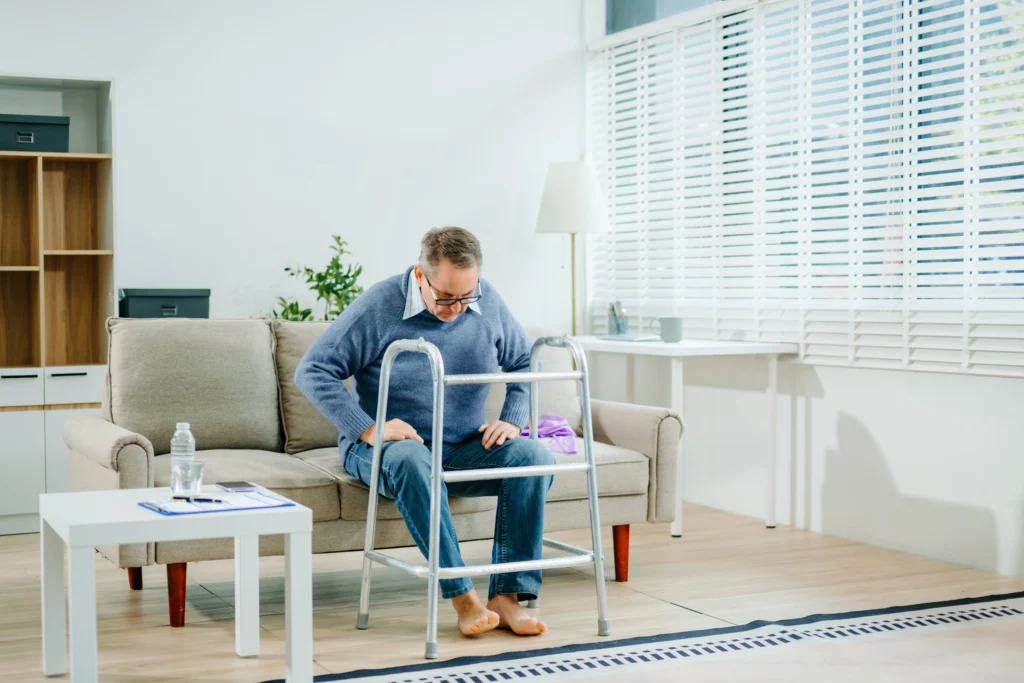
Reduced mobility can affect oral health in quiet ways long before anyone connects the dots. Routine dental appointments may be missed because leaving home feels too difficult. Brushing may become less effective because standing at a sink is tiring, hand strength is lower, or balance no longer feels steady. A patient may begin relying more heavily on a spouse, adult child, or caregiver for daily mouth care, which can make small problems easier to overlook if routines are rushed. Pain may also go unreported for longer because the effort of arranging care feels overwhelming. Over time, that can mean more plaque buildup, more gum inflammation, and more delay before treatment begins. Mobility changes do not stay neatly contained in one part of life. They can quietly reshape oral health, comfort, and access to care at the same time.
Now You Understand the Elderly Mobility Scale
The Elderly Mobility Scale gives clinicians and families a structured, evidence-based way to understand how safely an older adult can move and what level of support they genuinely need. For homebound patients, that score shapes everything from discharge planning to which healthcare services can realistically reach them. If your loved one has limited mobility and needs healthcare that comes to them — including dental care — explore our mobile dental services designed for homebound and care-facility patients.
Disclaimer
This article is for informational purposes only and is not medical, dental, physiotherapy, occupational therapy, or caregiving advice. The Elderly Mobility Scale is a clinical assessment tool that should be administered and interpreted by a qualified healthcare professional. A mobility score can help inform care planning, but it does not replace an individual assessment of safety, support needs, or treatment suitability. If an older adult has sudden mobility decline, repeated falls, worsening confusion, oral pain, swelling, or difficulty accessing essential care, seek prompt professional guidance.