

Why Your Mouth Stays Numb After Dental Work
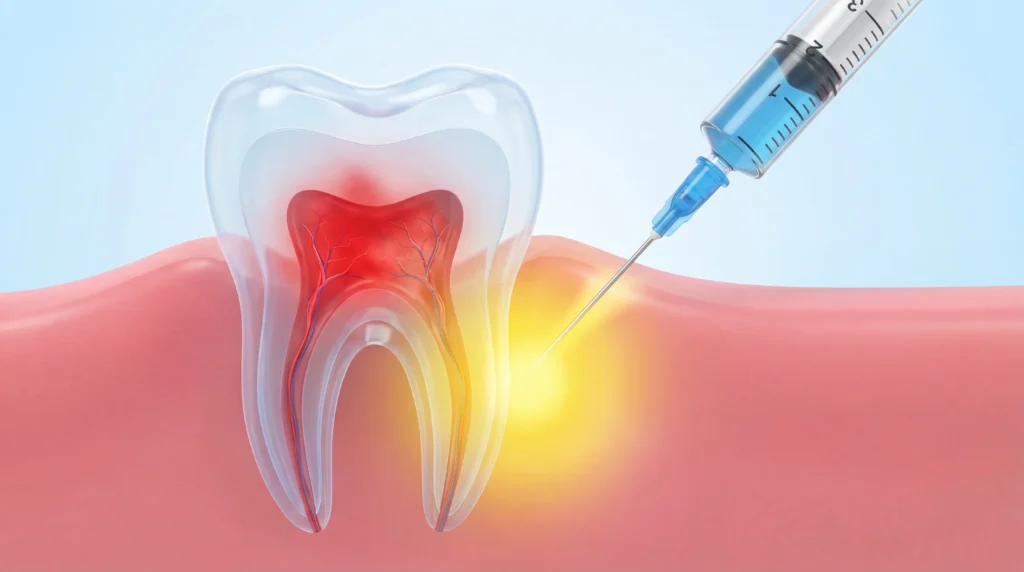
How long does dental numbness typically last? For most patients, the answer is 1–5 hours, depending on the anesthetic used, injection site, dose, and individual metabolism. Local anesthetics like Novocaine block nerve signals in the treated area, and that block doesn’t switch off the moment you leave the chair.
If numbness after dental work lasts longer than expected or follow-up care feels hard to arrange, contact Dental Home Services to ask about in-home dental support.
Need help now? Call 1-800-842-4663 to speak with Dental Home Services about mobile care in New Jersey and parts of New York.
What You’ll Need Before You Try to Speed Up Recovery
Before you try to reduce numbness after the dentist, gather a few simple things:
- Warm damp cloth or compress
- Glass of warm (not hot) water or caffeine-free herbal tea
- Open space to walk around gently
- Knowledge of which area of your mouth was treated
Safety note: Do not eat solid food or drink hot liquids while numb.
If you notice irritation after your procedure, be aware that gum swelling between teeth is a separate issue that may need its own attention.
5 Steps to Make Dentist Numbing Go Away Faster

Step 1: Gently Massage the Numb Area
Using two fingers, apply small circular motions to the outside of your cheek or jaw over the numb spot. This stimulates local blood flow and encourages the anesthetic to disperse more quickly through your tissue.
Step 2: Apply a Warm Compress
Hold a warm, damp cloth against the outside of your face for 10–15 minutes. Heat dilates blood vessels, which helps your body metabolize the anesthetic faster. Don’t apply heat directly inside your mouth.
Step 3: Take a Short, Gentle Walk
Light movement is one of the most effective tips for unfreezing your mouth after the dentist. A 10-minute walk is enough — skip vigorous exercise.
Step 4: Sip Warm Water or Herbal Tea
Small sips of warm (not hot) liquid encourage circulation in the mouth and jaw area.
Step 5: Practice Slow Facial Movements
Gentle jaw movements — like slightly opening and closing your mouth, or soft facial expressions — re-engage the muscles around the numb area.
Frequently Asked Questions

Can I eat or drink while my mouth is numb? Avoid solid foods entirely — you can bite your cheek or tongue without feeling it. Small sips of warm, non-caffeinated liquids are generally safe.
How long does dental numbness last? For most patients, how long dental numbness lasts falls between 1–3 hours. Some cases extend to 5 hours based on anesthetic type, injection site, and individual factors. That range is entirely normal.
How do I make Novocaine wear off faster? To make Novocaine wear off faster, work through the five steps above: gently massage the numb area, apply a warm compress, take a short walk, sip warm water or herbal tea, and practice slow facial movements. Together, these methods improve circulation and help your body clear the anesthetic more quickly.
Most cases of dental numbness resolve well within a few hours, and the steps above can meaningfully speed that process. If numbness lingers far longer than expected, don’t wait — contact your dental provider.
Disclaimer
This article is for informational purposes only and is not medical or dental advice. Mild numbness after dental work is common, but persistent numbness, worsening tingling, severe pain, spreading swelling, fever, or other unusual symptoms should be discussed with a licensed dental or medical professional. Do not eat solid foods or drink very hot liquids while your mouth is numb, as you may injure your cheek, lips, or tongue without realizing it.