
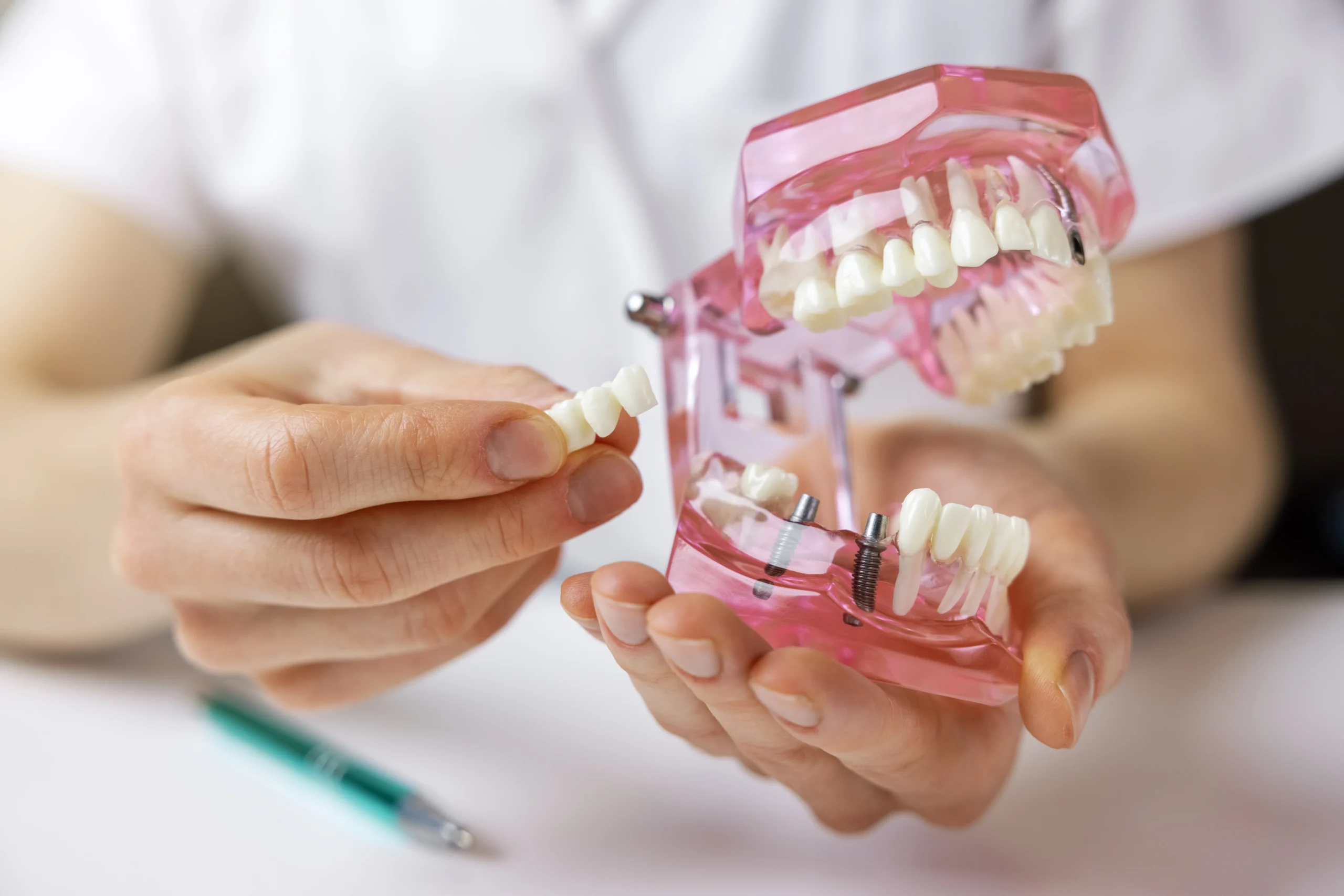
The first few days after an implant can feel oddly delicate. Everything looks normal from the outside, but chewing, brushing, and even sleeping can feel like they have new rules. If you’re looking for how to heal faster after dental implants, the real goal is steady healing, not speed at any cost. That means reducing swelling, protecting the site, keeping the mouth clean, and knowing which changes deserve a call.
For seniors, homebound patients, or families supporting someone with dementia, recovery can be harder simply because routines are harder. Dental Home Services supports patients across New Jersey and parts of New York with mobile dental care. If getting to an office is a barrier, you can request an in-home visit so a clinician can check comfort, hygiene, and healing progress in a familiar setting.
If you want a clear picture of what home visits can include, the services page lays out how in-home care works for seniors and medically complex patients.
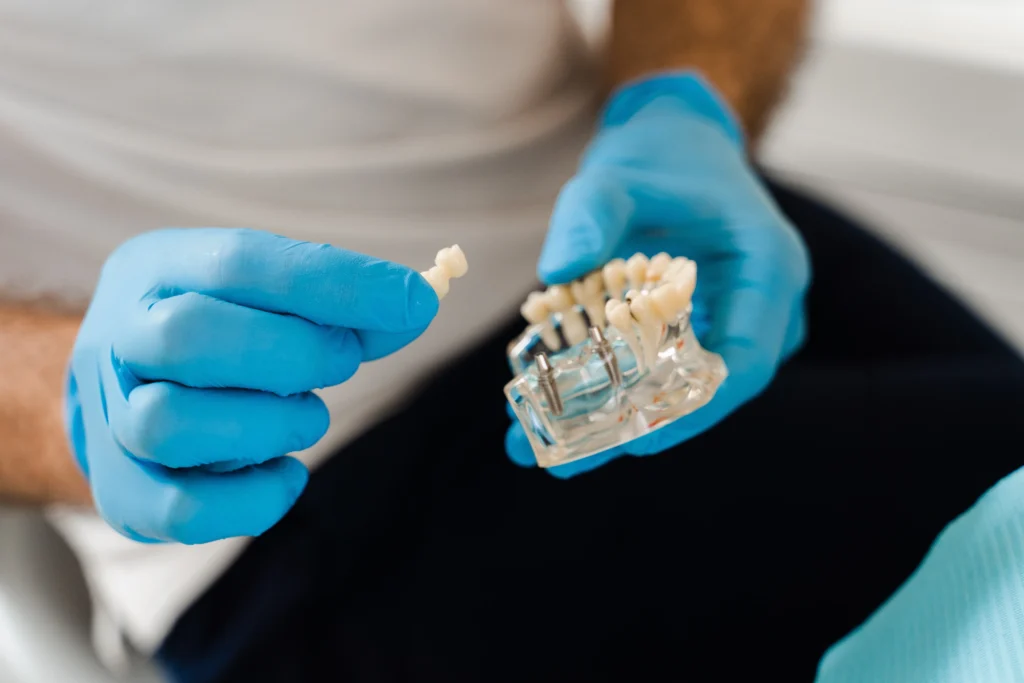
One of the most important dental implants recovery tips is surprisingly simple: protect the implant from extra force while the bone is doing its job. A Scientific Reports article, by Soroush Irandoust & Sinan Müftü, showcased a study on implant healing and remodeling. They describe how the mechanical environment and micromotion influence whether tissue near an implant trends toward bone or more soft tissue in the healing region. After this point, the article will refer to that source as Scientific Reports.
Heal Faster After Dental Implants by Respecting the Healing Timeline
A lot of frustration during the dental implants recovery process comes from expecting a straight line. Healing is usually a series of small “better” days with a few surprising setbacks. Swelling drops, then you chew wrong once and feel tender again. That doesn’t automatically mean something is wrong.
Instead of watching the calendar only, watch for these “good recovery” signals:
- swelling steadily easing
- less tenderness when you talk or swallow
- easier brushing near the site
- appetite slowly returning
- sleep getting more stable
If you’re caring for an older adult and you want a broader view of what good senior-focused oral care looks like, the guide on geriatric dentistry explains why older adults often need a slower pace, clearer communication, and careful coordination around medical conditions.
Dental Implants Surgery Recovery: The First 72 Hours That Set the Tone

If you’re trying to learn how to heal faster after dental implants, the first three days are where you can make recovery easier on the body.
1) Keep the pressure low
Scientific Reports like this one on Nature.com emphasize how mechanical conditions during healing matter. This is why your implant team’s advice about chewing, clenching, and “taking it easy” is not generic. It’s protective.
Practical ways to keep pressure low:
- chew on the opposite side (if instructed)
- avoid crunchy foods and anything that requires tearing
- don’t “test” the area with your tongue or finger
- if you grind at night, ask how to protect the site
2) Keep swelling predictable
Swelling is normal after dental implant healing, but sudden swelling changes are a different story. If swelling rises sharply, becomes one-sided, or comes with fever, it should be evaluated.
3) Keep the mouth clean, but not aggressive
A clean mouth supports healing. Scrubbing the area or using harsh products can irritate it. Gentle, consistent hygiene usually wins.
How to Heal Faster After Dental Implants With Food That Supports Healing
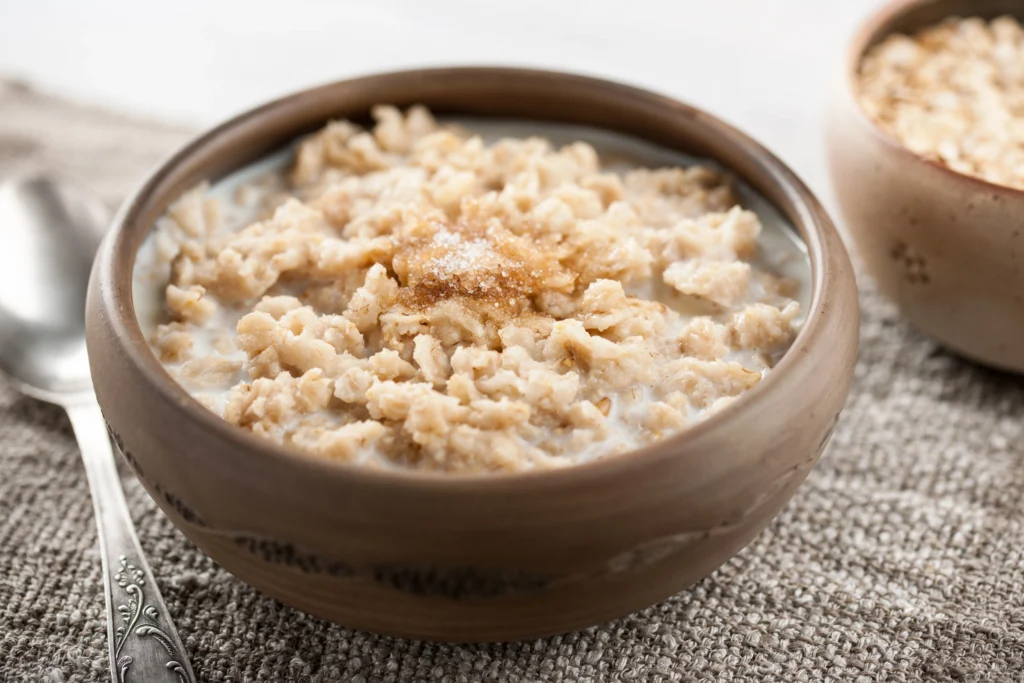
A soft diet isn’t just comfort. It’s a way to protect the site from force while still meeting nutrition needs.
For easy meal planning, the soft food diet guide includes simple options for tender mouths and caregiver-friendly meal ideas.
If you want high protein soft foods, aim for:
- eggs
- Greek yogurt
- cottage cheese
- soft fish
- blended beans or lentils
- smoothies made with yogurt or milk
Protein matters even more for many older adults. (If your care team gave you specific dietary guidance, follow that first.)
Average Recovery Time After Dental Implant Surgery: What “Normal” Often Looks Like
People often ask about the average recovery time after dental implant surgery because they want reassurance. The reality is that recovery varies by the person, implant site, bone quality, and what else happened during the procedure.
A more practical question is: what is the recovery time for dental implants in this specific situation, and what milestones should be expected this week?
A good care plan is milestone-based:
- comfort and swelling trend in the first week
- gentle hygiene stability in week one to two
- safe diet progression without sharp pain
- follow-up checks that confirm the site is behaving normally
If travel makes follow-up difficult, mobile support can help keep care consistent. Dental Home Services can guide next steps through an in-home visit request on the contact page.
Dental Implant Recovery and Maintenance: The Habits That Protect Your Investment
The dental implant recovery and maintenance phase is where people either build stability or keep getting little setbacks.
A strong routine usually includes:
- gentle daily cleaning around the gumline
- consistent brushing habits that don’t inflame tissue
- monitoring for bleeding, swelling, or bad taste
- timely professional checks when something feels “off”
If your gums are tender or bleed easily, the guide on how to improve gum health quickly walks through a gentle daily approach that supports healing without turning oral care into a fight.
Recovery From Dental Implants for Seniors and Homebound Patients
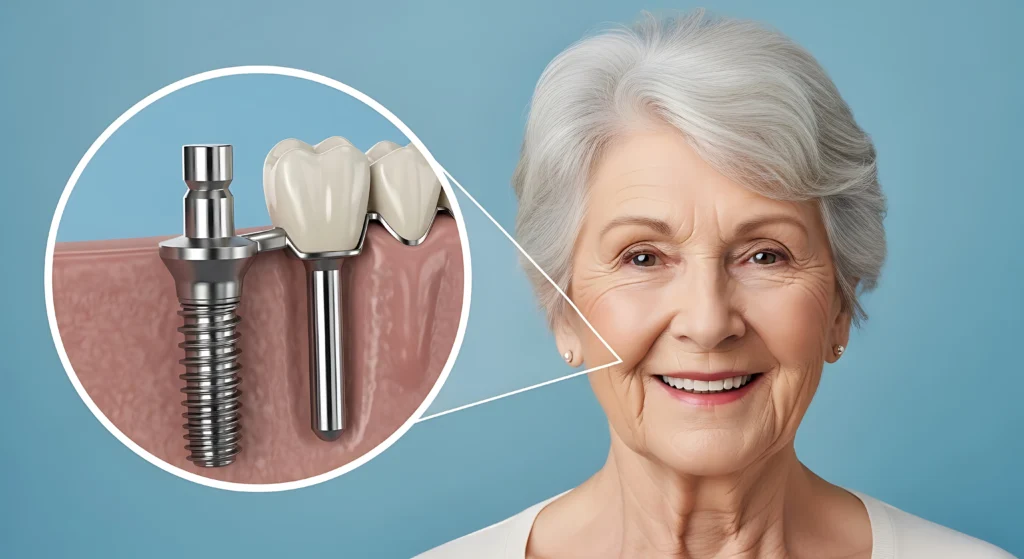
For a senior recovering at home, the issue is often not willpower. It’s logistics and stamina. A mouth that hurts makes eating harder, which makes healing harder. A difficult bathroom trip can reduce hydration. A disrupted sleep pattern can make everything feel worse.
This is where experience with seniors matters. Dental Home Services is built around in-home care, with the kind of pacing and communication that helps older adults and medically complex patients cooperate with care instead of resisting it.
If you want a caregiver-oriented context, how to care for elderly parents has practical guidance that pairs well with implant recovery, especially when the household is trying to keep routines steady.
Dental Implants Recovery Tips When Dementia Is Involved
Dementia can make recovery feel unpredictable. Not because the implant is failing, but because the person may not describe discomfort clearly. “Fake” pain complaints can still be a signal that something hurts, feels unfamiliar, or is causing sensory overload.
If your loved one is living with dementia and recovery is triggering agitation, this resource on dementia and fake pain helps caregivers separate true dental discomfort from mislabeling and anxiety, without turning every complaint into an argument.
A practical dementia-friendly recovery approach:
- keep language simple and consistent
- do oral care at the same time daily
- offer soft foods before you offer explanations
- document patterns (what time, what triggers, what calms)
How to Heal Faster After Dental Implants With a Simple “Red Flag” Checklist
If you want to heal faster after dental implants, you also need to know when “watch and wait” becomes “call today.”
Seek prompt dental advice if:
- swelling increases after it had started to improve
- pain suddenly spikes rather than slowly settling
- there’s a persistent bad taste or drainage
- chewing becomes harder, not easier
- fever or facial swelling appears
For urgent facial swelling decisions, the guide on face swelling from tooth lays out when emergency care is the safest move.
Next Steps: In-Home Support That Keeps Dental Implant Recovery on Track
The best dental implant recovery is usually boring in the best way: predictable meals, predictable hygiene, predictable check-ins. When travel is hard, home care can keep that predictability.
To explore what mobile care can include, start with the services page. If you want to speak to a clinician, request an in-home visit and share the key details: when the procedure was done, current symptoms, and what has changed.
If it helps to read real family experiences, the reviews page can give you a feel for what in-home care is like.
For more caregiver-friendly resources, the blog has related topics that support healing routines.
If you prefer phone support, call 1-800-842-4663.
Frequently Asked Questions About How to Heal Faster After Dental Implants
What are the best dental implants recovery tips for the first week?
The best dental implants recovery tips usually include protecting the site from heavy chewing, keeping foods soft, maintaining gentle hygiene, and monitoring swelling trends.
What is the recovery time for dental implants?
What is the recovery time for dental implants depends on the individual, the implant site, and the procedure details. Your implant team’s timeline matters most, and healing should trend steadily week to week.
What is the average recovery time after dental implant surgery?
The average recovery time after dental implant surgery varies. A more helpful approach is milestone-based: swelling and discomfort should gradually decrease, and eating and brushing should become easier over time.
Why does dental implant recovery sometimes feel worse at night?
Dental implant recovery can feel worse at night due to clenching, dryness, or inflammation awareness when the day quiets down. If grinding is suspected, ask about protection strategies.
What helps tooth implant healing with food?
For tooth implant healing, soft foods that still include protein can support recovery. The key is keeping chewing force low while meeting nutrition needs.
Who can help with recovery from dental implants at home in NJ and parts of NY?
Families can contact Dental Home Services about in-home dental support across New Jersey and parts of New York.
Important Disclaimer
This article is for educational purposes only and does not provide medical or dental advice. Always follow your implant provider’s instructions for medications, diet, activity, and follow-up care. If there is severe pain, fever, facial swelling, uncontrolled bleeding, trouble breathing or swallowing, or any urgent concern, seek emergency medical care right away.