
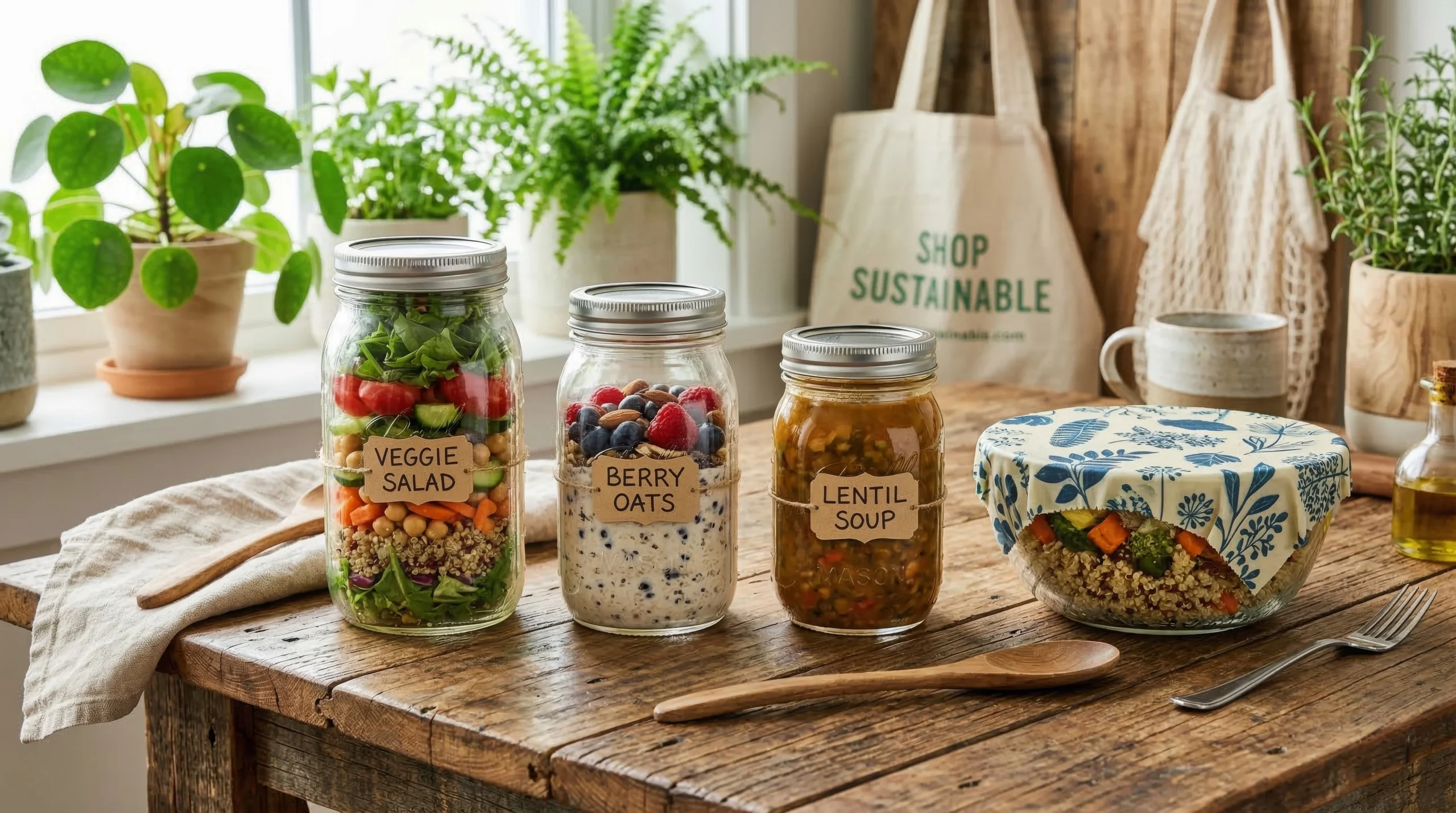
The best soft foods for elderly adults do more than fill a plate. They make eating feel possible again when chewing is difficult, gums are sore, dentures are unstable, or there are no natural teeth left to do the work. For families planning soft foods for elderly with no teeth, the goal is comfort first, but not comfort alone. Meals still need to support energy, protein, hydration, and dignity. That is why a smart menu for soft foods for elderly patients should be easy to chew, easy to portion, and easy to repeat without becoming the same bland bowl every day. Dental Home Services supports seniors and homebound adults with in-home dental care across New Jersey and parts of New York, which matters when eating issues are tied to pain, dentures, or oral health changes.
A strong list of soft foods for elderly families can actually use should also connect to real life. Maybe a parent eats breakfast but skips dinner because chewing takes too much effort. Maybe a bedbound adult does better with soups and smoothies than with meats and breads. Maybe dementia makes mealtimes unpredictable. That is where both food planning and home-based support matter. The services page explains that Dental Home Services brings dental care directly into homes and care settings, and families can get started through the contact page or by calling 1-800-842-4663.
Preparing Soft Foods for Elderly Adults is Essential at Times
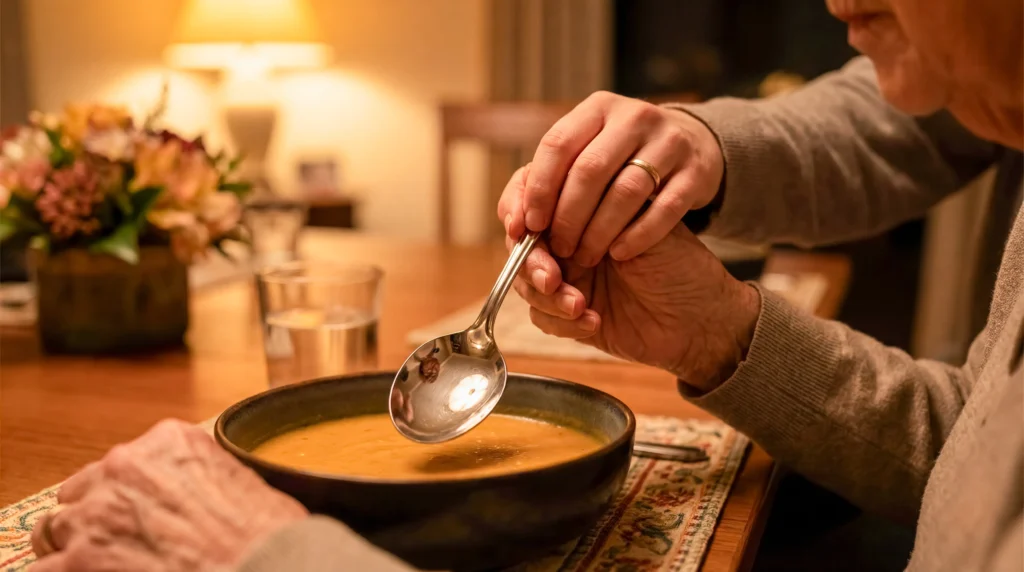
A thoughtful plan for soft foods for elderly adults can make daily care easier, especially when oral comfort has changed. The right meal can reduce effort, lower stress, and help someone keep eating even when their mouth is tender or their chewing strength is lower than it used to be. That is why a strong soft food diet for elderly adults should include options for breakfast, snacks, and more filling meals, not just one or two fallback foods. Families who are building a broader routine may also find value in related guidance such as soft food diet, how to care for elderly parents, how to care for bedridden elderly at home, and why senior care matters.
This matters even more when planning soft foods for elderly with dementia. Dental Home Services’ dementia-related resources note that appetite changes, confusion, and oral discomfort can all shape how a person responds to food. In those situations, the best soft food ideas for elderly loved ones are familiar, simple, and gentle on the mouth. Meals that look recognizable and require very little chewing often work better than anything too dry, too crusty, or too complicated.
What Makes the Best Soft Foods for Elderly Patients?
The best soft foods for elderly adults are usually moist, spoon-friendly, and easy to adjust. A good soft food for elderly meal should not demand a lot of jaw strength. A good soft food for elderly people meal should also be easy to reheat, easy to finish, and easy to pair with the person’s routines. That is why this list focuses on foods that are naturally smooth, mashable, or blendable, rather than recipes that only become soft after lots of modifications.
The same principle applies to soft foods for elderly people who have recently had denture discomfort, gum tenderness, or reduced appetite. The best choices are often softer breakfasts, creamy proteins, mashed vegetables, puréed soups, and cool fruit-based snacks. Put simply, soft foods for the elderly work best when they lower effort without lowering nourishment.
Here’s Top 10 Soft Foods for Elderly Patients Without Teeth
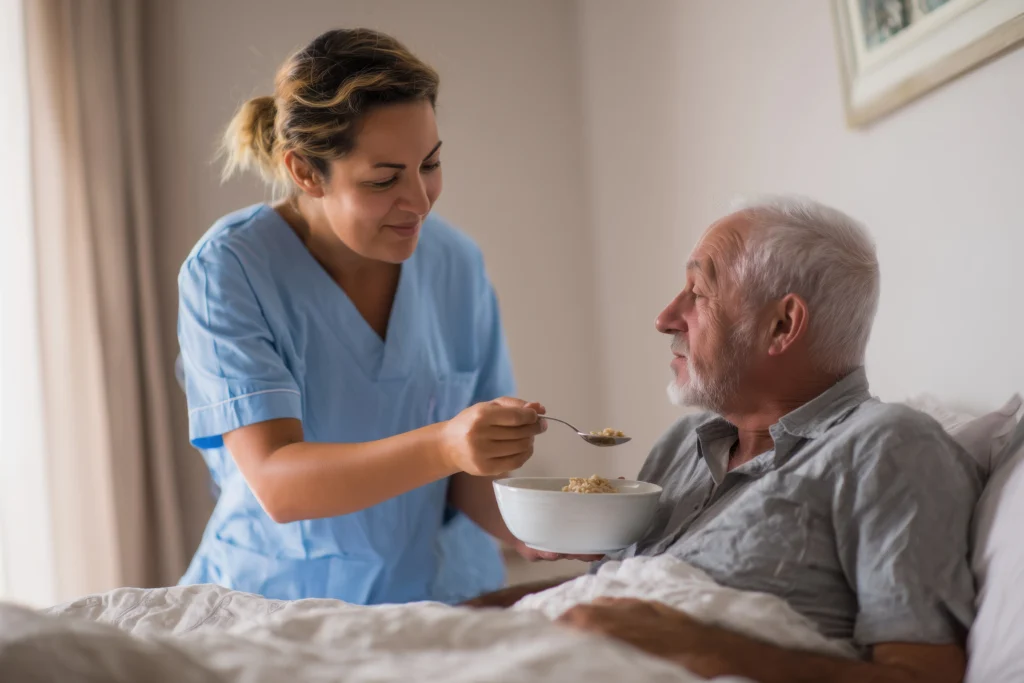
1) Banana Oatmeal
Banana Oatmeal is one of the easiest soft breakfast foods for elderly adults because the oats soften well and the mashed banana adds natural sweetness without much chewing. It is one of the most dependable easy soft foods for elderly patients because it feels like a normal breakfast, not a backup meal. Aftercare tip: serve it warm, not piping hot, and skip crunchy toppings like nuts or granola on days when the mouth feels especially tender.
2) Creamy Cottage Cheese Scrambled Eggs
Creamy Cottage Cheese Scrambled Eggs are a smart choice for high protein soft foods for elderly adults. The cottage cheese helps make the eggs softer and more tender, which also makes this one of the stronger soft protein foods for elderly options on the list. Aftercare tip: cook the eggs gently so they stay moist, and keep portions small if fatigue or soreness makes full plates feel overwhelming.
3) Mixed-Berry Breakfast Smoothie
A Mixed-Berry Breakfast Smoothie is one of the most useful soft nutritious foods for elderly adults because it combines fruit, yogurt, banana, and avocado into a cool, creamy texture. It works especially well on lower-appetite mornings. Aftercare tip: if the mouth is sensitive, serve it chilled rather than icy and blend thoroughly so seeds and fruit skins are less irritating.
4) Healthy Breakfast Smoothie
The Healthy Breakfast Smoothie is another good answer for families asking how to make soft food for elderly loved ones without cooking. Fruit, yogurt, almond butter, and milk make it flexible enough for breakfast or a small lunch. It also fits well into soft food recipes for elderly people because the ingredients are simple and easy to adjust. Aftercare tip: keep the blend smooth and thin enough to sip comfortably, but not so thin that it feels watery or unsatisfying.
5) Quick Applesauce
Quick Applesauce belongs on any list of soft foods for elderly adults because it is easy to eat, lightly sweet, and useful as both a snack and a side. It pairs well with breakfast foods and softer proteins, which makes it one of the more practical soft foods for elderly to eat throughout the day. Aftercare tip: serve it cool or room temperature if gums are sore, and use it between heavier meals when a full plate feels like too much.
6) Easy Mashed Sweet Potatoes
Easy Mashed Sweet Potatoes are one of the better high calorie soft foods for elderly adults because they are naturally soft, mildly sweet, and more substantial than many fruit-based options. They also qualify as nutritious soft foods for elderly adults who need something soft but not flimsy. Aftercare tip: mash them fully and add enough milk or butter to keep the texture smooth instead of stiff or grainy.
7) Basic Mashed Potatoes
Basic Mashed Potatoes remain one of the most familiar soft food for the elderly staples for a reason. They are mild, comforting, and easy to pair with eggs, gravy, or softer proteins. For many families, this is the first soft food for elderly with no teeth that feels like a true meal rather than a snack. Aftercare tip: keep them creamy, not dry, and skip peppery or crispy toppings on days when the mouth is irritated.
8) High-Protein Anti-Inflammatory Veggie Soup
High-Protein Anti-Inflammatory Veggie Soup is one of the more balanced recipes for soft foods for elderly adults because lentils, sweet potatoes, and carrots soften into a spoon-friendly meal with more staying power than broth alone. It is also one of the more practical soft food recipes for the elderly when families want a batch-cooked option. Aftercare tip: cook it until the vegetables are fully tender and blend part of the soup if a smoother texture is needed.
9) Curried Red Lentil Soup
Curried Red Lentil Soup is another strong option because red lentils break down well and create a softer consistency than many bean-based meals. It fits naturally into soft food recipes for elderly households that want something savoury and a little more flavourful without becoming difficult to eat. Aftercare tip: season gently for very sensitive mouths, and blend it longer if the person tolerates silky soups better than textured ones.
10) Strawberry-Banana Protein Smoothie
Strawberry-Banana Protein Smoothie rounds out the list as one of the easiest soft food recipes for elderly people when chewing is tiring or inconsistent. Greek yogurt and nut butter help make it more filling, which is useful for smaller appetites. It is also one of the more practical soft food for elderly people options when breakfast or lunch needs to happen quickly. Aftercare tip: blend very thoroughly and serve in small amounts first if cold foods sometimes trigger mouth sensitivity.
How to Use These Soft Foods for Elderly Adults Day to Day
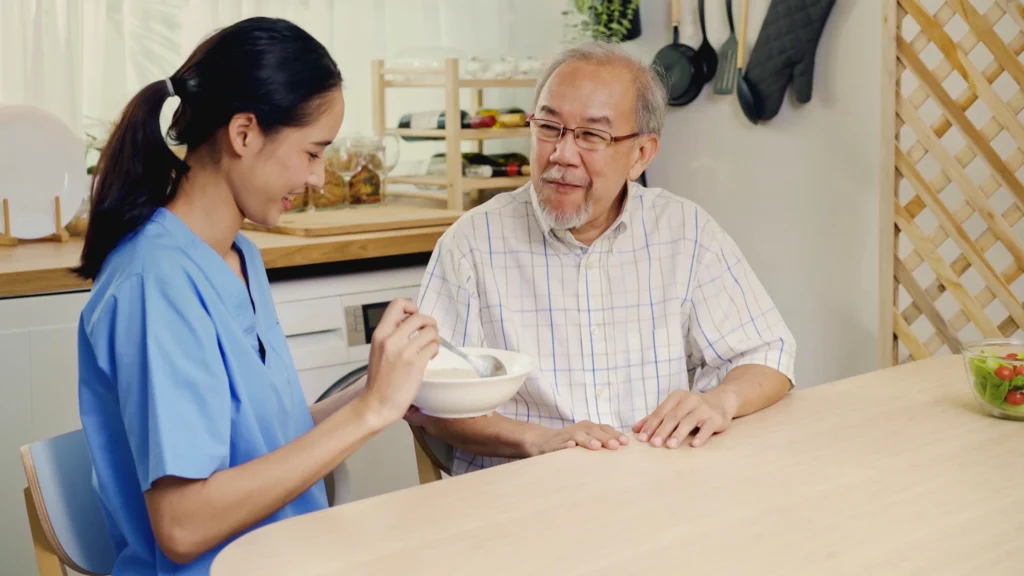
A good soft food diet for elderly adults does not need to be elaborate. It just needs enough variety to keep meals from feeling repetitive. Oatmeal or eggs can cover breakfast. Applesauce and smoothies can cover snacks. Mashed vegetables and soups can cover lunch or supper. That kind of mix gives families a more realistic soft food for elderly with no teeth plan than relying on one or two fallback foods every day.
Dry mouth can also shape what works. Dental Home Services notes in its article on sugar-free gum and dry mouth that chewing sugar-free gum can stimulate saliva and make meals easier, while also helping dentures feel more stable for some seniors. That is useful context for families deciding whether the problem is only texture or whether saliva and oral comfort are part of the story too.
When Soft Foods for Elderly Adults Point to a Bigger Oral Problem
Sometimes a shift toward soft foods for elderly adults is not just about age or preference. It can be a clue that chewing hurts, dentures need attention, dry mouth is worsening, or something in the mouth no longer feels right. That is why food planning and dental support often belong in the same conversation. The article on dentist for seniors reinforces that senior-focused dentistry should account for comfort, trust, mobility, and the realities of care at home.
For families who want to learn more before booking, the blog and reviews can help show how the practice supports older adults and caregivers in real situations. When meal changes are being driven by mouth discomfort, the right next step may be more than another recipe. It may be a dental visit that helps eating feel easier again.
Soft Foods for Elderly Adults Should Feel Gentle, Familiar, and Filling
The best soft foods for elderly adults are the foods they will actually accept. That usually means soft textures, clear flavours, and meals that do not feel like punishment. Some households will lean toward oatmeal and smoothies. Others will do better with mashed vegetables, soups, and eggs. The goal is not culinary perfection. It is calmer meals, steadier nutrition, and less stress for everyone involved.
When food struggles are tied to oral pain, unstable dentures, or homebound care needs, Dental Home Services can help bridge that gap with in-home care across New Jersey and parts of New York. Families who are ready to talk through next steps can reach out directly through the contact page or by phone.
Frequently Asked Questions About Soft Foods for Elderly
What Is a Good Soft Food for Elderly People With No Teeth?
A good soft food for elderly people with no teeth is moist, easy to swallow, and simple to portion. Oatmeal, scrambled eggs, mashed potatoes, mashed sweet potatoes, smoothies, applesauce, and blended soups are all strong starting points.
What Are the Best Soft Foods for Elderly With Dementia?
The best soft foods for elderly with dementia are usually familiar, low-effort, and consistent. Soft eggs, oatmeal, applesauce, mashed vegetables, and simple smoothies often work better than meals with lots of textures or steps.
How Do Families Make a Soft Food for Elderly Loved Ones More Nutritious?
One simple answer to how to make soft food for elderly adults more nourishing is to add protein or calorie support where it fits naturally. That can mean yogurt in smoothies, cottage cheese in eggs, milk in oatmeal, or lentils in soup. Those small upgrades help turn a basic elderly person soft food for elderly menu into something more sustaining.
Who Helps When Soft Foods for the Elderly Are No Longer Enough?
If soft foods for the elderly have become the only foods someone can tolerate because of oral pain, denture problems, or homebound care needs, families can contact Dental Home Services for in-home dental support across New Jersey and parts of New York.
Disclaimer: This article is for informational purposes only and is not medical or dental advice. If an older adult has sudden trouble chewing, ongoing mouth pain, facial swelling, fever, bleeding, or a rapid drop in eating, seek prompt professional care.